
Select Plant Australia says its Delivery Management System has processed more than 51,000 site access events on a single Victorian infrastructure project, where contractors and suppliers must book a delivery slot against live site capacity before a truck rolls up to the gate. The same project ties together road, bridge and tram works, and the company is running AI camera systems and automatic number plate recognition over the top of the booking platform to identify and authorise vehicles at entry points.
The account comes from an article published by Infrastructure Magazine, built around an interview with Select Plant Australia logistics lead Daniel Kelly. It’s the company describing its own system, so treat the claims accordingly. No cost, headcount or time-saving figures were published alongside the 51,000 number.
Still, if you cart materials onto big civil jobs in Melbourne or Sydney, this is the machinery deciding what time you’re allowed to arrive.
The delivery slot is the new gate pass
Kelly’s argument is that logistics on the big jobs has outgrown the clipboard.
“Logistics on major infrastructure projects is becoming increasingly complex,” he says. “Multiple contractors, constrained sites and tightly sequenced schedules create an environment where small issues can quickly escalate into congestion, delays and safety risks.”
Under the booking model, contractors and suppliers reserve delivery windows tied to what the site can actually absorb at that hour, rather than turning up and joining the queue. Cranes and laydown areas get coordinated the same way.
“The main advantage is visibility,” Kelly says. “With a clear picture of activity on site, project teams can respond quickly to changes and maintain momentum.”
Anyone who has sat in a ute outside a CBD site for 90 minutes waiting on a crane that was never booked will recognise the problem being solved. The flip side is that the slot becomes a hard commitment. Miss your window on a tightly sequenced job and the next one may not be until tomorrow, because someone else’s steel is already booked into it.
Cameras watching the shared zones
The part with the most consequence for people on the tools isn’t the booking screen, it’s what the cameras are pointed at.
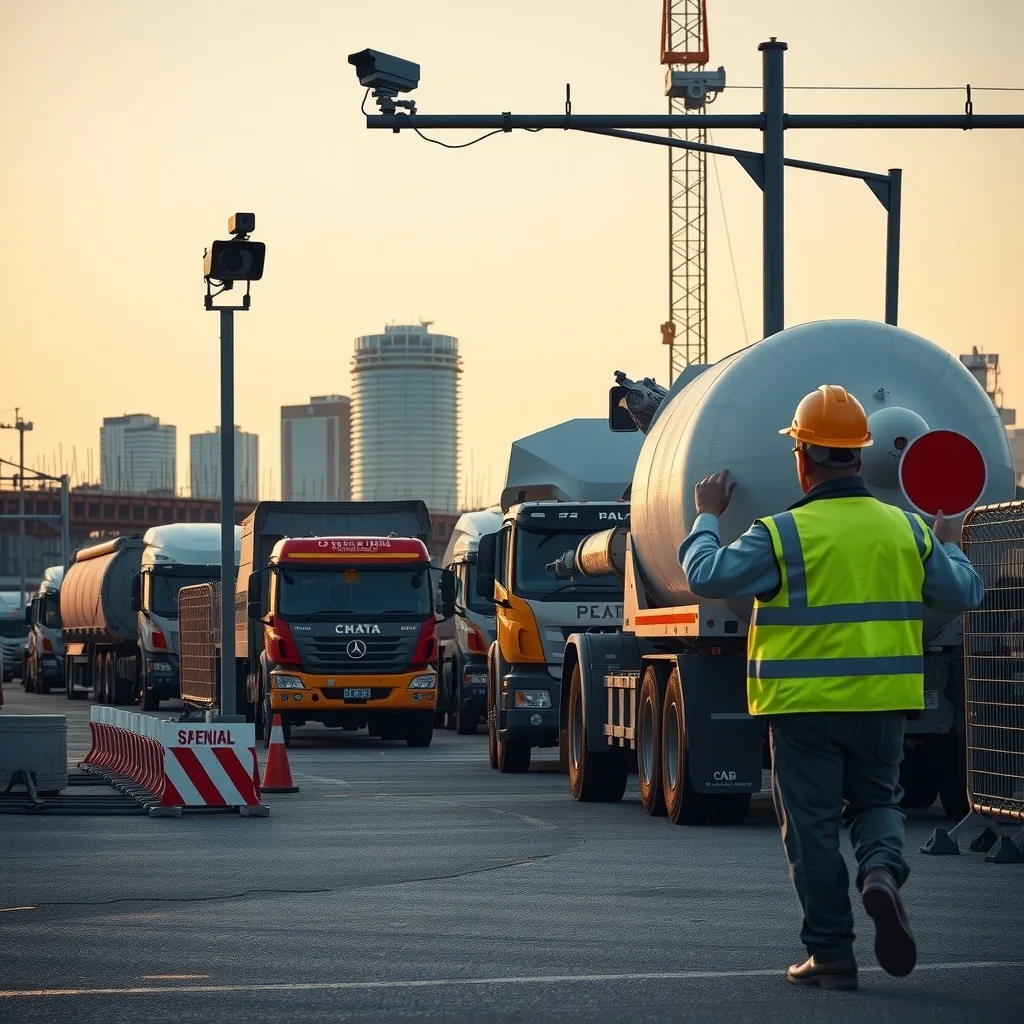
“Through AI-enabled camera systems and automatic number plate recognition (ANPR), vehicles can be identified and authorised automatically, improving efficiency at entry points while maintaining strong oversight,” Kelly says.
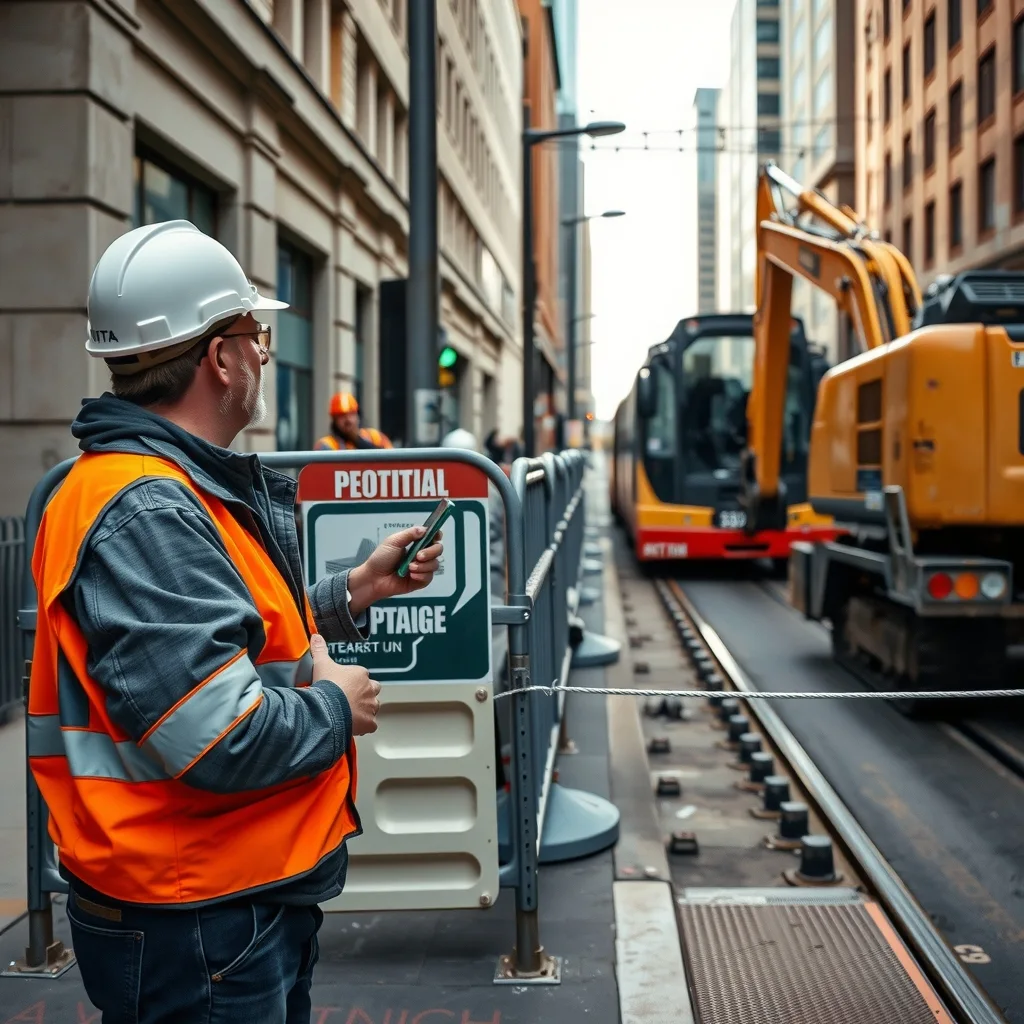
Beyond the gate, the systems are being used to watch movement inside shared zones where plant, vehicles and workers are operating close together. On a job threading around live tram infrastructure, that’s most of the site.
“From a safety perspective, the key benefit is hazard detection,” Kelly says. “The technology can identify pedestrians and cyclists in shared areas and generate alerts to support timely intervention by site personnel when risks are detected.”
To his credit, Kelly doesn’t oversell it. “This contributes to a safer working environment while reducing reliance on manual monitoring. Like any technology, AI systems require ongoing monitoring, validation and human oversight to ensure outputs remain accurate and appropriate for project conditions,” he says.
Keeping people and plant apart in a shared zone remains one of the oldest problems in civil construction, and the regulators, including Safe Work Australia and the state WorkSafe bodies, still expect controls that don’t depend on a camera being right.
Your plant paperwork, read by a machine
The other trial worth watching is at the front end, before anyone gets on site at all. Contractor onboarding, compliance checks and plant verification chew through days of manual review, and Select is testing AI on that pile.
“Select is actively exploring how AI can support and streamline onboarding activities across major projects,” Kelly says. “This includes using AI-enabled processes to assess plant pre-mobilisation forms and photographic evidence to determine whether minimum project standards and compliance requirements have been met during contractor onboarding.”
In practice that means the photos you upload of your EWP, your telehandler or your tipper get scanned for missing or non-conforming detail before a human ever opens the file. Select says all compliance and access decisions are still verified by authorised personnel.
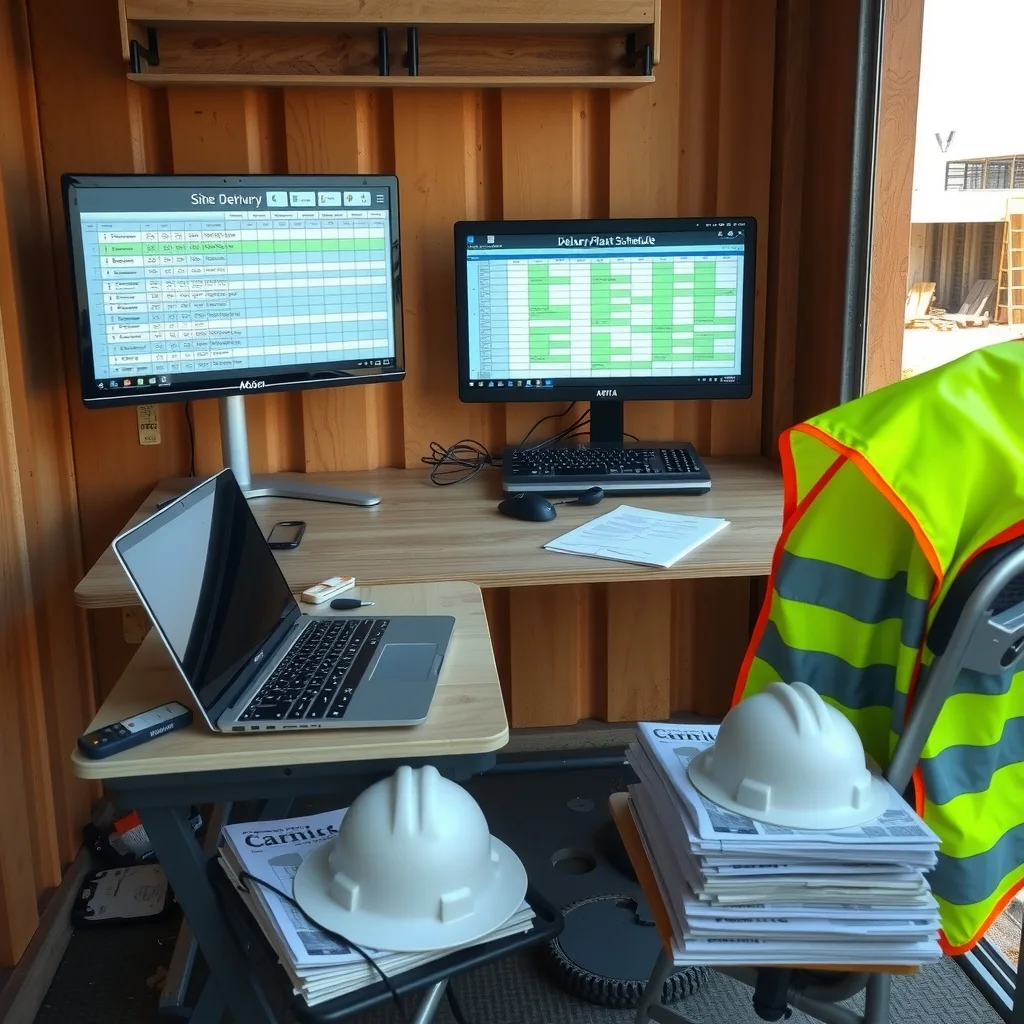
“The objective is to reduce administrative processing time and provide faster identification of non-conformances or missing information,” Kelly says.
For a small plant hire outfit, that cuts both ways. Clean, complete, well-photographed pre-mob packs should clear faster. A dodgy scan of a five-year-old inspection sticker gets bounced sooner too, and it gets bounced before you’ve loaded the float.
The bit the vendor got right
Kelly is careful to put a fence around what the technology does.
“It is a powerful tool, but it is not used in isolation,” he says. “Automation helps reduce manual handling and minimise potential for human error, while operating within defined parameters and safety protocols. If something sits outside those parameters, it is identified and reviewed.”
His closing advice is the least salesy line in the whole piece, and the one worth pinning up in the site office.
“Technology is most effective when combined with experienced logistics professionals who understand the realities of live construction environments. You can’t just rely on technology, you still need the skillset to be able to interpret the data to drive improved outcomes. This requires education, investment and a culture shift,” Kelly says.
“Technology is most effective when combined with experienced logistics professionals who understand the realities of live construction environments. You can’t just rely on technology, you still need the skillset to be able to interpret the data to drive improved outcomes. This requires education, investment and a culture shift.”
Watch for this filtering down from the tier ones. Booking portals, plate recognition at the gate and digital pre-mob packs started on the transport megaprojects, and they tend to end up written into subcontract conditions on much smaller jobs a few years later. If you’re quoting civil work in Victoria or NSW over the next couple of years, budget the admin time for getting your plant and your people into someone else’s system before you price the first day on site. More on the company’s system is at selectplant.com.au.
Frequently asked questions
What is Select Plant Australia’s Delivery Management System?
It’s a booking platform that requires contractors and suppliers to reserve delivery windows against live site capacity, rather than turning up and joining a queue, on a Victorian project combining road, bridge and tram works.
Does AI replace manual safety checks on the project?
No. Select Plant Australia says compliance and access decisions are still verified by authorised personnel, and that AI systems require ongoing monitoring, validation and human oversight.
How many access events has the system recorded?
More than 51,000 site access events on the single Victorian infrastructure project, according to Select Plant Australia. No cost, headcount or time-saving figures were published alongside that number.
Sourced from Infrastructure Magazine. Original article.