
Engineering firms Arup Australia Projects and WSP Australia have been appointed to plan a package of freight rail upgrades in Perth’s south, with the Federal and State governments committing $67 million to the planning and development work.
The package covers a new rail connection to the future Westport container terminal at Kwinana, an eight-kilometre track duplication between Kwinana and Cockburn, and a bridge to replace the North Lake Road level crossing at South Lake.
The appointment was reported by Roads & Infrastructure, which said the two firms will form an integrated project team with Main Roads WA and the Public Transport Authority.
Three jobs on the drawing board
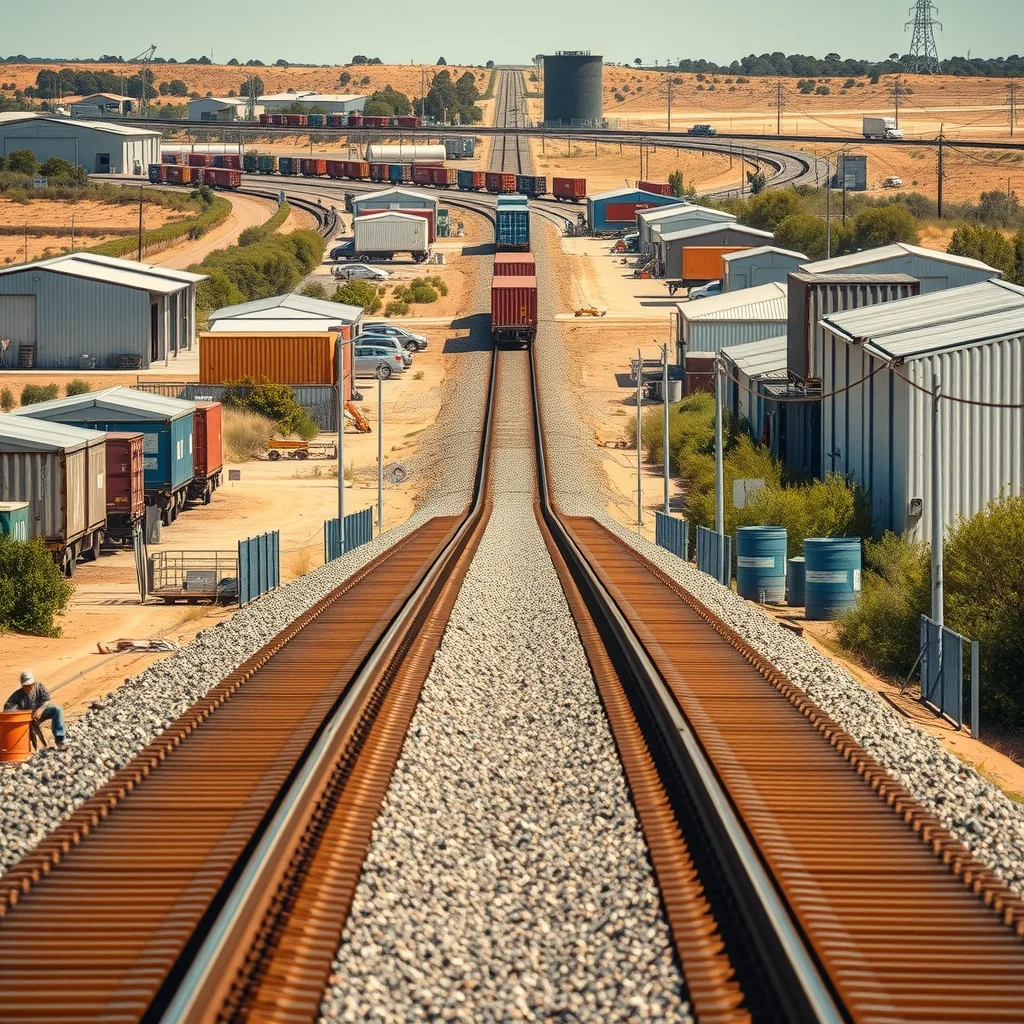
The first is a new freight rail connection linking the future Westport terminal to the existing network east of Rockingham Road.
The second is duplication of roughly eight kilometres of the Kwinana to Cockburn freight line near Beeliar Drive, which includes removing the existing rail level crossings on that stretch, plus duplication of a short single-track section at Kewdale.
Third is the North Lake Road grade separation, swapping the existing level crossing at South Lake for a bridge.
All of it feeds the same objective: shifting container operations out of Fremantle and into Kwinana, with rail carrying more of the boxes.
“Upgrading freight rail infrastructure is a long-term solution to meeting Western Australia’s future freight demand while supporting safer and less congested roads,” said Catherine King, Federal Minister for Infrastructure, Transport, Regional Development and Local Government.
“Encouraging more containers off our roads and onto rail is key to making the entire container supply chain safer and more efficient.”
The $67 million buys drawings, not concrete
Read the scope closely, because it matters for anyone pricing a year ahead. The money covers a project reference design, geotechnical and environmental site investigations, and regulatory approvals, and the source says the point of all that is to “enable construction to proceed, once funding is allocated”.
That last bit is the whole story for order books. Construction money hasn’t been committed. What’s been committed is the work that makes construction fundable.
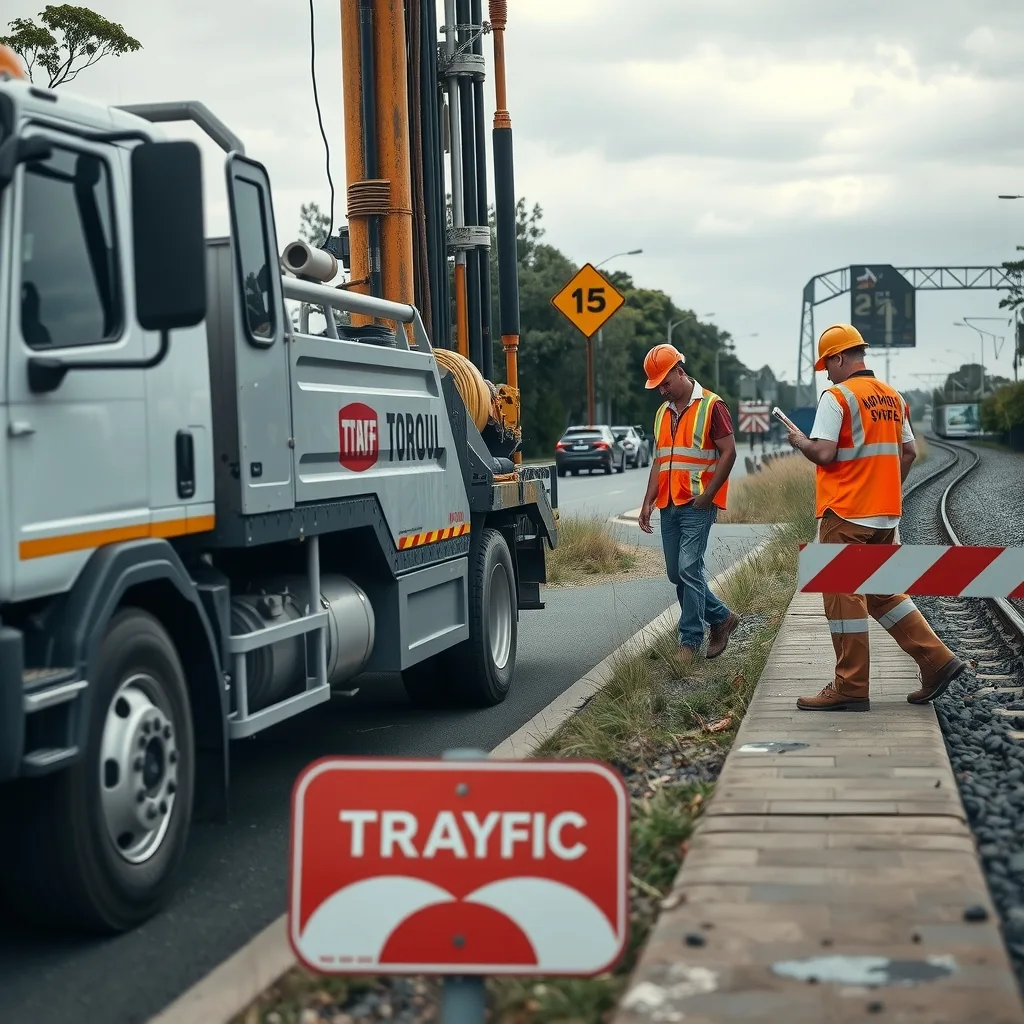
So the near-term activity on these corridors isn’t cranes and formwork. It’s survey crews, drill rigs putting down boreholes along the alignment, environmental and contamination sampling, and traffic management around all of it while trains keep running. That work goes to specialist geotech and survey outfits and the traffic control crews who support them, not to civil gangs.
Community consultation starts later this year to shape the design.
Why level crossings are the expensive part
A grade separation like North Lake Road is not a rail job with some roadworks attached. It’s a road job, a rail job and a services job stacked on the same footprint.
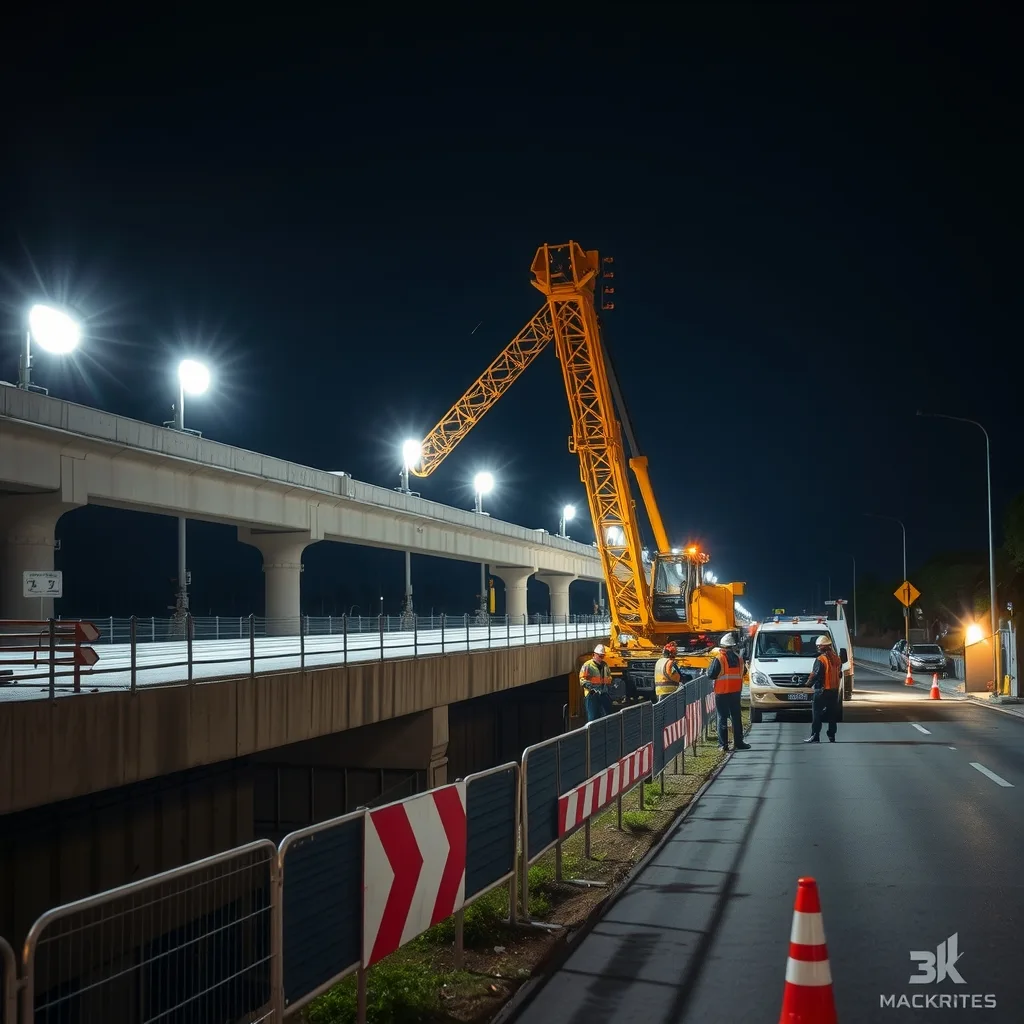
Before a pile goes in, someone has to find and shift what’s already under the road: water, sewer, power, comms. Then the substructure, the bridge deck, the approach embankments and the road realignment either side, most of it staged around live traffic and live rail. Rail work itself gets squeezed into possessions, which is why so much of the labour on these jobs happens overnight and on weekends.
Duplicating eight kilometres of track alongside an operating freight line runs on the same logic. Earthworks, drainage, formation and track laying can move along in daylight, but every tie-in to the existing line waits for a window when nothing’s running.
For WA trades used to housing and resources work, that’s a different rhythm. Night shifts, shutdown windows, rail safeworking tickets and inductions that don’t transfer from a residential site.
What to watch
Two markers tell you whether this becomes real work. The first is community consultation later this year, which is when the alignments and the bridge form start firming up. The second is a construction funding announcement from either government, because until that lands there’s no tender to chase.
Until then, the jobs on offer are the ones that come before the job: boreholes, survey pegs, environmental sampling and the approvals paperwork behind them. Anyone eyeing the civils package should be using the design and approvals period to sort rail inductions and prequalification, because when these packages go to market they’ll go with a program already written around track possessions.
Frequently asked questions
Has construction funding for the Westport rail upgrades been committed?
No. The $67 million covers a project reference design, geotechnical and environmental site investigations and regulatory approvals. The source says the aim is to enable construction to proceed once funding is allocated.
What work happens on these corridors first?
Site investigation work, not civil construction. That means survey crews, drill rigs taking boreholes along the alignment, environmental and contamination sampling, and traffic management around it all while trains keep running.
When does community consultation start?
Community consultation on the design starts later this year.
What are the three projects being planned?
A new freight rail connection linking the future Westport terminal to the existing network east of Rockingham Road, duplication of about eight kilometres of the Kwinana to Cockburn freight line near Beeliar Drive plus a short single-track section at Kewdale, and a grade separation replacing the North Lake Road level crossing at South Lake with a bridge.
Sourced from Roads & Infrastructure. Original article.