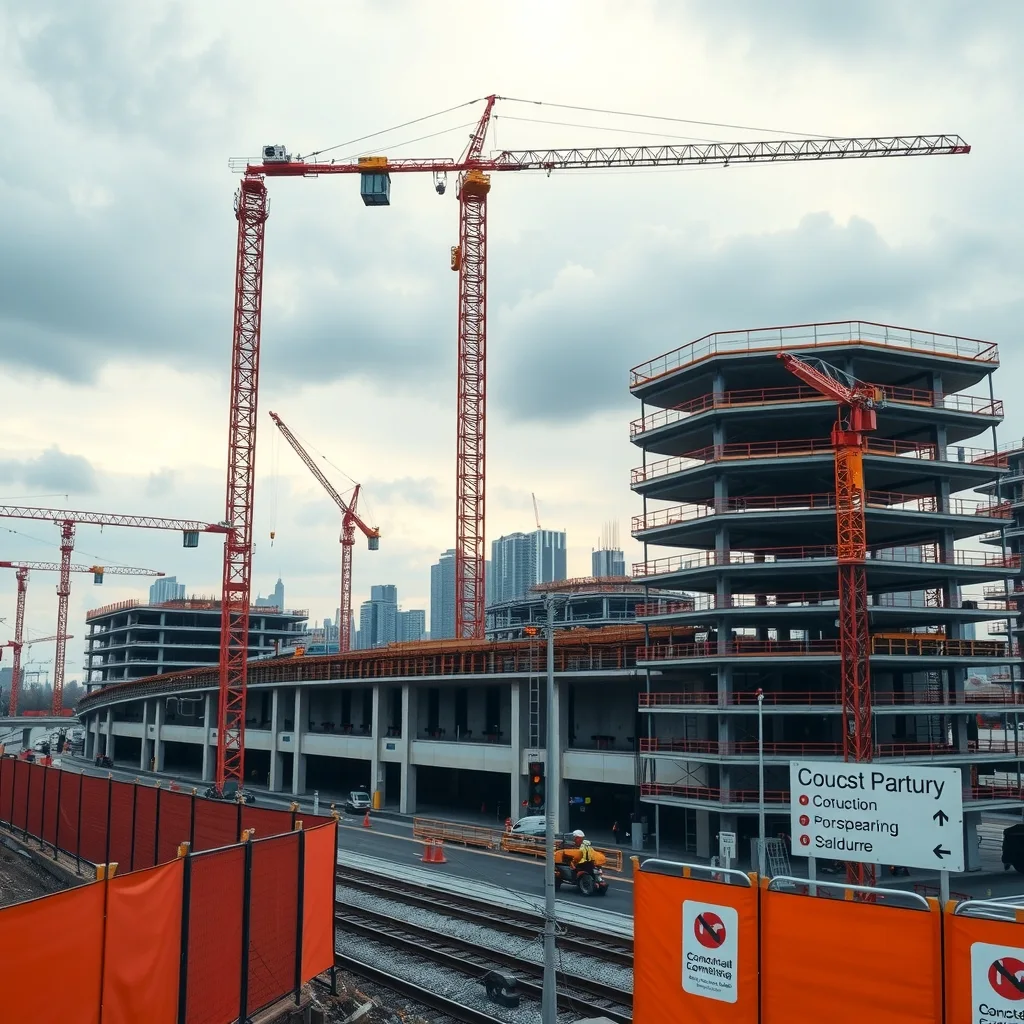
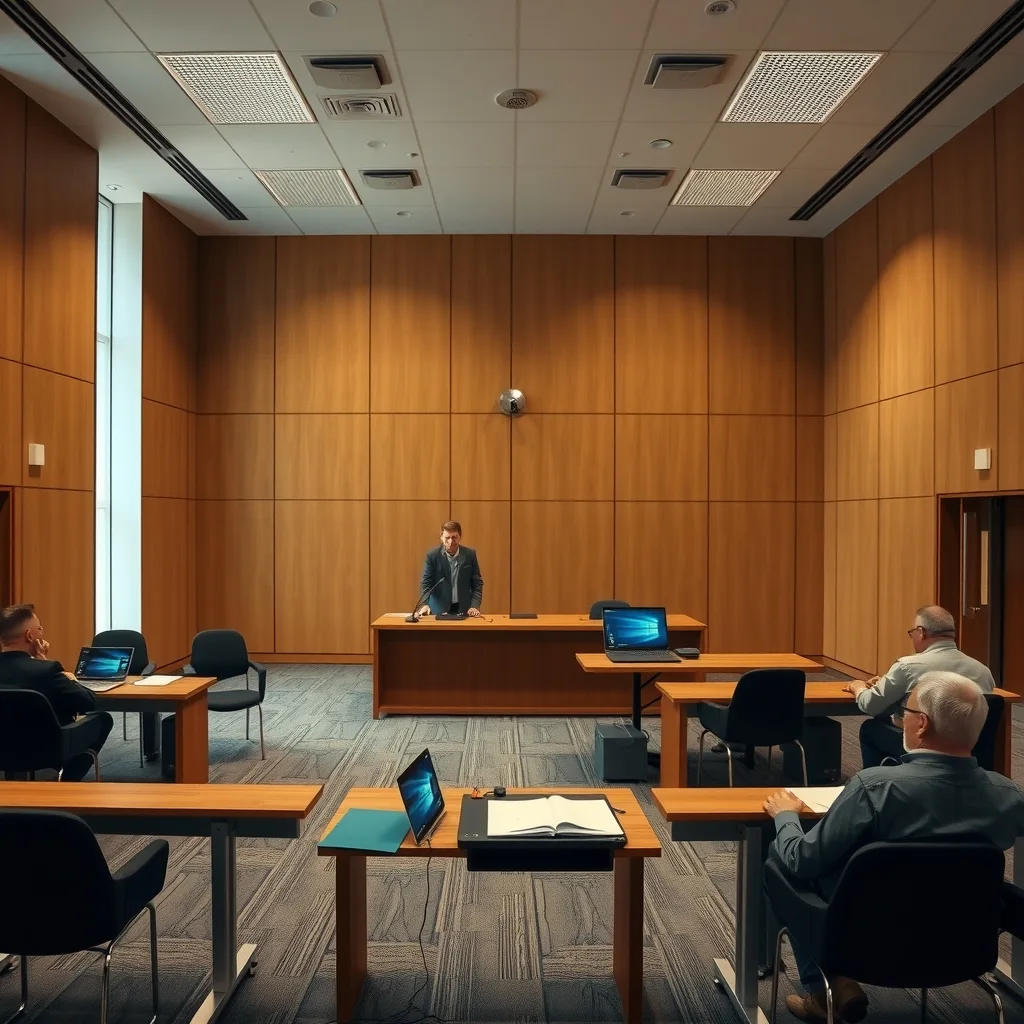
The Royal Commission into the Integrity of Major Public and Civil Infrastructure Construction Projects in Victoria opens its first block of public hearings in Collingwood on November 9, running to November 20, with former South Australian chief justice Chris Kourakis as commissioner. It is examining allegations of corruption, criminal conduct and serious misconduct on the Victorian government’s Big Build, a multi-decade, $100 billion program of roads, railway stations and tunnels. Hearings start at 10am most days at Level 9, 54 Wellington Street, are open to the public, and are livestreamed.
The ABC has published a rundown of the commission’s scope, timing and likely witnesses. The commission’s own site confirms it was established by Letters Patent on 20 August 2026 by the Governor of Victoria, Margaret Gardner, with Kourakis appointed commissioner.
How a newspaper investigation turned into a royal commission
Allegations of corruption and criminal infiltration of the CFMEU and the Big Build were first aired by Nine Newspapers in 2024. Among them were claims that bikies and criminals acting as union delegates had been paid hundreds of thousands of dollars on federal and state government funded projects.
The federal government placed parts of the union into administration in August 2024. The administrators then asked Geoffrey Watson SC to report on how the union had been operating.
Watson found the union in Victoria had “collapsed into a squalid mess” and suggested Victorian taxpayers had lost as much as $15 billion to organised crime on Big Build projects. He described corruption “of a very organised kind, which involved not only financial crimes against the people of Victoria in terms of what was going on there, but also sites being used as drug dealing points”.
The finding that matters most to anyone chasing work in Victoria is this one: Watson found the CFMEU’s Victorian construction division began controlling which subcontractors and labour hire companies were allowed on major construction sites.
The ABC reports the Victorian government was slow to act on the report, and that the question of a royal commission split the government earlier this year, with former premier Jacinta Allan refusing to call one despite pressure from across the political spectrum. Her replacement by Ben Carroll changed that. Calling the commission, at a cost of $50 million, was Carroll’s first act as premier, AAP reported.
The terms of reference reach well past the union
If you read the commission’s brief as a union inquiry, you’ll miss half of it. The terms of reference run to how contracted firms and companies responded to reports of corruption, whether government and delivery authorities had proper oversight, how regulators and police responded, why fixes from earlier inquiries didn’t stick, and how public money lost to corruption could be clawed back.
There’s also a forward-looking item: measures to prevent corruption on both public and private projects. That one covers jobs that have nothing to do with a government tunnel.
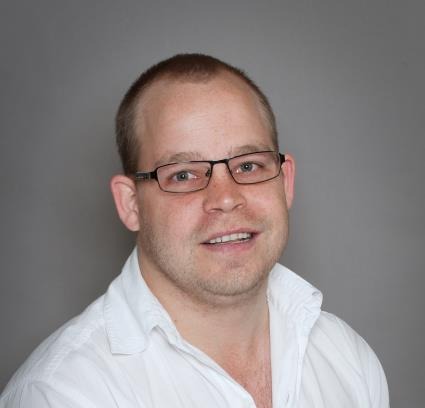
A royal commission can’t charge or prosecute anybody. The Victorian government has backed this one with a dedicated prosecutor so the findings carry consequences, according to a statement from the Premier’s office. Kourakis spent more than 18 years on the South Australian Supreme Court, served as that state’s solicitor-general, and is a Companion of the Order of Australia.
Victorian barristers Chris Young and Christopher Carr are counsel assisting. At the commission’s first sitting, associate to the commissioner Peter Tantalos said it “requires a full accounting of the criminal conduct, the corruption, and the serious misconduct that occurred in connection with the Big Build”.
Who ends up in the witness box
The list hasn’t been made public. The ABC expects CFMEU members, public servants from the Victorian Infrastructure Delivery Authority, ministerial staff and workers at major contracting companies to be called, and says there’s a chance former premiers Daniel Andrews and Jacinta Allan will give evidence.
In August, Carroll said “anyone and everyone can be called”, and that it was up to the commissioner to decide who was relevant.
“If he wants to hear from ministers, former ministers, senior officials, union leaders or company executives, he has the power to call them,” Carroll said.
CFMEU administrator Michael Crosby pushed for the net to be cast wider than the union, saying “developers, head contractors, subcontractors, labour hire operators and anyone else who had profited from unlawful or unethical behaviour” should be called “if this royal commission is serious about uncovering the truth”.
What it means if your gear is on a Big Build site
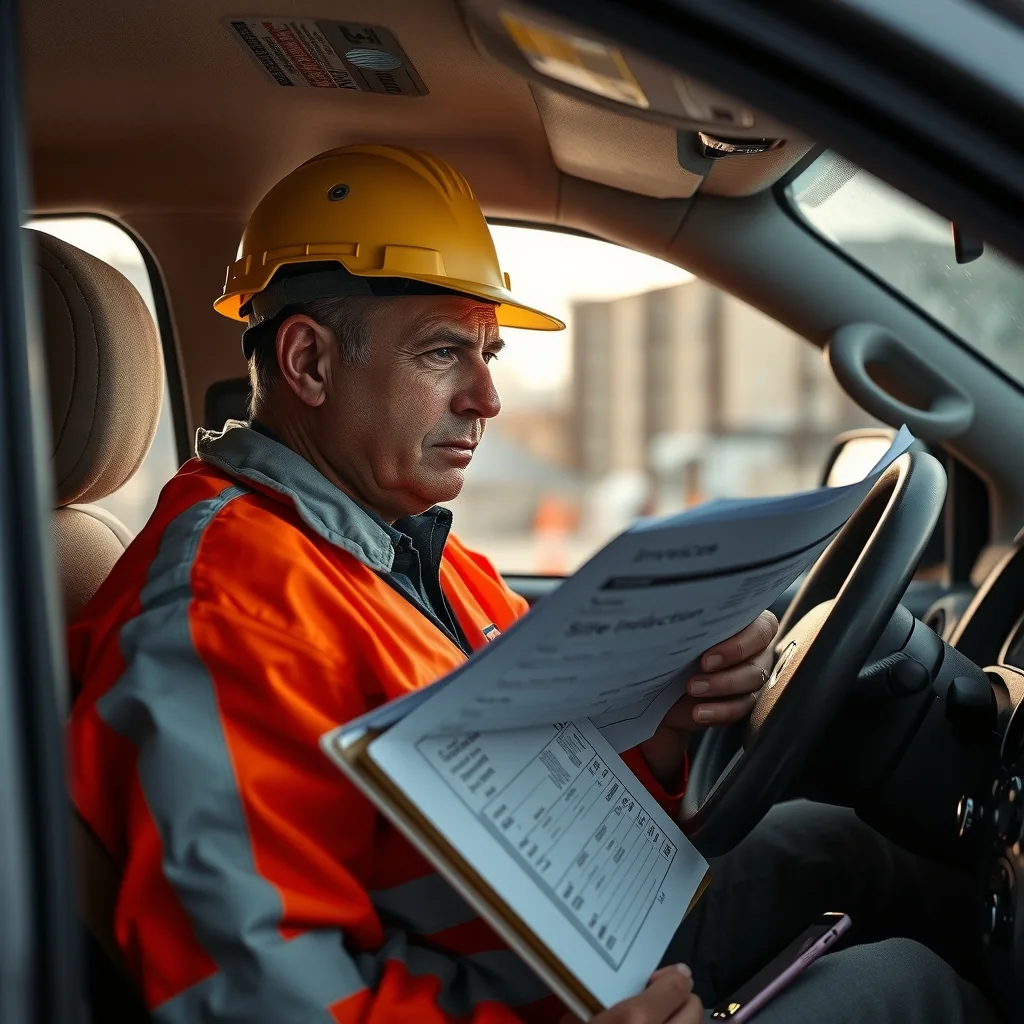
The commission isn’t a licensing body and it isn’t SafeWork. It won’t knock on your door over a tagged lead. But its paperwork trail runs through the commercial end of the job: how you got on the site, who put you there, what you were paid, who told you to engage which labour hire firm, and what you did if someone leaned on you.
Kourakis has already signalled how he views people who wait to be dragged in. He warned that “anyone who has an ambition to remain in the industry will be better served by early voluntary co-operation and disclosures,” The Conversation reported from the first day of hearings. That’s a judge telling the industry the queue forms now.
“anyone who has an ambition to remain in the industry will be better served by early voluntary co-operation and disclosures,”
For small subbies, the practical takeaway is records. Signed contracts, variation approvals, site induction paperwork, invoices and the dates on them. If a commission that can recoup public funds starts pulling threads on a head contractor you worked under, the business with the filing in order is the business that spends a week on it instead of a year.
There’s history here too. The last comparable national inquiry, the Cole Royal Commission of 2001 to 2003, also grew out of conflict inside the CFMEU’s construction division and ended with the creation of the Australian Building and Construction Commissioner. One of this commission’s terms of reference asks straight out why measures from previous inquiries didn’t work.
What to watch
A second block of hearings runs before the end of the year, and the commission keeps working through the November 28 state election. Closed hearings have already been held, where sensitive material that shapes the investigation was aired, so some of what surfaces publicly will have been tested in private first.
Watch two things from the tools: whether any head contractor or labour hire operator is named in the first block, and whether the commission starts probing how subbies were picked for packages. That second one decides whether the recommendations change who gets a run on government work, or just who runs the union.
Frequently asked questions
When do the Big Build royal commission hearings start?
The first block of public hearings runs from November 9 to November 20 in Collingwood, starting at 10am most days. Hearings are open to the public and livestreamed, with a second block before the end of the year.
Who is running the royal commission?
Former South Australian chief justice Chris Kourakis is the commissioner. He spent more than 18 years on the South Australian Supreme Court and served as that state’s solicitor-general.
Can the royal commission prosecute anyone?
No. A royal commission can’t charge or prosecute anybody, but the Victorian government has backed this one with a dedicated prosecutor so its findings carry consequences.
What should subcontractors do to prepare?
Keep records in order: signed contracts, variation approvals, site induction paperwork and invoices with dates. Kourakis has signalled that early voluntary co-operation will be looked on better than waiting to be dragged in.
Sourced from ABC News, AAP, The Conversation, Premier of Victoria, Royal Commission into the Integrity of Major Public and Civil Infrastructure Construction Projects in Victoria. Original article.