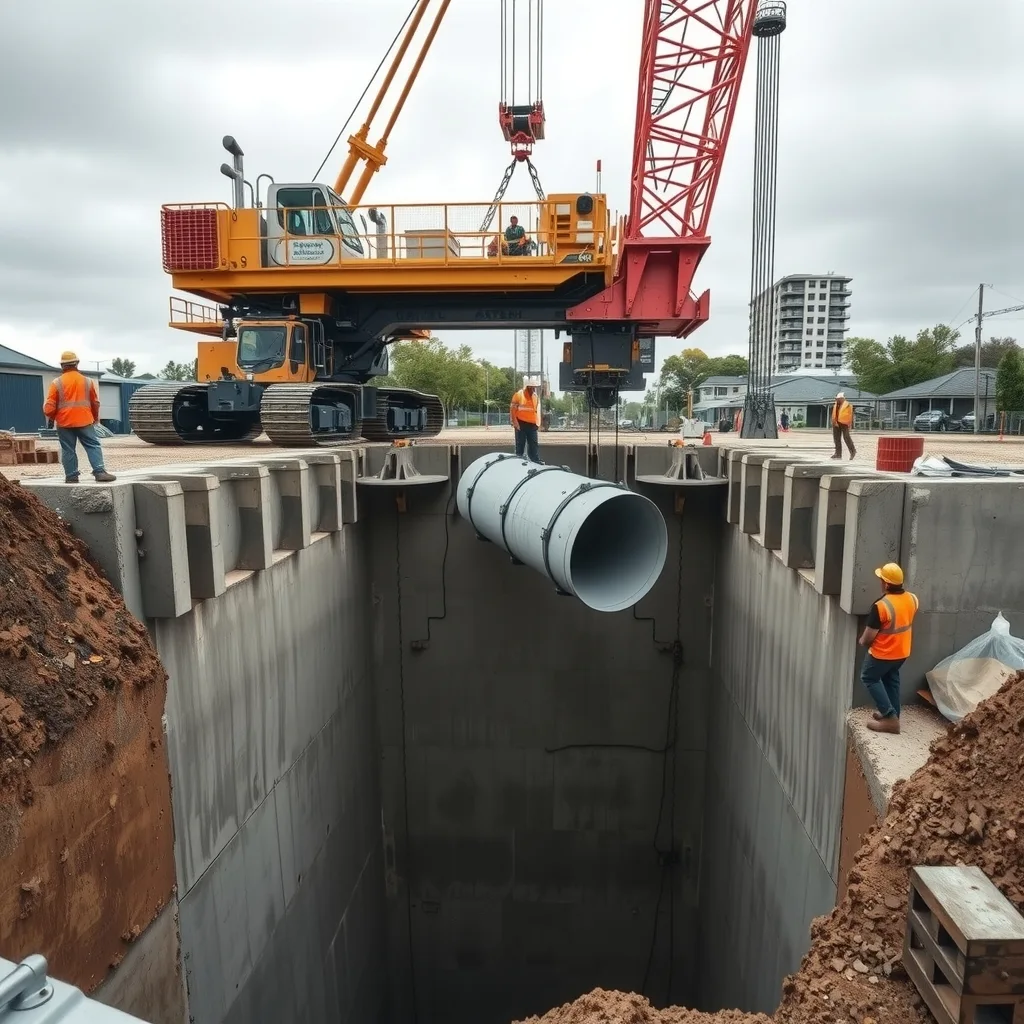
Tunnel boring machine Aayushi has arrived at Clarinda in Melbourne’s south-east, delivered in parts to a launch site excavated 19.5 metres deep, and it will bore towards Glen Waverley later this year as part of Suburban Rail Loop East.
The delivery was reported by Roads & Infrastructure, drawing on the Victorian Government’s account of the works. The machine was shipped in sections from the Port of Hastings before being trucked to the Clarinda site.
SRL East runs Cheltenham to Box Hill and is the first leg of what the state government wants to be Melbourne’s first orbital rail line. That leg is scheduled to open in 2035.
The box comes before the boring
Aayushi didn’t turn up ready to dig. TBMs arrive as a kit of very heavy parts, and the government says specialised cranes will lower those parts into the launch box so crews can piece the machine together underground before it starts cutting.
That assembly work is a rigging and heavy-lift exercise carried out in a confined excavation, with everything landing in a set order because there’s no room to shuffle pieces around once they’re down there.
The hole itself is the citable number here: the Clarinda launch site has been excavated to 19.5 metres deep, according to the Victorian Government’s account published in September 2026. Getting to that depth took extensive earthworks, ground improvement and excavation, with the government saying crews worked around the clock to prepare the site.
An acoustic shed goes up before anything turns
An acoustic shed is being built over the launch site to cut the noise, dust and light spilling into the surrounding streets once tunnelling is running.
Worth remembering that the shed is a building in its own right. It has to be erected, clad and finished before the machine goes into service, which means a structural package on the critical path that has nothing to do with the tunnel and everything to do with keeping the neighbours onside when the site runs long hours.
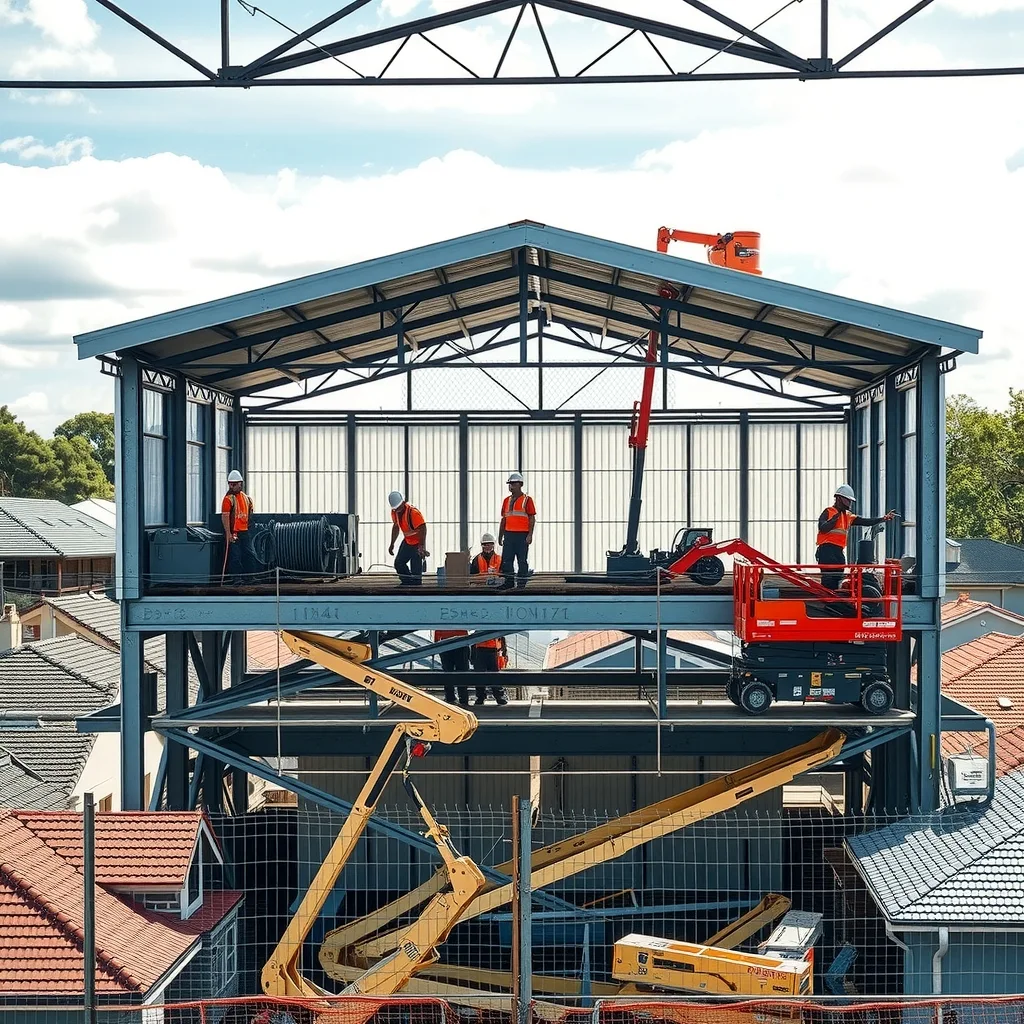
That’s the pattern on urban tunnelling jobs generally. The tunnel gets the headline; the enabling works, the site sheds, the acoustic treatment and the spoil handling are what fill the day rate for a lot of crews on the ground.
A ten-year order book, not a ten-week one
Aayushi is described as one of the machines that will tunnel from Clarinda towards Glen Waverley, so more heavy deliveries into that box are on the cards.
For anyone weighing up an apprentice or a second ute off the back of this, the timing matters. Tunnelling work is starting now. Station fitout, services, and the finishing trades that follow the civil works sit years behind the boring, on a line that isn’t due to carry passengers until 2035. Work packages on a project of this length are let in stages, not all at once.
The next thing to watch at Clarinda is the launch itself, expected later this year once the machine is bolted together in the box and the acoustic shed is closed in. After that, the tell will be how fast the drive north towards Glen Waverley progresses, because segment supply, spoil trucking and surface logistics all key off the machine’s advance rate.
This story is based on a single account of the works published by Roads & Infrastructure and sourced to the Victorian Government. Contract values, builder details and workforce numbers weren’t disclosed in that report.
Frequently asked questions
When is Suburban Rail Loop East due to open?
The Cheltenham to Box Hill line, the first leg of SRL East, is scheduled to open in 2035 according to the Victorian Government’s account of the works.
How deep is the TBM launch box at Clarinda?
The Clarinda launch site has been excavated to 19.5 metres deep, the depth crews needed before Aayushi’s parts could be lowered in and assembled.
Why is an acoustic shed being built over the tunnelling site?
The shed is designed to contain the noise, dust and light that spill into surrounding streets once tunnelling runs around the clock.
Sourced from Roads & Infrastructure, Victorian Government. Original article.