
Certified safety eyewear sold for Australian worksites is built to one impact benchmark, AS/NZS 1337.1:2010, and passing it tells you the lens won’t shatter into your eye. It tells you nothing about how that lens handles glare off a Colorbond roof, how it copes when you walk from full sun into a dark subfloor, or how your eyes feel by knock-off. PPE brand CARVE is now arguing that gap is a safety issue in its own right, in a feature published by trade title Electrical Connection on 18 August 2026.
The piece is a manufacturer’s case, and worth reading as one. But the point underneath it is the sort of thing you only notice after a few years on the tools: two pairs of glasses can carry identical certification and behave completely differently on site.
”That’s where brands diverge”
CARVE Director and Founder Matt Whyte told Electrical Connection the standard is a floor, not a spec sheet.
“While all certified safety eyewear must meet the same AS/NZS 1337.1:2010 impact requirements, the standard doesn’t dictate how eyewear should be designed, constructed or engineered. That’s where brands diverge,” he said.
He argues the industry has spent years asking one question about PPE and needs a second.
“For years, PPE has been assessed almost exclusively on whether it met the relevant safety standard. That’s essential, but it’s no longer the whole conversation,” Whyte said.
“If workers can see more clearly, experience less fatigue and stay comfortable for longer, that’s a safety outcome as much as it is a performance outcome.”
That’s a vendor talking about a category it sells into. Take it at that weight. The underlying claim, though, that you can’t spot a hazard you can’t see clearly, isn’t controversial.
The lens problem tradies already know about
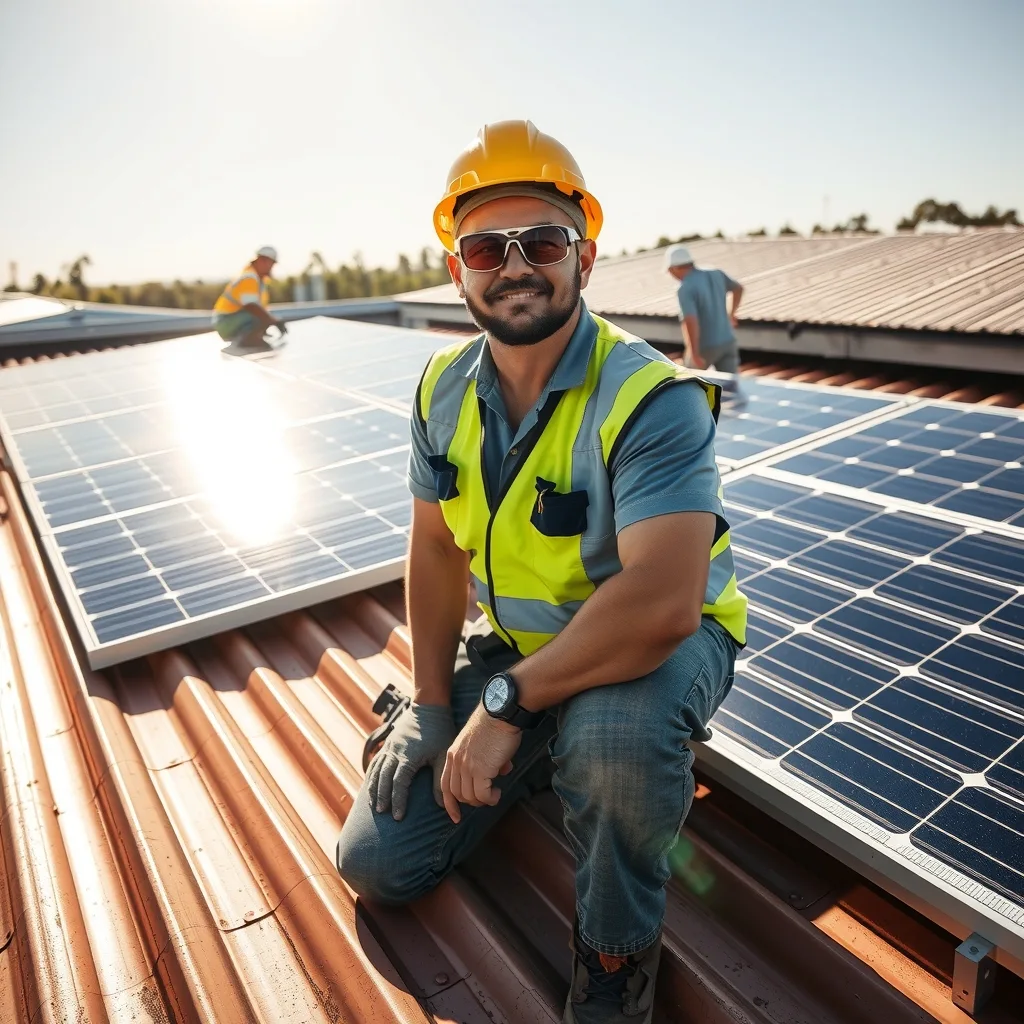
Think about a sparkie’s day on a residential solar job. Morning on a north-facing metal roof with the array throwing light back at you, then down the ladder, into the roof cavity to run cable, then back out to the switchboard in the shade, then reading a multimeter display in a garage.
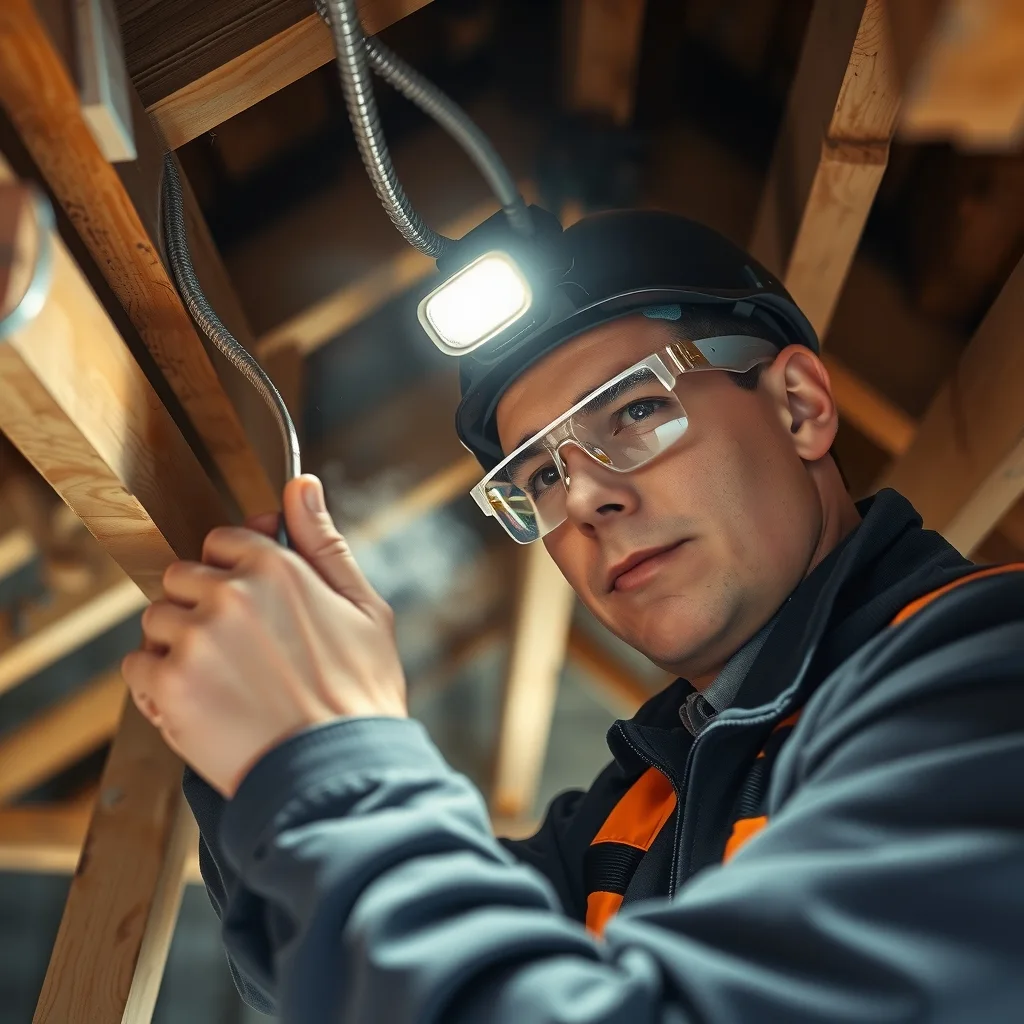
Dark lenses that were a relief on the roof turn the cavity into a guessing game. Clear lenses on the roof mean four hours of squinting. Most blokes solve it by pushing the glasses up on the hat, which is the moment the swarf finds you.
Electrical Connection reports CARVE is pitching a lens-per-condition approach: photochromatic lenses that shift with changing light for indoor-to-outdoor work, polarised and Iridium tints for reflective sites like solar farms and metal roofing, yellow and rose tints for contrast in low light, and clear lenses for indoor, underground and night work.
Whether you buy that brand or another, the practical takeaway is the same. One pair in the ute is a compromise for at least half your shifts.
The new lens, and the number attached to it
The news hook in the piece is a G15 green lens going into CARVE’s Volley style with a camo frame. G15 came out of aviation, using a grey-green tint with brown undertones to hold natural colour while lifting contrast.
That lens transmits 15% of visible light and blocks the other 85%, putting it in the Category 3 sun-lens bracket, according to CARVE specifications reported by Electrical Connection in August 2026. The range is certified to AS/NZS 1337.1:2010 and ANSI Z87.1+ high-impact, with UV400 protection, the article states, and the lenses are high-grade shatterproof polycarbonate.
BCN doesn’t test products and isn’t calling this the best pair on the market. The figure is useful because it’s the kind of spec you can compare across brands when the certification line on the box is identical.
What to check before the next PPE order
UV is the argument that should land hardest with anyone who works outside. The Electrical Connection piece notes Australian workers operate under some of the world’s harshest UV conditions, and that UV exposure is cumulative and irreversible. You don’t get yesterday’s dose back.
Under the model work health and safety laws, PPE sits at the bottom of the hierarchy of controls and supplying it is the employer’s job, not something to be sorted out of your own pocket. Safe Work Australia publishes the duties, and your state regulator enforces them.
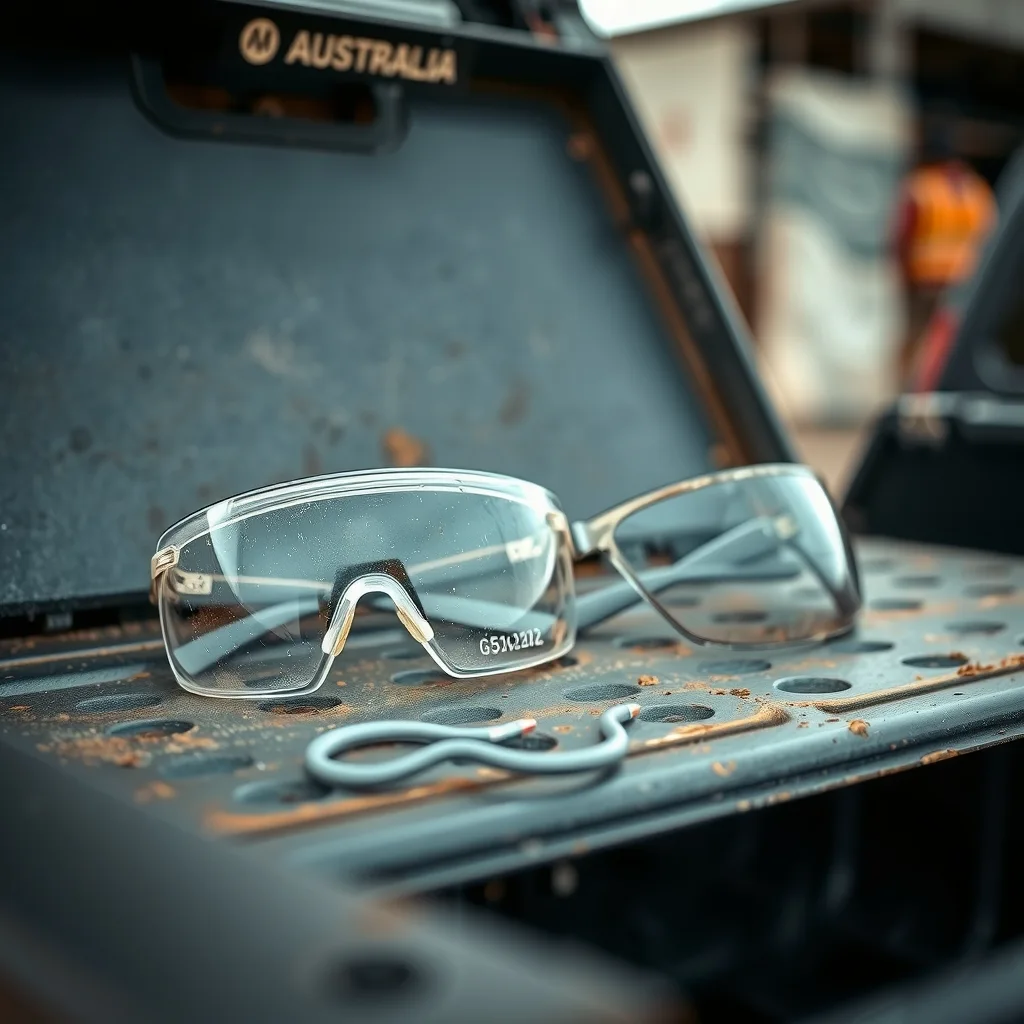
So the question for a foreman or a sole trader signing off the next PPE order isn’t just whether the glasses are certified. It’s whether the tint matches the work, whether there’s a second pair for cavity and night jobs, and how fast the lenses scratch, because a scratched lens gets pushed onto the hat brim and stops protecting anything.
Watch what turns up in the merchant catalogues over the next year. If the eyewear aisle starts carrying visible light transmission figures and tint categories the way boots carry safety ratings, that’s the shift Whyte is describing.
“As work environments continue to evolve, lens technology, optical performance and user comfort are becoming important considerations in how PPE supports worker wellbeing and productivity,” he said.
Frequently asked questions
Does AS/NZS 1337.1 certification guarantee UV protection?
The standard covers impact resistance only, not UV performance or tint. CARVE’s own range separately carries UV400 protection, but that’s a manufacturer spec, not something the impact standard requires.
Who has to supply safety glasses on an Australian worksite?
Under the model work health and safety laws, PPE sits at the bottom of the hierarchy of controls and it’s the employer’s responsibility to supply it, not the worker’s. Safe Work Australia publishes the duties and state regulators enforce them.
What is a G15 lens?
G15 is a grey-green tint that originated in aviation. It transmits 15% of visible light and blocks the other 85%, placing it in the Category 3 sun-lens bracket, and holds natural colour while lifting contrast.
Sourced from Electrical Connection, Safe Work Australia. Original article.