
Russian timber is reaching Australian building sites by being rerouted through countries such as China and Lithuania, bypassing the 35 per cent tariff imposed after Russia’s invasion of Ukraine, the Australian Forest Products Association says.
Acting CEO Richard Hyett told ABC News that processing timber in a third country is enough to reset its origin status under current rules. “Russian timber can go to China, be manufactured into LVL [laminated veneer lumber] and come to Australia and not attract the tariff, and we think that is wrong,” he said. The association estimates up to 100,000 cubic metres of Russian-origin timber enters Australia each year labelled as exports from those other countries.
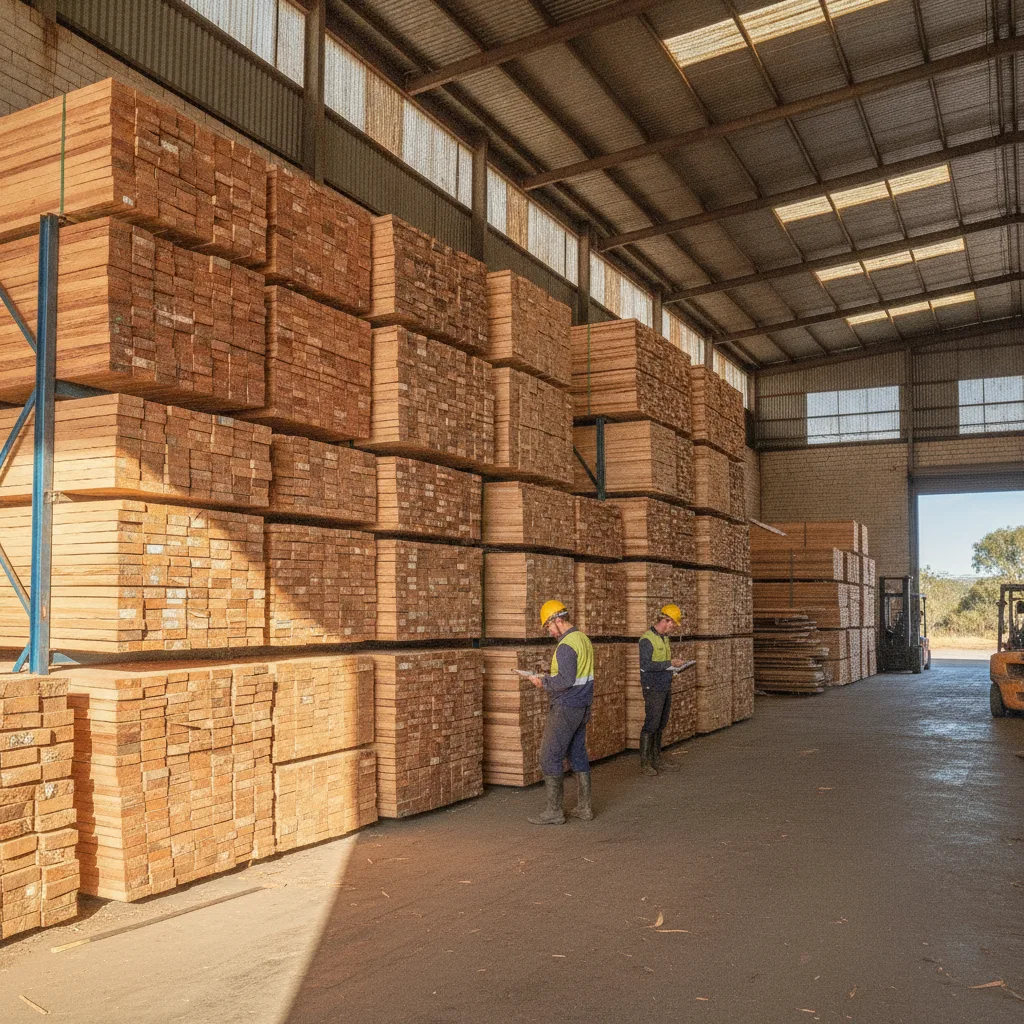
Hyett said local mills are fully stocked and ready to supply but are being undercut. “Our mill yards are full, ready to supply the Australian market, but they’re being out-competed by cheap product coming from Russia through to China into Australia.” The association is calling for border testing to detect Russian timber and for tariffs to apply to any product containing Russian material, regardless of where it was processed.
University of Adelaide Environment Institute director Professor Andrew Lowe, who is part of a global project to build a timber DNA database, said concerns about illegal logging in Russia predate the war. He noted that both the Forest Stewardship Council and the Programme for the Endorsement of Forest Certification no longer certify Russian timber. Lowe cautioned that faster testing would need to be developed to avoid slowing legitimate imports at the border.
Housing Industry Australia senior economist Tom Devitt acknowledged that Australia still depends on imported timber to meet housing demand. He said if supply-chain disruptions continue for geopolitical or economic reasons, “the burden really needs to be on government and other policymakers to help reduce the costs of home-building in other areas — otherwise they’ll continue to fall short of housing targets.”
A Department of Foreign Affairs and Trade spokesperson said Australia “takes tariff compliance seriously” and that importers are expected to do due diligence on their supply chains. For tradies and builders, the push for product-of-origin labelling could eventually make it easier to verify what timber they’re actually nailing up.
Frequently asked questions
Why doesn’t Australia’s 35 per cent tariff on Russian timber stop it from entering the country?
Under current rules, processing timber in a third country such as China resets its origin status, meaning the finished product is classified as Chinese — not Russian — and does not attract the tariff.
What is the Australian Forest Products Association calling for?
The association wants border testing to detect Russian-origin timber and for the tariff to apply to any product containing Russian material, regardless of where it was last processed.
How would authorities tell whether timber originally came from Russia?
University of Adelaide Professor Andrew Lowe is part of a global project developing a timber DNA database that could identify a log’s geographic origin, though faster testing methods would be needed to avoid delaying legitimate imports.
Does this affect the cost of building a home in Australia?
Housing Industry Australia economist Tom Devitt says Australia still relies on imported timber to meet demand, and that if supply-chain disruptions continue, government will need to reduce home-building costs in other ways or risk missing housing targets.
Sourced from ABC News. Original article.