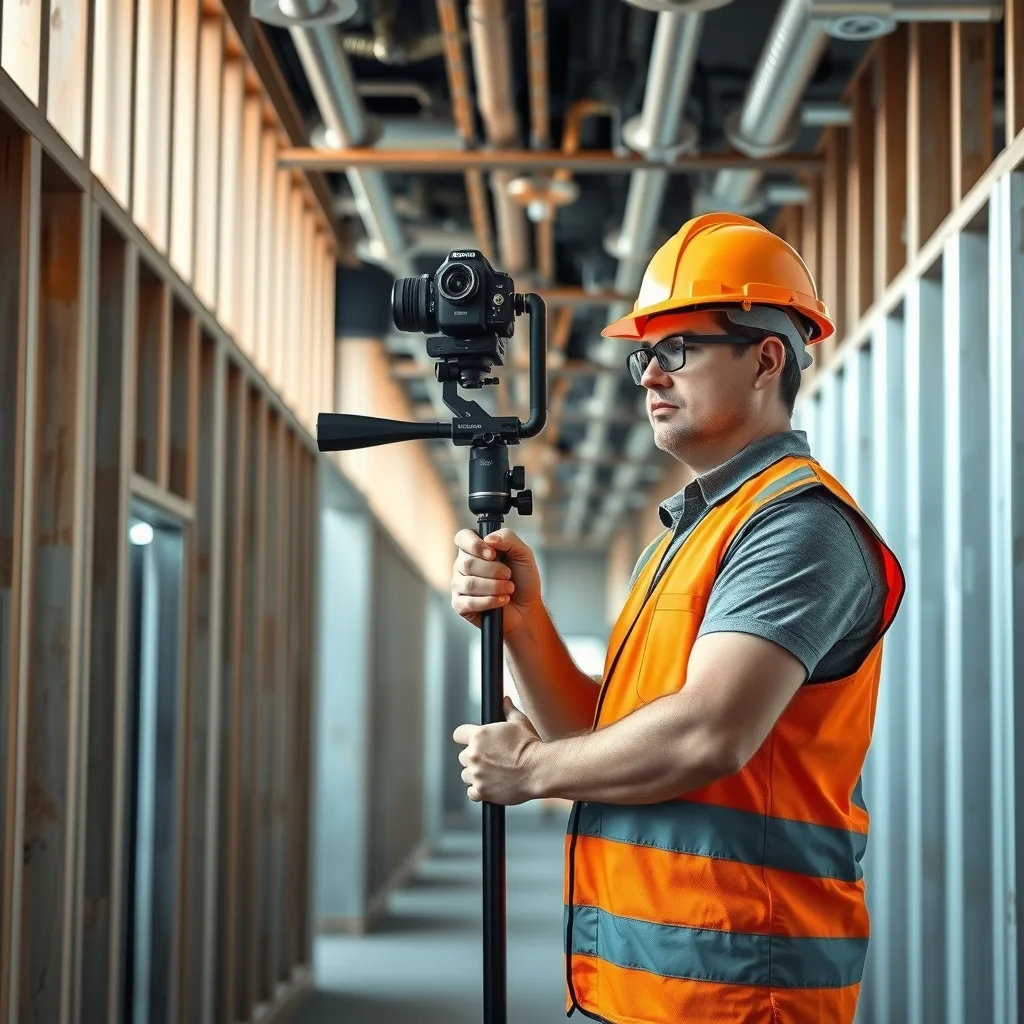

South Australian builder Sarah Constructions says overlaying its BIM models on 360-degree camera walks of the $15.6 million Port Pirie Hospital emergency department redevelopment produced about 50 per cent fewer subcontractor-to-subcontractor back charges than comparable jobs run on traditional site documentation, and avoided roughly $6,000 in variation costs the head contractor would otherwise have worn. The regional hospital job was the family-owned builder’s pilot of Cupix, a site capture platform that stitches 360-degree photos into a walkable record of the site.
The figures come from digital manager Alex Willshire, speaking to Inside Construction. They’re the builder’s own numbers, self-reported from a single pilot, and Willshire is upfront that the platform wasn’t working alone.
“On Port Pirie, when compared with similar projects delivered using more traditional site documentation methods, we experienced about 50 per cent fewer subcontractor-to-subcontractor back charges and avoided about $6,000 in non-recoverable variation costs that we may otherwise have absorbed,” he said.
“It’s important to say that this was a team outcome. Cupix wasn’t the only factor, but it contributed strongly to those results by giving us better information and helping people resolve issues earlier.”
The gap between the model and the wall
Sarah Constructions has been building across education, healthcare, aged care, defence, retail and multi-storey accommodation for more than six decades. By 2023 it had BIM-led coordination and model-based reviews running across several projects, with clash detection done upfront alongside subbies before anyone swung a hammer.
What it didn’t have was a way of checking that the thing coordinated in the model was the thing actually screwed to the studs.
“That was where we saw value in Cupix. By combining BIM models with 360-degree site captures, we could compare site conditions against the coordinated design earlier and identify any deviations before they became larger issues,” Willshire said.
The second problem was the one every site has. “The other driver was image capture. Site teams were taking countless photos, often stored on individual devices or buried in project folders. Cupix provided a centralised visual record that was easier to access and use.”
Every supervisor reading that recognises it: three thousand shots on a phone, none of them named, and the bloke who took them has moved to another job.
Getting a digital tool past the site shed
Willshire is blunt about why site crews treat new software with suspicion, and he doesn’t blame them.
“One of the broader challenges in construction is introducing digital tools in a way that earns trust on site. With BIM tools, the industry has sometimes been asked to trust systems that haven’t translated cleanly from the office to the field,” he said.
“As a digital team, we want people on site to form their own view of whether a tool is adding value. We’re not there to sell it to them. We want them to test it, challenge it and tell us honestly whether it works.”
That’s a fair standard to hold any vendor to. Worth noting the piece sits in a run of Cupix case studies Inside Construction has published, alongside write-ups on Leighs Construction, Naylor Love and John Holland.
Why a hospital ED is the hard test
An emergency department is about as services-dense as commercial fitout gets. Medical gas, nurse call, data, power, hydraulics and mechanical all fighting for the same ceiling void, in a regional town where the specialist subbies travel in, do their run and leave. There’s no popping back next Tuesday to fix a clash.
Port Pirie was also a construct-only contract, meaning Sarah Constructions wasn’t carrying design responsibility in the usual way. It ran the validation anyway.
“The project’s complexity made upfront design and construction coordination vital. We wanted to resolve as much as possible before work reached site, but we also needed confidence that what had been coordinated was being built as intended,” Willshire said.
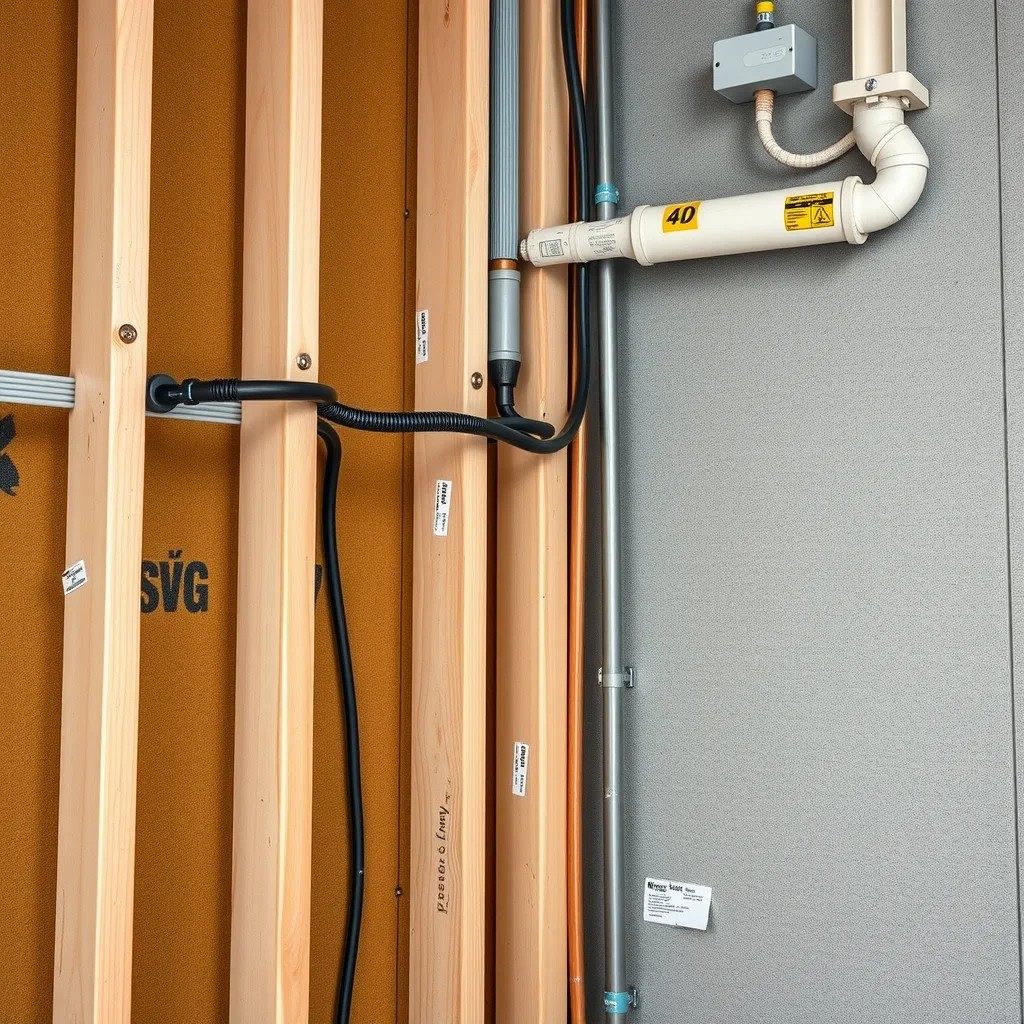
The payoff Willshire describes as “X-ray vision” is the bit that matters on the tools. Once a wall is sheeted and set, a cable run becomes a guess. With a capture taken before lining, the team could scroll back to the day the sparkie ran the cable, find it, and mark the wall without cutting three exploratory holes to chase it. That’s the difference between a five-minute check and a patch-and-paint variation nobody wants to own.
Same logic applied to structural elements and bracing when variations landed mid-job.
Trenches, dilapidation and what happens next
Cupix isn’t standard across Sarah Constructions yet. The pilot is still in evaluation, though the platform has since run on two more projects at different stages.
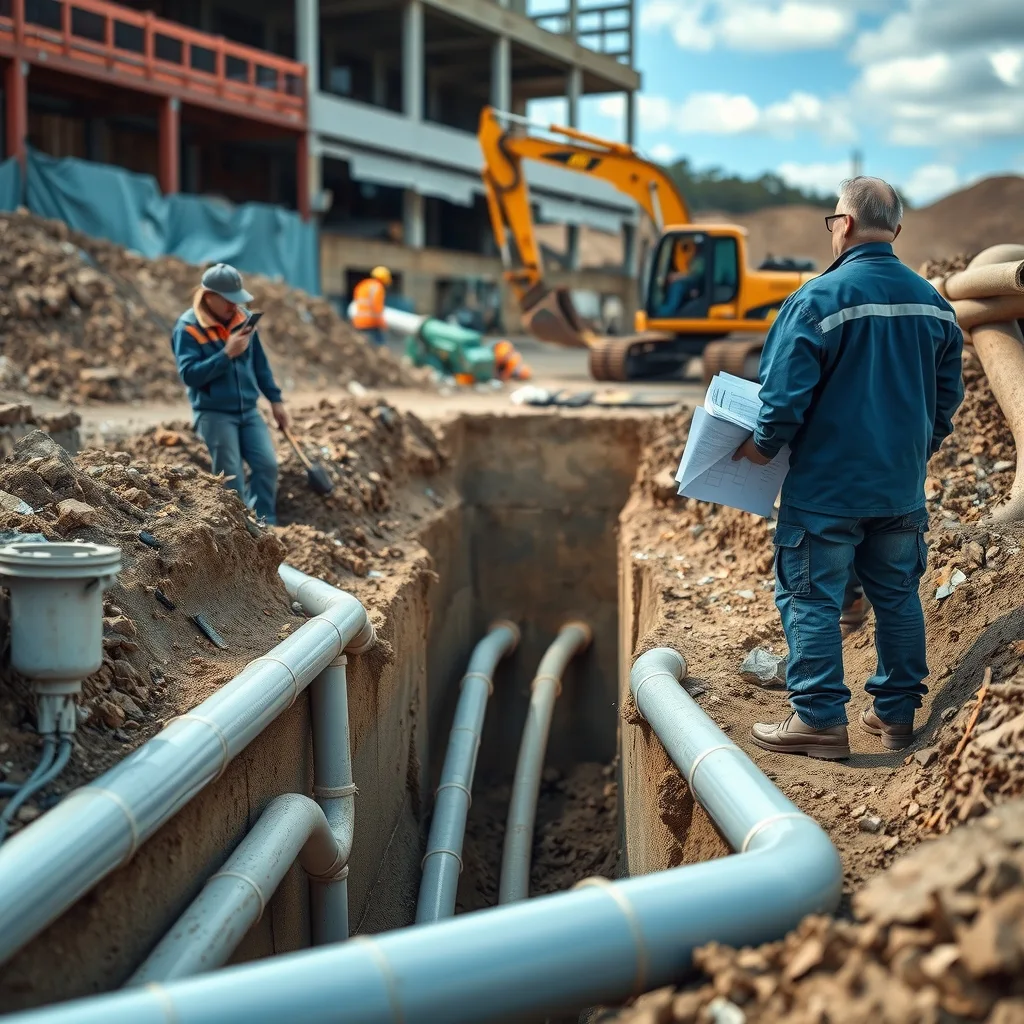
The most recent one started capturing from day one on site, including dilapidation reporting, which is the record that decides who pays when a neighbour’s driveway cracks.
“That’s allowed us to look at the full benefit of capturing site conditions from the beginning, including in-ground works. It’s also a non-BIM-driven project, so we have been testing how Cupix can be used outside a modelled environment,” Willshire said.
“We have been able to overlay drawing information onto the lightweight point cloud file and validate that trenches have been installed in the correct location.”
That last line is the one for civil and hydraulic crews. Trench position gets argued about long after the backfill goes in, and a dated capture beats a memory every time.
The builder also trialled SiteInsights, Cupix’s AI progress tracking, aligning captures, models and the programme to test automated progress measurement on services, partitions and ceilings. Willshire’s read was that the exercise showed where automation could support project controls and where the technology still has room to mature. Translation for anyone chasing a progress claim: not yet.
For subbies on jobs where a head contractor rolls this out, the practical change is who has to be on site to answer a question. Willshire says trades could review conditions themselves rather than waiting on the project team, and that “Cupix provided a shared view of the project and helped ensure trades arrived when work was ready to begin”. Fewer wasted mobilisations is the kind of saving that shows up in your own margin, not just the builder’s.
The thing to watch is whether the capture walk becomes another line item pushed down the chain. Someone has to walk the job with the camera, every week, on schedule. If that lands on a leading hand’s Friday afternoon with no allowance for it, the record goes patchy and the whole argument falls over.
Frequently asked questions
What is Cupix?
Cupix is a site capture platform that stitches 360-degree photos into a walkable record of a site. Sarah Constructions overlaid its BIM models on that record at Port Pirie Hospital.
How much did back charges fall on the Port Pirie job?
About 50 per cent, according to Sarah Constructions digital manager Alex Willshire. The figure is self-reported from a single pilot, not an independently verified result.
Is Cupix now standard on all Sarah Constructions projects?
No. The pilot is still in evaluation, though the platform has since run on two more projects at different stages, including one tracking site conditions from day one.
Sourced from Inside Construction. Original article.