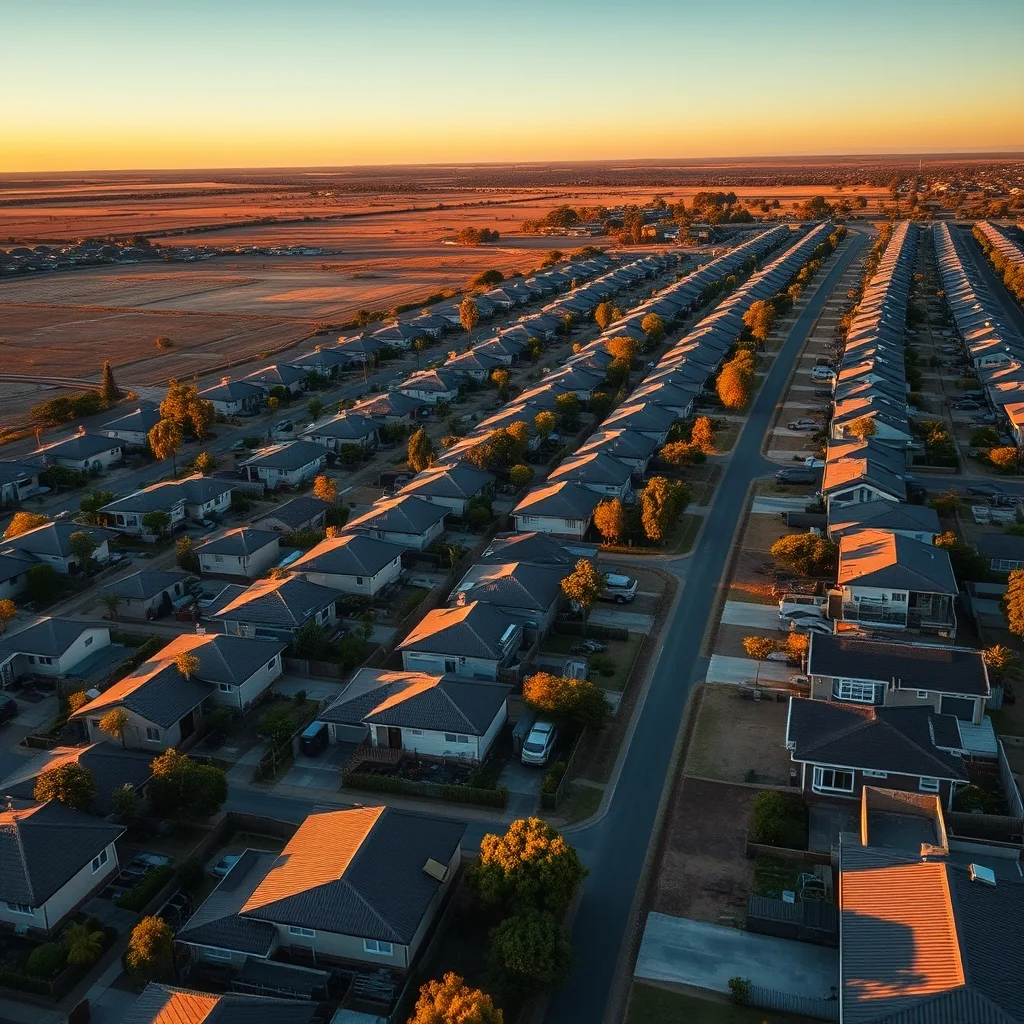

More than 50,000 Perth suburban properties could become eligible to subdivide under proposed changes to Western Australia’s Residential Design Codes, a reform the state government says is among the most significant planning overhauls in three decades.
The Cook Labor Government has announced it wants to drop the minimum block size for subdivision of R20-coded land from 900 square metres to 700 square metres, and abolish the average lot size requirement that currently applies to the most common suburban residential zoning across the Perth metro area. The proposed changes are open for public consultation.
Planning and Lands Minister John Carey said the scope of the changes was hard to overstate. “The changes we are proposing are among the most significant reforms to the R-Codes since they were brought in three decades ago and build on previous changes to the medium density codes and our broader nation-leading planning reforms,” he said.
The backdrop is a housing market under serious pressure. Perth’s median house price cleared $700,000 by 2024, and the city’s rental vacancy rate sat below 1 per cent in 2023, the lowest of any Australian capital. The city’s urban infill rate reached 39 per cent in 2024, up from 34 per cent the year before, but still short of the government’s 47 per cent target. In 2024, 11,238 residential lots were created across WA’s metropolitan and major regional areas. The government has committed a record $10.8 billion to housing measures since 2021.
The proposed R-Codes package goes further than the 700sqm threshold alone. It also includes cutting single-home planning approval times from 60 to 30 days, removing minimum parking requirements for apartments and granny flats, and allowing three-storey development in R40-zoned areas, up from two storeys. Since April 2024, granny flats up to 70 square metres can already be built on residential lots of any size without planning approval, under changes confirmed by the Department of Planning, Lands and Heritage.
For tradies across the Perth metro, the numbers are worth paying attention to. Every new lot created triggers a Water Corporation headworks charge of around $7,600 and a Western Power connection fee of roughly $2,331, according to subdivision cost data published by Feasly. That means concreters, earthmovers, plumbers, electricians, and residential builders are first in line for site prep, drainage, power and water connections, crossovers, and new dwelling construction well before a hammer is raised on the house itself. If even a fraction of the 50,000-plus newly eligible properties move forward, the pipeline of smaller residential jobs across Perth’s suburbs could grow substantially.
Tradies and builders operating in the Perth metro would do well to watch the consultation outcome. A shift from 900sqm to 700sqm minimums in the city’s most common residential zone reshapes what clients can do with a standard suburban block.
Frequently asked questions
What is the proposed minimum block size for subdivision under the new WA R-Codes?
The Cook Government proposes dropping the minimum block size for R20-coded land from 900 square metres to 700 square metres, and abolishing the average lot size requirement.
How many Perth properties could become eligible to subdivide under the changes?
More than 50,000 Perth metro properties could become eligible to subdivide if the proposed R-Codes changes are approved.
Can granny flats already be built without planning approval in Perth?
Yes. Since April 2024, granny flats up to 70 square metres can be built on residential lots of any size in WA without planning approval, under changes confirmed by the Department of Planning, Lands and Heritage.
What other changes are included in the proposed R-Codes overhaul?
The package also proposes cutting single-home planning approval times from 60 to 30 days, removing minimum parking requirements for apartments and granny flats, and allowing three-storey development in R40-zoned areas, up from two storeys.
Sourced from The National Tribune, WA Department of Planning, Lands and Heritage, Feasly. Original article.