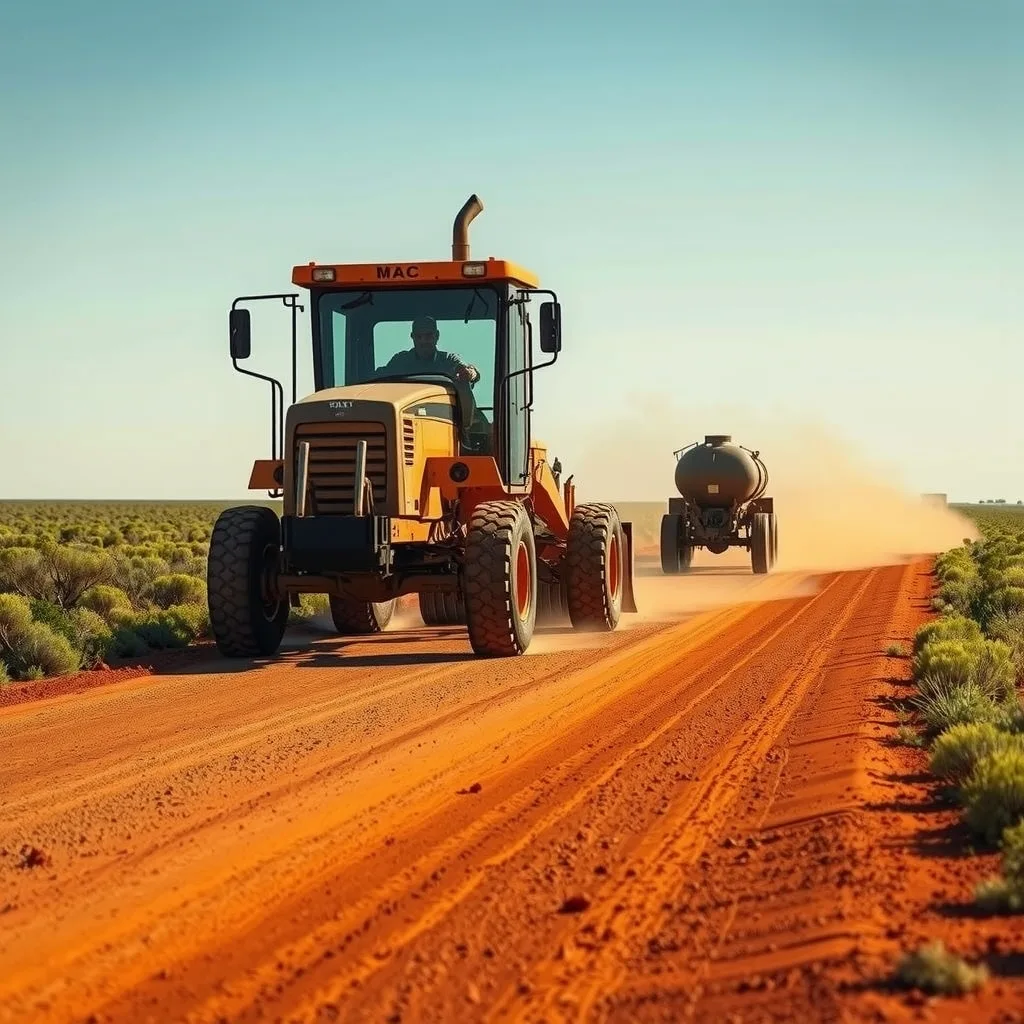

The Northern Territory Government has awarded a $12.95 million contract to Tennant Creek business Remote Industries Australia to restore flood-damaged sections of the 561-kilometre Sandover Highway, with construction starting in September and the job due for completion by June 2027.
Roads & Infrastructure reported the award, saying the corridor is a critical connection for livestock, freight and motorists running between the Plenty Highway and Camooweal, on the Queensland border.
The road copped extensive damage during Tropical Cyclone Megan in March 2024, and then took another hiding through the 2025-26 wet season. Some sections are still shut.
”A long time coming” for the Sandover
Northern Territory Minister for Logistics and Infrastructure Bill Yan said the wait had been felt hard out east.
“I know this is a long time coming for the remote communities, local industries, and tourists relying on this road,” Yan said.
“We are getting on the job of repairing it by properly scoping the reconstruction works needed.”
On why it has taken this long to get a contractor on the ground, Yan said: “Some sections of the highway remain closed due to the extensive flood damage suffered earlier this year. Only recently have conditions allowed assessment to be completed and we are prioritising the restoration works needed to reinstate safe and reliable access as soon as possible.”
That’s the reality of remote road work. You can’t scope a washout properly until the country dries out enough to drive it, and you can’t price a job you can’t inspect.
What the $12.95m actually buys
The scope, according to the NT Government, covers reconstructing and re-sheeting gravel pavement, repairing erosion and drainage infrastructure, and desilting existing drainage systems. Construction starts in September, after initial emergency access repairs, with the aim of bringing damaged sections back to pre-flood condition.
None of that is glamour work, but it’s the bread and butter of the plant-based end of civil.
Re-sheeting a gravel highway is a production line stretched across hundreds of kilometres. Gravel gets won and loaded at a pit, carted out to the run, spread by grader, watered, and rolled. Then the crew moves up the road and does it again. The pit, the haul distance and the water source decide how many metres a day you get, and out on the Sandover, all three are a long way from anywhere.
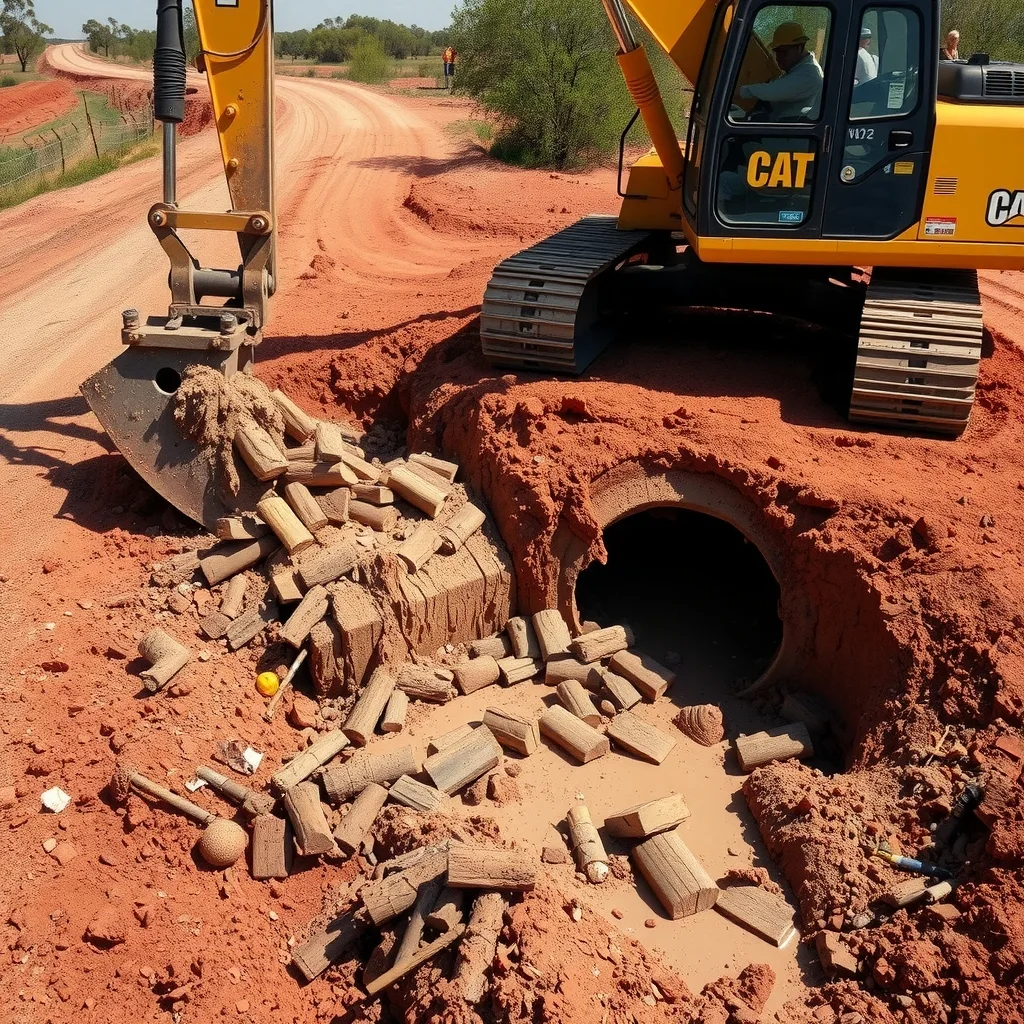
Drainage is the other half of the job. Desilting means excavators and loaders pulling washed-in material back out of culverts, table drains and floodways so the next big rain runs off the formation instead of through it. Erosion repair is the same story: rebuild the shoulder, restore the batter, get the water moving where it’s meant to go.
Local contractor, local flow-on
Giving the job to a Tennant Creek outfit matters more out there than it would in a capital. Remote civil work runs on fuel, tyres, spare parts, floats, camp catering and a diesel fitter who can turn up before the grader’s been down half a shift. Those dollars tend to land closer to home when the head contractor is already based in the region.
It’s worth watching whether any of the work goes out as smaller packages to plant hire operators around Tennant Creek and Alice Springs. Nothing in the announcement says it will, but a 561-kilometre corridor with multiple damaged sections is not a one-crew job in the way a suburban resheet is.
Timing is the other thing to keep an eye on. A September start with a June 2027 finish puts two wet seasons inside the program. Crews on unsealed remote roads generally lose ground once the country gets wet, which means the productive windows either side of the build-up are the ones that count.
What to watch next
The first marker is September, when construction is due to start behind the emergency access repairs. After that, it’s which sections reopen and when, because the closures are what’s currently hurting cattle transport, community resupply and anyone running a tourism business off that route.
For operators in the Barkly, the practical question is simple enough: is there enough plant and enough tickets in the region to keep two wet-season-bracketed work fronts moving, or does the labour get drawn in from Alice and Mount Isa?
Frequently asked questions
When will repair work start on the Sandover Highway?
Construction starts in September, after initial emergency access repairs, with the full job due for completion by June 2027.
Why does the Sandover Highway need repairing?
The highway was badly damaged during Tropical Cyclone Megan in March 2024 and took further damage through the 2025-26 wet season. Some sections are still closed.
Who is carrying out the Sandover Highway repairs?
Tennant Creek business Remote Industries Australia was awarded the $12.95 million contract by the Northern Territory Government.
What work does the contract cover?
It covers reconstructing and re-sheeting gravel pavement, repairing erosion and drainage infrastructure, and desilting existing drainage systems, according to the NT Government.
Sourced from Roads & Infrastructure, Northern Territory Government. Original article.