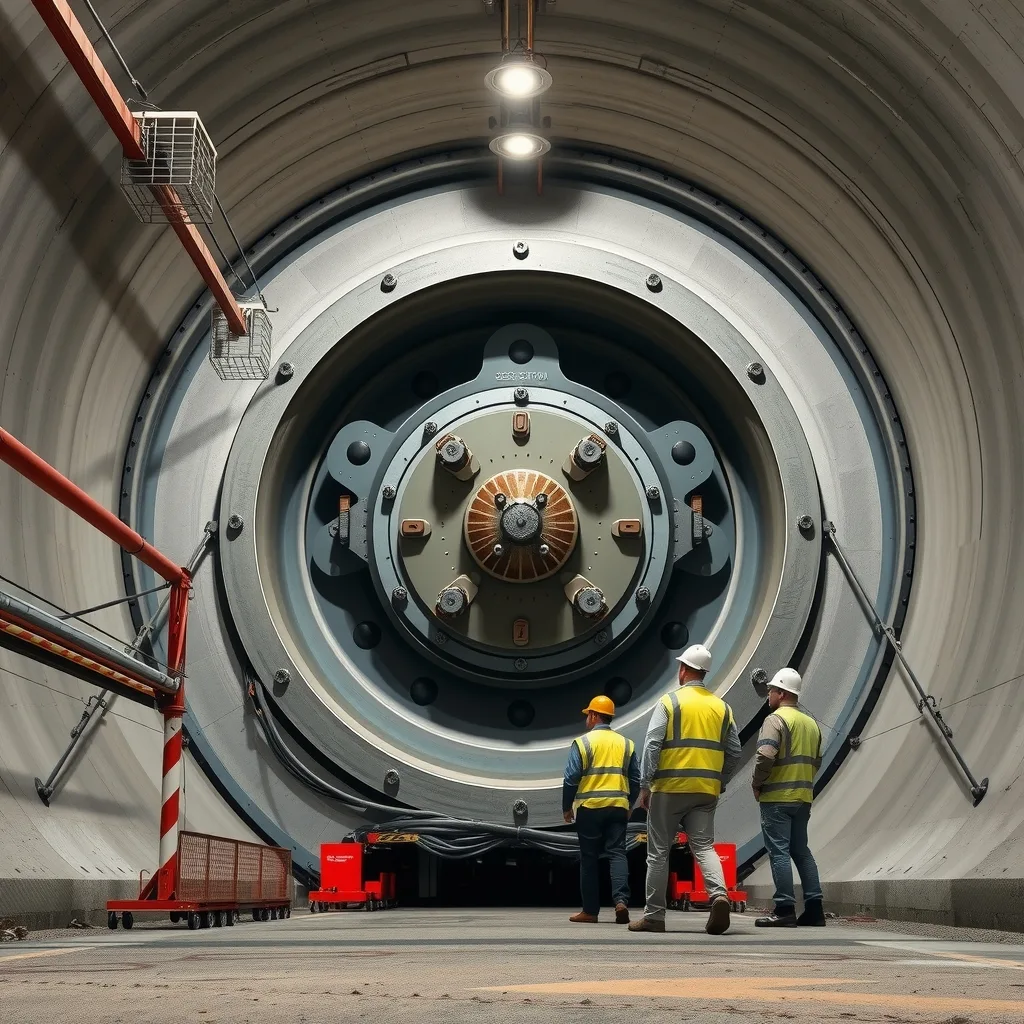

Three construction consortia have been shortlisted to draw up competing designs for about 35 kilometres of twin tunnels between Berowra and Ourimbah, the first major package of the proposed Newcastle to Sydney High Speed Rail. The same package covers the Central Coast High Speed Rail Station at Gosford, rail and station systems, and surface works along that stretch of corridor, and the tunnels are planned to be driven by tunnel boring machines.
The shortlist was reported by Inside Construction and confirmed in a media release from Infrastructure Minister Catherine King. The three groups are the Acciona John Holland Joint Venture; the Advanced Alliance Joint Venture, made up of Gamuda Engineering, FCC Construction Australia and Samsung C&T Corporation; and the GoFar Joint Venture, made up of CPB Contractors, Ferrovial Construction (Australia) and VINCI Construction Grands Projects Australia.
They’ve been picked through competitive tender to take part in an Early Contractor Involvement process for Area Package 1, which sits inside the project’s Development Phase.
Nobody’s been told to build anything yet
This is a design and pricing exercise, not a green light. Under the ECI model the three groups will be paid to develop competing designs rather than build to a finished government reference design, with payments capped at each stage and overall, newy.com.au reported. Each will produce designs, construction programs and final priced submissions, and draft contracts with preferred contractors then feed the federal investment decision.
The same report noted the shortlist isn’t approval to build the railway, and doesn’t cover the Newcastle end of the route.
No major construction contract gets awarded until the government’s decision-making process is finished. After that, one of the three would be picked by the High Speed Rail Authority to deliver the tunnelling and associated works for Area Package 1.
What the ECI phase is actually deciding
High Speed Rail Authority chief executive Tim Parker said the unknowns being nailed down in this phase are the ones that shape every downstream trade package.
“Our tunnelling and construction experts will now work with us to map out the best high-speed rail route between Newcastle and Sydney: things like the diameter of the tunnels we will build for Australia’s first high-speed trains, what kind of mega tunnel boring machines we need and how we build the first high-speed rail station at Gosford,” Parker said.
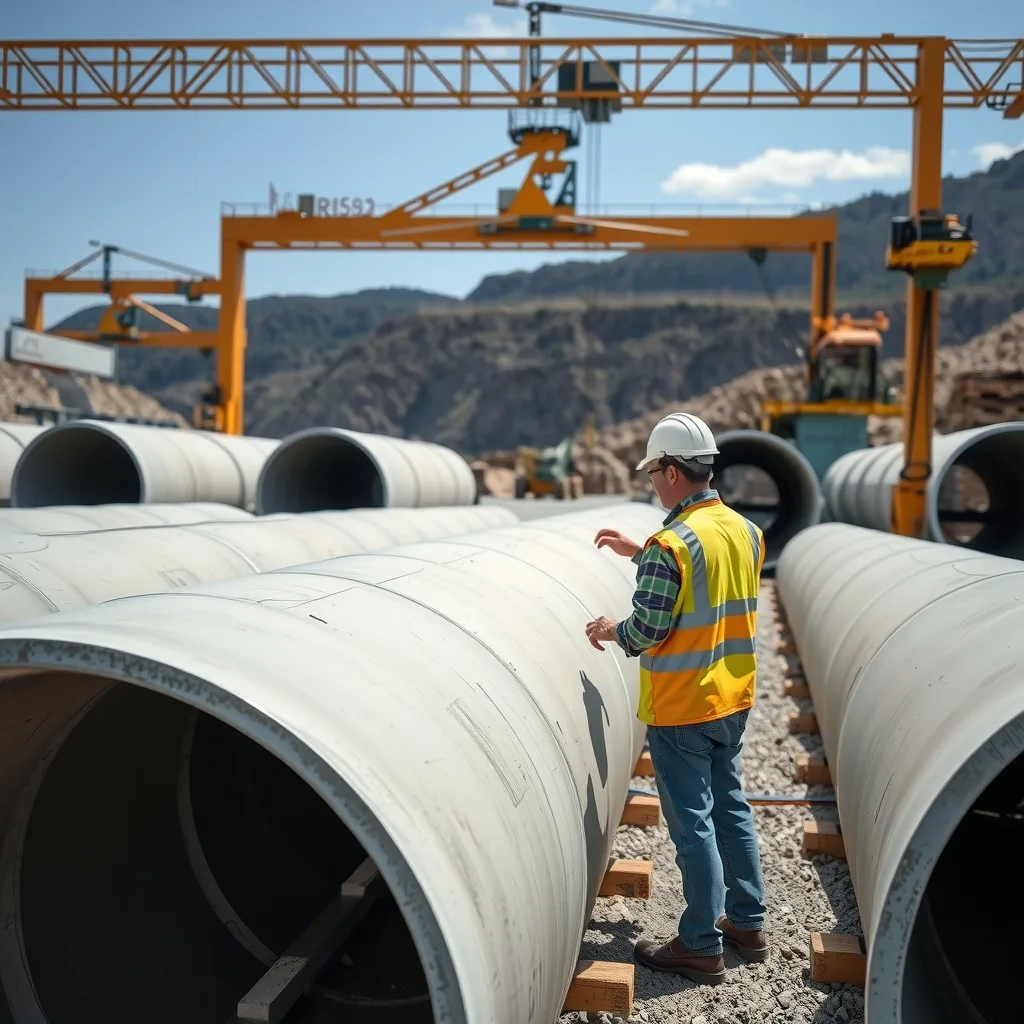
That list matters more than it sounds. Tunnel diameter sets the size of the precast concrete segments that line a bored tunnel, which sets the size of the casting yard, the moulds, the segment handling gear and the erector on the machine itself. Get the diameter decision and you’ve effectively sized a manufacturing operation, a logistics chain and a workforce for years.
Parker also pointed at the local talent pool the project expects to draw on. “Over the past 15 years, Australia has developed a world-class tunnelling industry with hundreds of kilometres of tunnels built here…” he said.
Alongside the tunnelling work, the consortia have been asked to build advanced manufacturing into their delivery plans. A proposed Advanced Manufacturing Facility would use automation, robotics and precision manufacturing to support delivery of the railway, and is pitched as creating skilled jobs and openings for Australian manufacturers and suppliers.
”Metre by metre”: the money and the politics
King framed the shortlist as deliberate pacing on a project that has been talked about for decades.
“We said we’d go metre by metre, and carefully plan the first stage of High Speed Rail between Newcastle and Sydney. That’s what we’re delivering with these new contracts,” King said.
The case she put is congestion. The roads between the two cities are choked and the existing rail line is running up against capacity, King said, which is why the planning work is being funded now. The proposed system would cut Newcastle to Sydney to about an hour, with Central Coast trips to either end taking roughly 30 minutes.
“I look forward to seeing what these three consortia come up with,” King said.
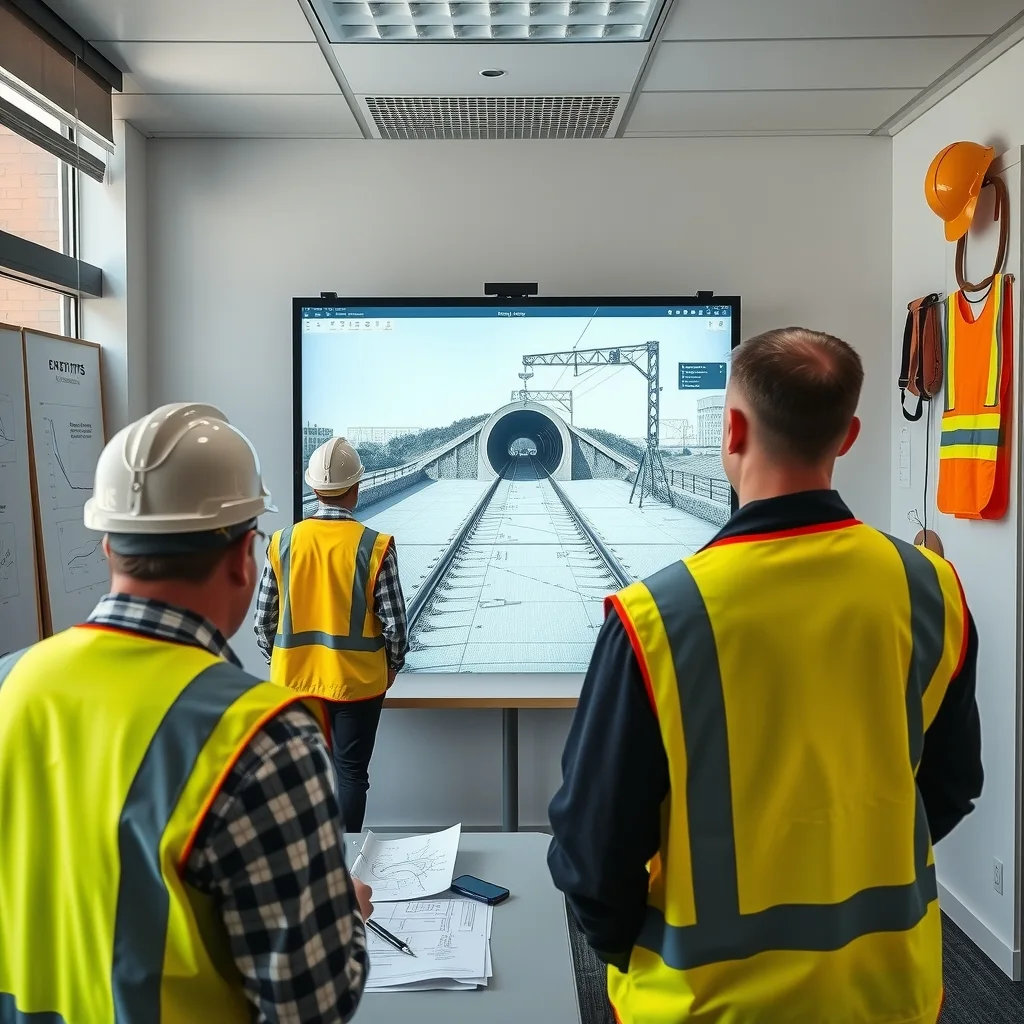
The number hanging over all of it is the price tag. That Newcastle to Sydney high-speed rail line has been reported as a $90 billion project, according to the Newcastle Herald on 17 August 2026. That figure hasn’t been confirmed against a published High Speed Rail Authority cost document, so treat it as a reported estimate rather than a budget line.
What it means if you’re pricing work off this
Not much, yet, and that’s the honest answer. The work created by this announcement over the next stretch is design-office work: tunnelling engineers, geotechnical crews, surveyors, estimators and planners inside three consortia and their design partners, all producing competing programs and priced submissions.
The on-the-tools sequence only starts after the investment decision. On a bored-tunnel job of this shape, the early site work is portals, acoustic sheds, site establishment, power and water in, and a segment casting yard standing up before the first machine is even assembled underground. Fitout, systems and station trades on the Gosford build sit years behind the first TBM launch.
Anything a subcontractor is told about start dates before that federal decision is a sales pitch, not a program.
Worth watching from here: whether the consortia’s priced submissions land inside the timeframes and cost envelope the Authority is chasing, when the Newcastle end of the corridor gets its own packaging, and whether the Advanced Manufacturing Facility ends up as a real Australian casting and fabrication operation or a line in a tender document.
Frequently asked questions
When will construction start on the Newcastle to Sydney high-speed rail tunnels?
Not yet. The three shortlisted consortia are only doing design and pricing work under an Early Contractor Involvement process; a build contract can’t be awarded until the federal government makes its investment decision.
Who are the three consortia shortlisted for the tunnel package?
They are the Acciona John Holland Joint Venture, the Advanced Alliance Joint Venture (Gamuda Engineering, FCC Construction Australia and Samsung C&T Corporation), and the GoFar Joint Venture (CPB Contractors, Ferrovial Construction Australia and VINCI Construction Grands Projets Australia).
How much will the Newcastle to Sydney high-speed rail project cost?
The Newcastle Herald has reported a $90 billion price tag, but that figure hasn’t been confirmed against a published High Speed Rail Authority cost document, so it should be treated as a reported estimate.
What work does this shortlist actually create right now?
For now it’s design-office work: tunnelling engineers, geotechnical crews, surveyors, estimators and planners inside the three consortia producing competing designs and priced submissions. On-the-tools construction only starts after the federal investment decision.
Sourced from Inside Construction, Minister for Infrastructure media release, newy.com.au, Newcastle Herald. Original article.