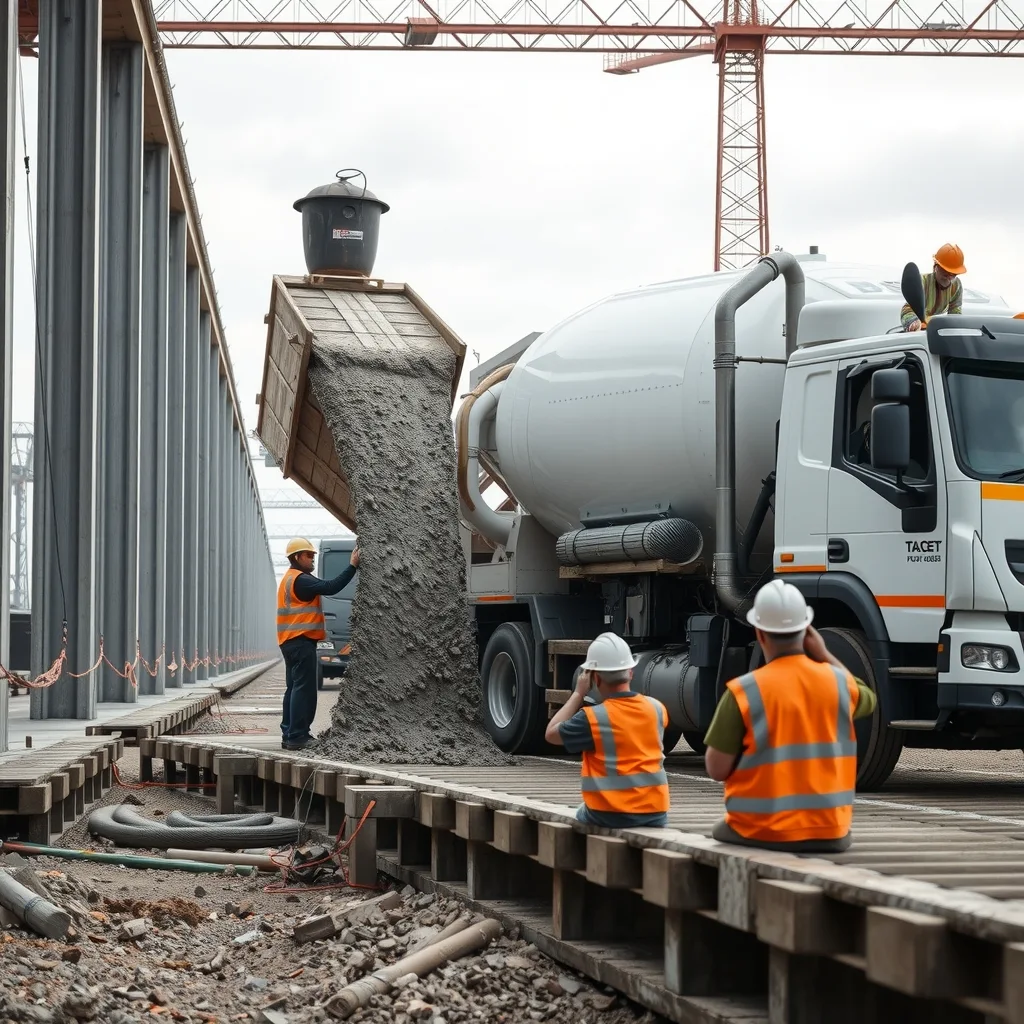

Cement Concrete & Aggregates Australia has set out six priority areas it says governments and the construction industry need to fix before lower-carbon concrete gets specified and poured at scale on Australian infrastructure jobs, with public procurement settings named as the biggest single lever.
The priorities come from a report titled Accelerating Market Demand for Lower-Carbon Concrete at Scale: Sustainable Procurement, Workshop Insights, reported by Inside Construction on 18 November 2026. It was developed after a CCAA workshop facilitated by consultancy Arup, which pulled together people from government, infrastructure agencies, construction, and the cement and concrete supply chain.
The report sets out six areas for coordinated action: stronger procurement signals, consistent carbon measurement and ratings, aligned policy and governance, improved carbon data, updated standards and specifications, and greater industry capability and confidence.
CCAA chief executive officer Michael Kilgariff said the supply side has largely done its bit and the problem now sits with demand.
“Many lower-carbon concrete solutions are available today. The challenge is increasingly about creating the market conditions that allow those solutions to be specified, procured and used more widely,” he said.
The handbrake is paperwork, not chemistry
The barriers the report lists are not technical ones. They’re fragmented requirements, inconsistent specifications, weak demand signals, rigid procurement processes and inconsistent carbon measurement.
Put plainly, that’s a list of tender documents and spec clauses. Different agencies ask for different things, measure carbon different ways, and leave the mix design boxed in by wording written years ago.
Kilgariff pointed at who writes most of those documents in this country.
“Government is one of Australia’s largest infrastructure procurers, which means procurement settings can be a powerful driver of change.”
What a spec change looks like on the slab
For anyone placing concrete, none of this arrives as a press release. It arrives as a line on the job spec and a docket off the agitator.
The mix a crew gets is whatever the engineer specified and the head contractor procured. Change the procurement rules on a state’s road and rail program and you change what comes down the chute on jobs years later, which is why the report’s focus on specifications and standards matters more to a concreting gang than the carbon talk around it.
That sixth priority, industry capability and confidence, is the one that lands squarely on the tools. The people batching, placing, screeding and finishing a mix need to know how it behaves on the day, and the report treats that confidence as something the sector still has to build rather than something it already has.
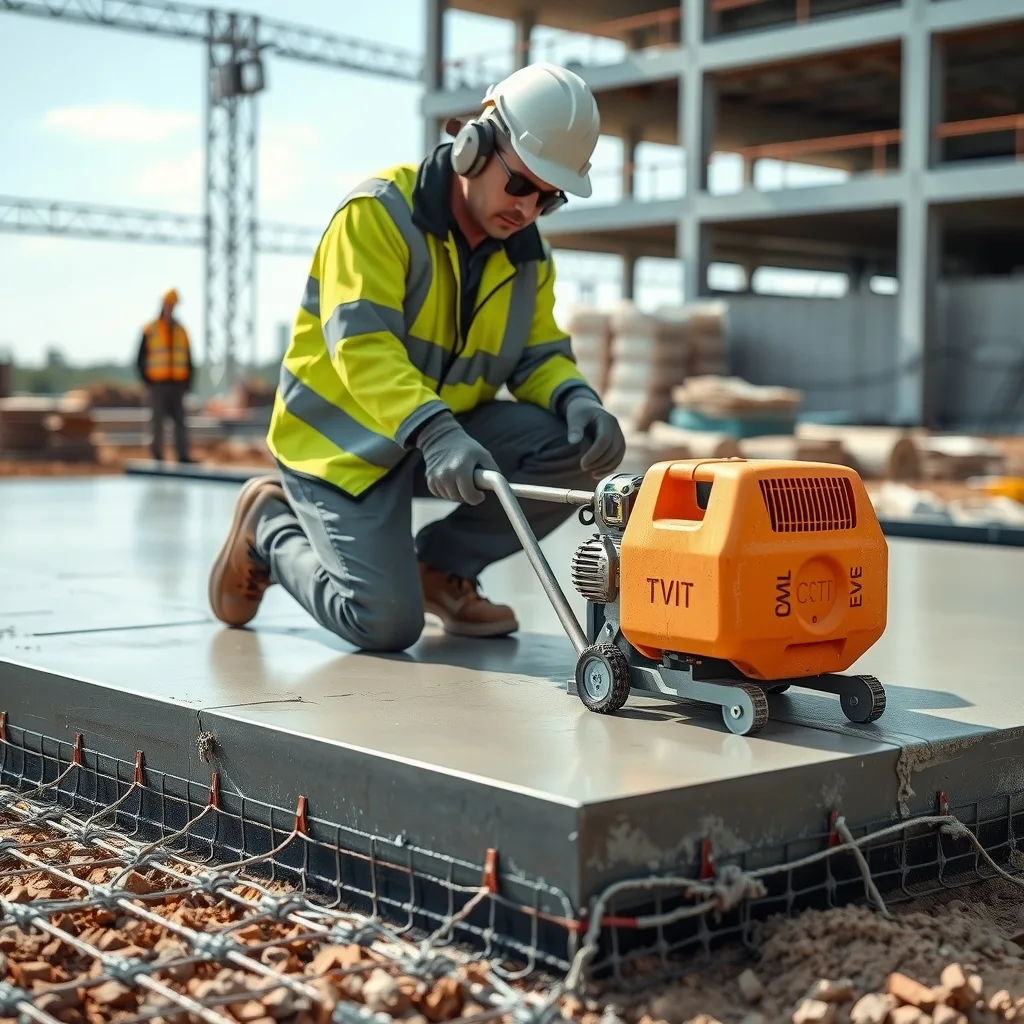
There’s a timing lesson in here too. Procurement reform moves through ministers’ meetings, policy documents and then tender templates, so a concreter weighing up another ute or another apprentice off the back of this is reading the wrong signal. The thing to read instead is the specification clause in the next government job you price.
The policy machinery already turning
CCAA says its findings support work underway through the Infrastructure and Transport Ministers’ Meeting, the Infrastructure and Transport Senior Officials’ Committee and Infrastructure NSW, all of which are working on sustainable procurement and cutting embodied carbon across the built environment. The ministers’ meeting sits under the federal infrastructure portfolio at infrastructure.gov.au.
Kilgariff said the gains depend on those bodies landing in the same place rather than each going their own way.
“Important work is already underway across governments and infrastructure agencies to strengthen sustainable procurement. The opportunity now is to build on that progress and ensure government and industry are moving together towards practical, nationally consistent approaches,” he said.
“CCAA stands ready to work with governments, infrastructure agencies and the broader construction sector to help make that happen.”
What to watch
The test isn’t the report. It’s whether the six areas turn into specification wording that reads the same in Sydney as it does in Perth, because a batching plant running one set of approved mixes is a cheaper plant than one running five.
If you’re pricing government infrastructure work over the next couple of years, the clauses worth a close read are the ones covering mix design approval, carbon reporting and any ratings scheme the agency names. That’s where this shows up first, long before it shows up in the back of a truck.
This story is based on CCAA’s own announcement as reported by Inside Construction. The full report has not been independently reviewed by Blue Collar News.
Frequently asked questions
What’s stopping lower-carbon concrete from being used more on Australian job sites?
CCAA’s report says supply isn’t the problem. Fragmented procurement requirements, inconsistent specifications and inconsistent carbon measurement across government agencies are what’s holding back wider use.
What are the six priority areas CCAA identified?
Stronger procurement signals, consistent carbon measurement and ratings, aligned policy and governance, improved carbon data, updated standards and specifications, and greater industry capability and confidence.
Who put the CCAA report together?
It followed a CCAA workshop facilitated by consultancy Arup, bringing together government, infrastructure agencies, construction firms and the cement and concrete supply chain.
Sourced from Inside Construction. Original article.