
Australia’s peak union body wants a number written into national work health and safety law: at 35°C, work gets modified or it stops. Employer groups say a fixed temperature ignores how a site actually runs, and the Master Plumbers Association of NSW has branded the proposal an “economic handbrake” on construction and infrastructure delivery. Caught in between are residential tradies and apprentices who, on most jobs today, just work through.
The debate is set out in Plumbing Connection, which canvassed the Australian Council of Trade Unions, an occupational physician, employer bodies and a bloke on the tools. The ACTU is calling for rules that would require work to be stopped or modified when temperatures reach dangerous levels, including defined thresholds such as 35°C. The proposal has picked up backing from the Australian Medical Association, Australian Red Cross, the Australian Nursing and Midwifery Federation and Sweltering Cities.
ACTU president Michele O’Neil put the union case bluntly.
“No worker should be told to push through the brutal heat and risk their own life,” she said. “When it’s dangerously hot, your boss should either change your work or stop your work.”
Union site at 35°, residential site at 40 and over
Whether you get to down tools already depends less on the thermometer than on which gate you walked through that morning.
Carpentry labourer Ben Stephenson told Plumbing Connection the split is stark. “On union sites, stopping work for the day at 35° is a real thing, but a lot of residential tradespeople or apprentices don’t have the luxury of just going home because it’s hot. We work through upwards of 40° and over, and it’s a very common thing in the Australian construction industry,” he said.
The pressure, he said, is rarely about capacity. It’s about the program. “You can only really work for so long before you have to have a break or get a drink. It obviously slows work down the job a bit, but depending on how important the job is or how much of a time crunch you’re under, you just have to keep going,” Stephenson said.
“Especially for jobs or trades that aren’t unionised or aren’t on union sites, where they have rules and regulations as to when you can knock off. In lots of residential sites, it’s very common just to work through and suck it up.”
That gap is the whole argument. A commercial job with a heat clause has a call made for you. A two-storey knockdown rebuild with a fixed-price subbie and a lock-up date has whoever’s holding the nail gun making the call for themselves.
Where the body starts losing the fight
Occupational physician Dr Farhan Shahzad said the risk curve starts well below the number the unions are chasing.
“Health risks for workers performing physical labour begin to increase noticeably from around 30°C, particularly when humidity is moderate to high or there is direct sun exposure. Risk rises more significantly above 35°C, where even healthy, acclimatised workers may struggle to maintain a safe core temperature during sustained physical activity,” he said.
Humidity is the part that catches people out, because the air temperature reading doesn’t move but the cooling system does. “High humidity reduces the evaporation of sweat, which is the body’s primary cooling mechanism. Even if a worker is sweating heavily, the sweat does not evaporate effectively, so heat remains trapped, increasing the risk of heat exhaustion and heat stroke at relatively lower temperatures,” Dr Shahzad said.

He also flagged the damage that doesn’t show up at knock-off. “Not only are there heat-related risks, but UV exposure can lead to various skin cancers that can be life-threatening. Dehydration, fatigue and impaired concentration also increase the risk of workplace accidents and injuries,” he said, adding that prolonged exposure can strain the cardiovascular and renal systems in physically demanding jobs.
The early signals are ordinary enough to miss on a hot day: heavy sweating, fatigue, dizziness, headache, nausea, cramps, and reduced concentration or irritability. The escalation isn’t ordinary at all. “Heat stroke is a medical emergency and includes loss of coordination, confusion, becoming agitated, collapsing, dry or clammy but hot skin and loss of consciousness,” Dr Shahzad said.
Think about where that drop in concentration lands on a real day. It’s the bloke on the drop saw at 2pm, the apprentice on the ladder, the second-fix electrician working off a step in a roof space with the aircon not commissioned yet.
”Simply false”: the industry pushback
Employer groups don’t dispute that heat is a hazard. They dispute that a single number is the way to manage it.
MPA NSW chief executive Nathaniel Smith said the proposal misreads how sites function. “At a time when Australia desperately needs more homes built, more infrastructure delivered and more apprentices trained, the ACTU is pushing a rule that deliberately shuts down work regardless of risk, controls or common sense,” he said.
His argument is that temperature alone doesn’t describe the risk. Humidity, workload, radiant heat and the controls already required by law all move the dial, and a plumber running PEX in a shaded subfloor is not doing the same job as a roof plumber on a north-facing sheet at midday.
“The idea that workers are unprotected unless everything stops at 35°C is simply false,” Smith said.
What the law already asks of a boss
Under Australia’s model work health and safety laws, Safe Work Australia already treats heat as a hazard that has to be actively managed. Employers must ensure workers aren’t exposed to risks “so far as is reasonably practicable”, and the recommended controls are unglamorous and mostly free: more air movement with fans, cooling systems, isolating workers from heat sources, mechanical aids to cut the physical load, and rescheduling work to the cooler parts of the day. Exposure time is treated as a key factor in its own right.
Safe Work Australia isn’t a regulator, so how that plays out on your job depends on your state’s WHS regulator. If you’re pricing summer work, that’s the body to check with, not the internet.
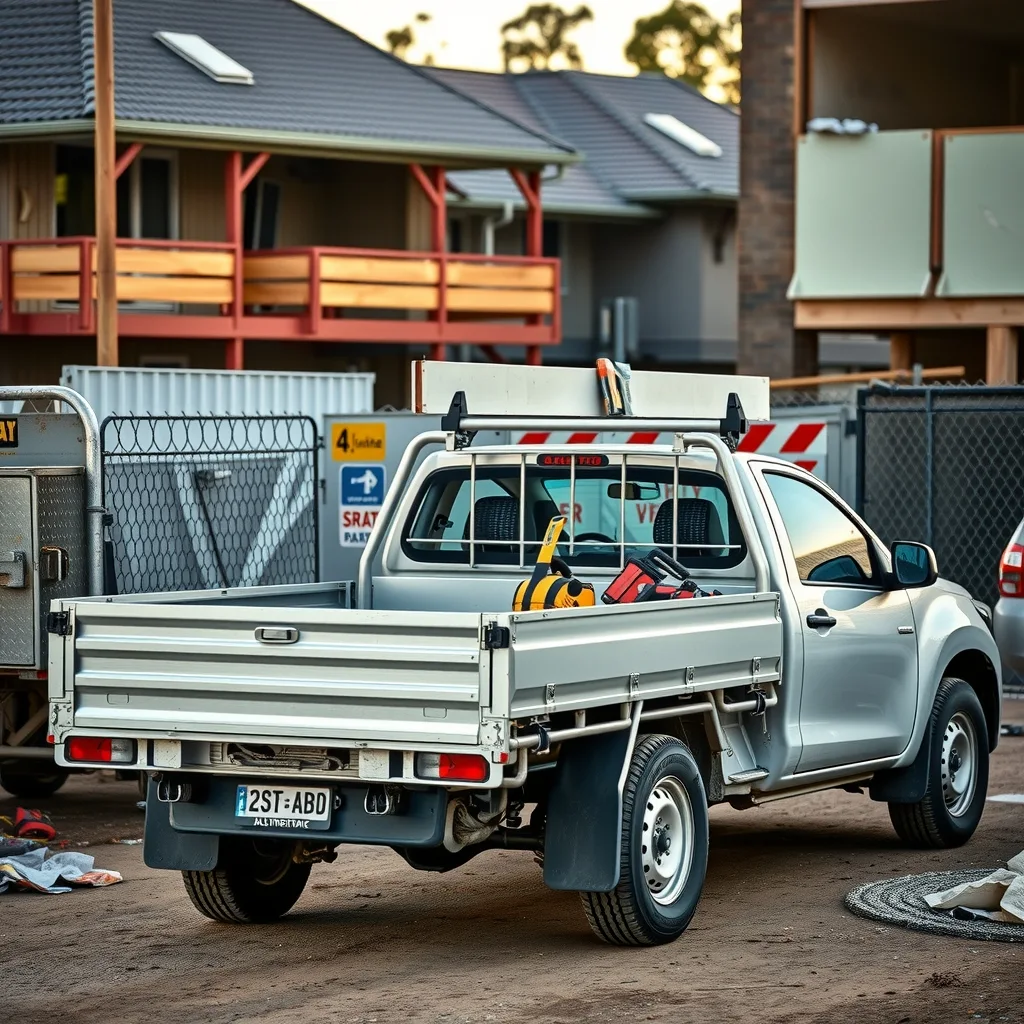
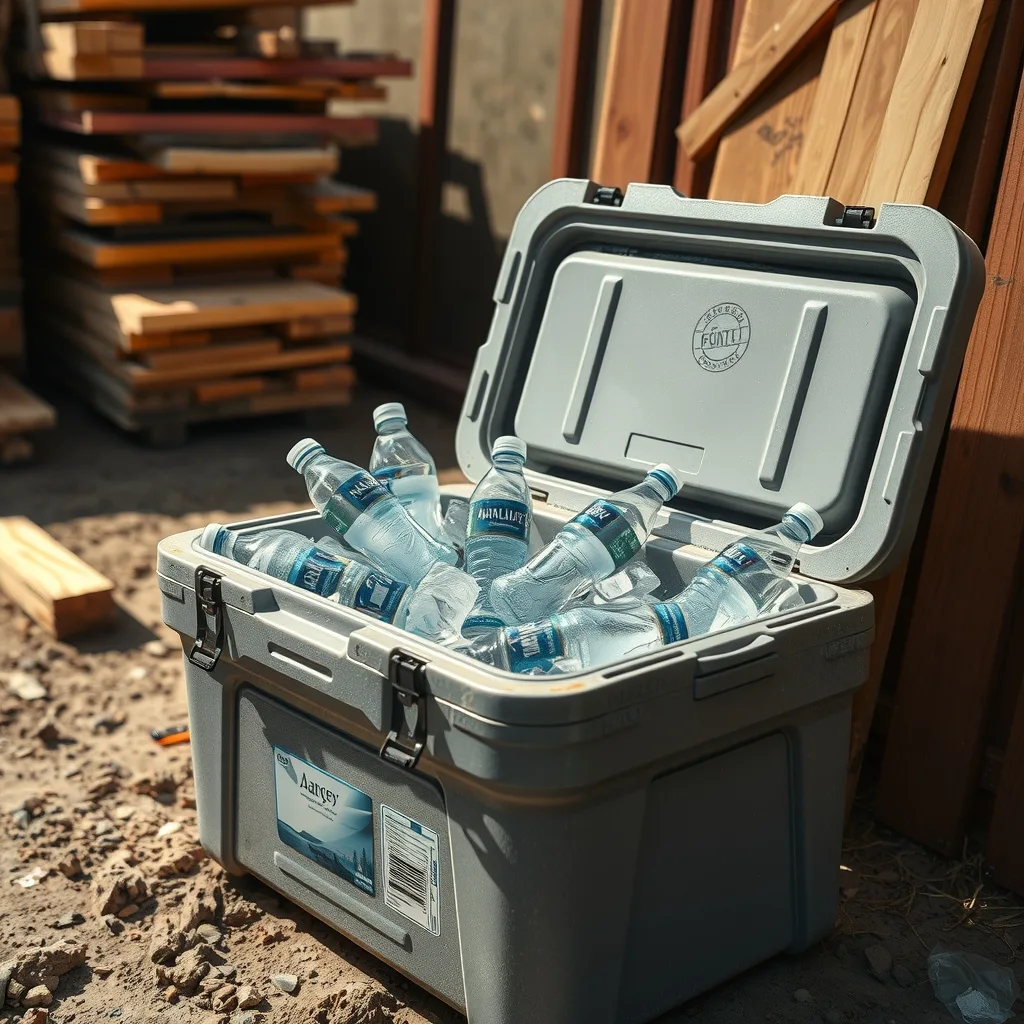
On a lot of houses, though, the system is a bloke and an esky. “There are not really any structured safety measures apart from keeping yourself hydrated. It’s just common sense and being logical about not overexerting yourself,” Stephenson said.
What actually changes on the tools
The practical answer most crews have already landed on isn’t stopping. It’s shifting the day.
“We try to get most of the work knocked over before it gets too hot. So, if it’s going to be peak heat at like 2:00pm or 3:00pm, we’ll push through in the morning, maybe have a later lunch and then knock off earlier,” Stephenson said. Preparation carries the rest of it: “As long as you’re prepared, bring plenty of water, maybe frozen bottles or sports drinks, you can get through it. You get used to it after a few hot weeks.”
But he’s clear-eyed about who decides. “It’s the system of what the boss says goes. You’re at the mercy of your boss and how much stress or pressure he’s under. Even if he just wants to work, you have to go with it,” he said.
Dr Shahzad expects the work itself to be redesigned around the weather rather than the clock. “There may be more interest in redesigning the workplace, such as PPE for workers, addressing climate-appropriate work, such as ensuring work is done during cooler hours instead of a typical 9-5 role,” he said. “Working during cooler hours, taking regular breaks, monitoring symptoms and ensuring hydration… training staff to identify heat-related illnesses is a must.”
For anyone quoting jobs into next summer, that’s the thing to watch. If early starts and heat-affected days become an expectation rather than a favour, they belong in the program and the price, not in the goodwill of whoever’s holding the risk. And if you’re running the crew, the cheapest control on Safe Work Australia’s list is still the one nobody argues about: move the heavy work to the morning and get the roof and slab jobs done before the steel starts throwing it back at you.
Frequently asked questions
Is there a legal maximum temperature for working outdoors in Australia?
Australia’s model work health and safety laws don’t set a fixed temperature. They require employers to manage heat as a hazard so far as is reasonably practicable, using controls such as fans and cooling systems, isolating workers from heat sources, mechanical aids and rescheduling work to cooler parts of the day.
What is the ACTU actually proposing?
The ACTU wants rules requiring work to be stopped or modified when temperatures reach dangerous levels, including defined thresholds such as 35°C. The proposal is backed by the Australian Medical Association, Australian Red Cross, the Australian Nursing and Midwifery Federation and Sweltering Cities.
At what temperature does heat become risky for physical work?
Occupational physician Dr Farhan Shahzad says health risks for workers doing physical labour begin to increase noticeably from around 30°C, particularly with moderate to high humidity or direct sun, and rise more sharply above 35°C.
Who enforces heat rules on my site?
Safe Work Australia writes the model laws but isn’t a regulator, so enforcement depends on your state or territory WHS regulator. That’s the body to check with before pricing summer work.
Sourced from Plumbing Connection, Safe Work Australia. Original article.