
Charles Darwin University will run a 12-month pilot connecting Darwin businesses, builders among them, with schools, community gardens, artists and social enterprises that can take surplus materials before they hit the tip. The Darwin Business-to-Community Material Matchmaking (BCMM) program is funded through the City of Darwin’s 2026/27 Environment and Climate Change Grants, and aims to divert between 1,000kg and 2,000kg of material from landfill, sign up as many as 20 local businesses and broker more than 50 matches between donors and recipients.
The program was reported by Inside Construction, which says it will launch later this year. It’s being led by CDU senior lecturer in business Dr Michael Odei Erdiaw-Kwasie and CDU outstanding future researcher in psychosocial resilience Dr Matthew Abunyewah.
The stuff that goes in the skip anyway
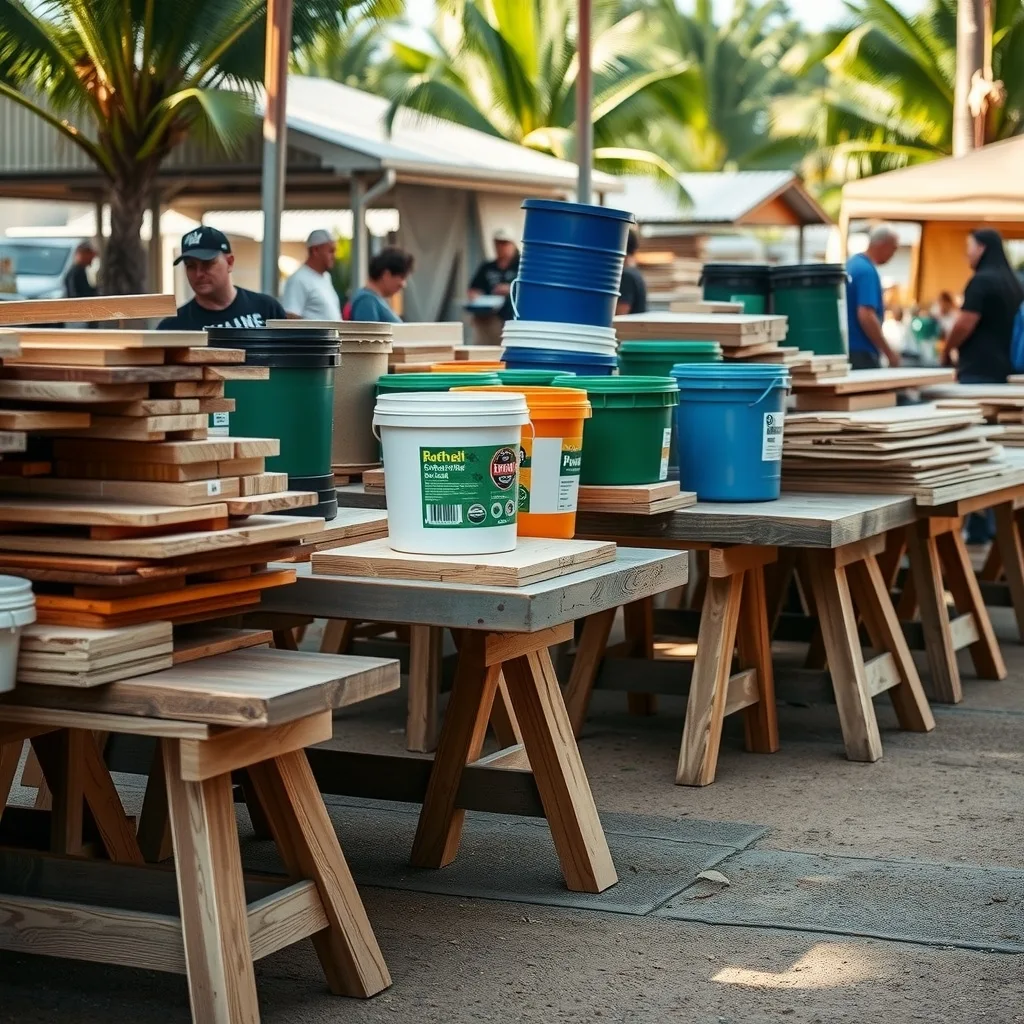
The list of materials the pilot is chasing will be familiar to anyone who’s cleaned up a site on a Friday afternoon.
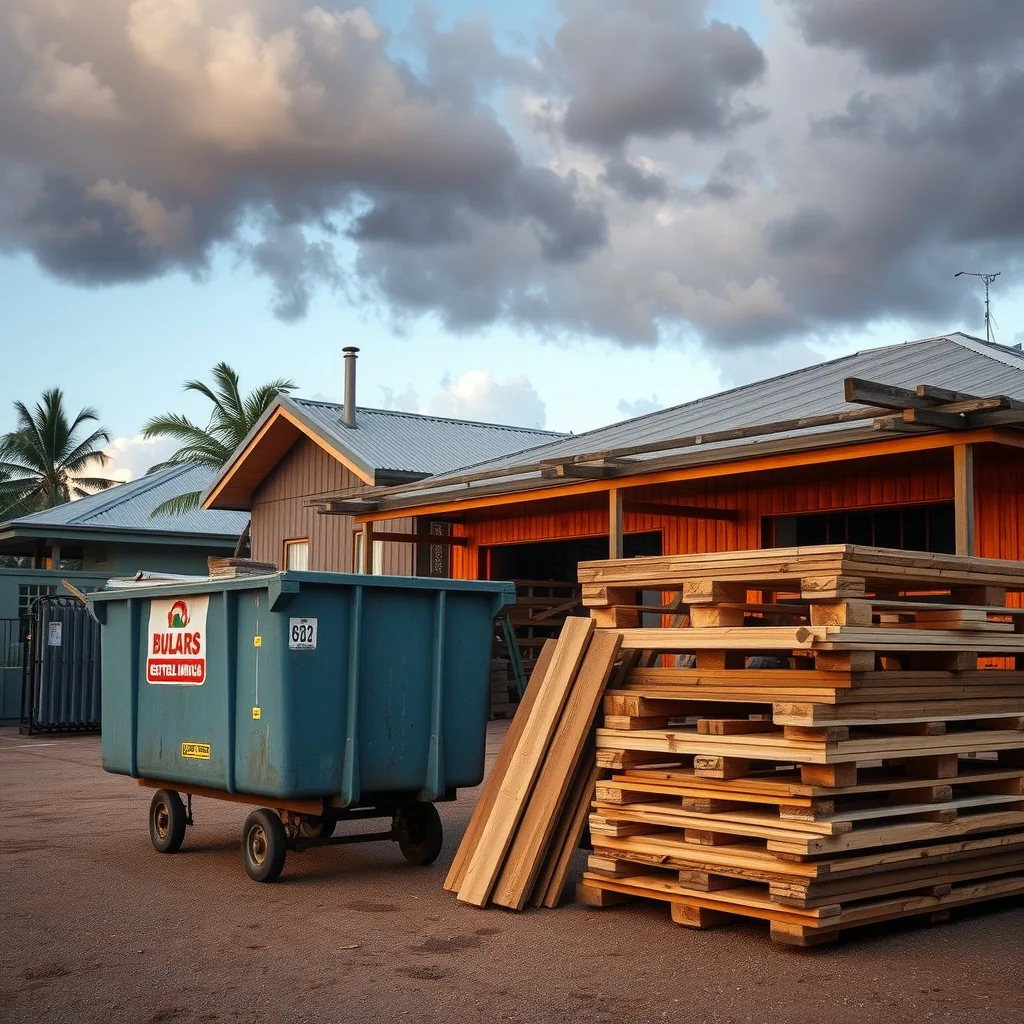
“Many businesses regularly end up with materials they no longer need, such as timber offcuts, packaging, pallets, fabric, display items, containers and other surplus goods. Often these items still have value, but because there is no simple way to pass them on, they are thrown away,” said Dr Erdiaw-Kwasie.
He said community groups are hunting for exactly that sort of material for creative projects, repairs, education activities, gardening and fundraising, and that the pilot is meant to close the gap between the two.
“This project brings those two needs together in a simple and practical way.”
The mechanics are deliberately low-tech. Businesses list what they’ve got on a BCMM digital noticeboard, community groups browse it, and the program runs regular pop-up swap events at CDU’s Danala Education and Community Precinct where material changes hands and attendees get taught the reuse, repair and recycling side of it.
Dr Abunyewah said the flow-on ran well past the loading dock.
“Schools may use donated materials for student projects. Community gardens may access building materials or containers. Repair groups and makerspaces may find items they can transform into useful products,” said Dr Abunyewah.
“Charities and social enterprises may also be able to use materials to support their programs or generate income. In this way, the project turns what was once surplus into a local resource that supports creativity, participation and community resilience.”
Two tonnes against 200,000
Here’s the scale problem, and it’s worth being straight about it. The Shoal Bay Waste Management Facility, the only licensed landfill in Greater Darwin, accepts more than 200,000 tonnes of waste and recyclable material a year, and construction and development contributes 15.8 per cent of it, according to the City of Darwin’s Waste and Resource Recovery Strategy. Commercial and industrial activity accounts for another 43.9 per cent.
Against that, a pilot ceiling of two tonnes is a rounding error. Nobody’s pretending otherwise. What the 12 months is actually testing is whether the matching works at all: whether a builder will bother listing a pallet of clean offcuts, whether a school will turn up for it, and whether the two can be lined up without three phone calls and a wasted trip.
If it stacks up, the researchers will produce an operations manual and a sustainability plan so the model can be handed to other councils rather than rebuilt from scratch. That’s the part worth watching if you’re operating in Cairns, Townsville or Alice Springs.
What it means on the tools
For a small builder or a fitout crew, waste isn’t only a tip docket. It’s the skip sitting in the driveway eating a car space, the ute run at the end of a job, and the hour of someone’s day it takes to load and unload. Dr Erdiaw-Kwasie said the program supports a more circular economy while helping businesses cut disposal costs.
The catch is the sorting. A mixed skip is quick to fill and worth nothing to anyone downstream. Clean, stacked, dry material is what a school or a community garden can actually use, and separating it out is real labour that lands on someone, usually the apprentice at knock-off. Any crew thinking about listing on the noticeboard should work out where that material gets stacked on site and who’s responsible for it, before signing up to a pickup window.
The items likeliest to move are the ones already sitting in the yard doing nothing: hardwood offcuts too good to bin, timber pallets, IBC drums and buckets, packaging cardboard, offcut sheet and shade cloth, and display or joinery stock left over from a shop fitout. None of it is worth carting to a recycler on its own. All of it is worth something to a makerspace.
Getting in early
Registration details, the digital noticeboard and the date of the first pop-up swap event are all due at the launch later this year. In the meantime, businesses and community organisations can register interest by contacting the two program leads at CDU, michael.erdiaw-kwasie@cdu.edu.au and matthew.abunyewah@cdu.edu.au.
The number to keep an eye on isn’t the tonnage. It’s the 50 matches. If a Darwin builder can list a pallet stack on a Tuesday and have it gone by Thursday, the model travels. If listings sit there for a month, it doesn’t, and the skip wins again.
Frequently asked questions
How can Darwin businesses take part in the BCMM pilot?
Businesses and community organisations can register interest now by emailing the two program leads at CDU, michael.erdiaw-kwasie@cdu.edu.au and matthew.abunyewah@cdu.edu.au. Registration details and the digital noticeboard go live at launch later this year.
What kind of materials is the program after?
Timber offcuts, packaging, pallets, fabric, display items and containers, the kind of surplus that businesses regularly end up with but have no simple way to pass on, according to Dr Erdiaw-Kwasie.
How much waste is the pilot aiming to divert?
Between 1,000kg and 2,000kg over 12 months, with a target of signing up 20 local businesses and brokering more than 50 matches between donors and recipients.
Sourced from Inside Construction. Original article.