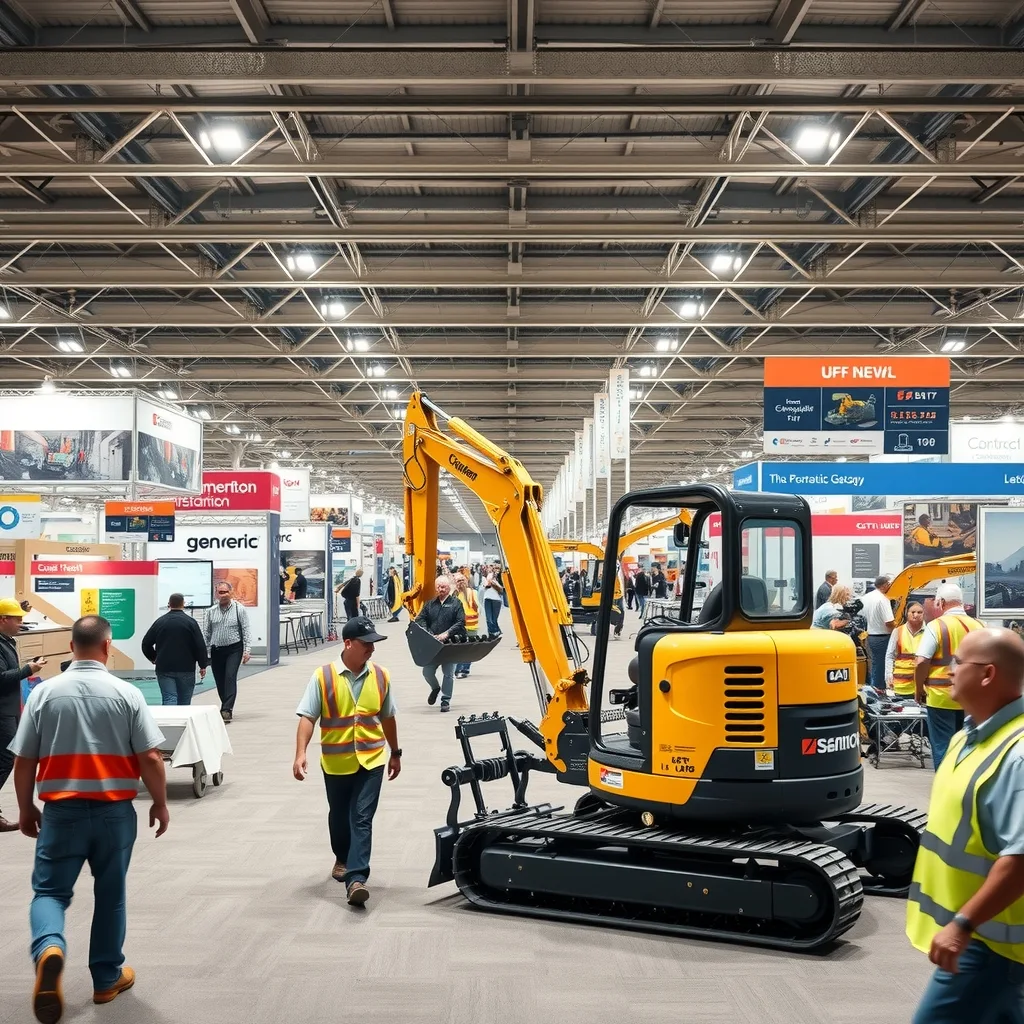

Converge Expo returns to the Melbourne Convention and Exhibition Centre on 15 and 16 September 2027, with organisers cutting back its remit to the major civil and commercial projects that carry most of Australia’s construction workload. The two-day show launched with a broad brief across the whole industry. The 2027 edition drops that in favour of major-project delivery, direct contractor access and a lot more floor space set aside for people to actually talk to each other.
Trade title Inside Construction set out the changes, including a new Contractor Hub and the first three association partners signed up for the event.
A floor plan built around who’s doing the hiring
The Contractor Hub is the headline addition. Rather than leaving suppliers to hunt down head contractors between stands, the hub puts participating contractors in one place on the expo floor, with exhibitors and attendees given access to their upcoming work, project requirements and workforce needs.
Contractors in the hub will be able to meet potential suppliers, size up new capabilities and talk to prospective employees. For a subcontractor or a plant hire outfit, that’s the part worth the diesel to Melbourne. Getting onto a tier-one panel on a major civil job rarely happens through a tender portal cold. It happens because someone on the delivery side already knows your name, your capacity and whether you turn up. A hub that puts those people behind a table for two days is a shortcut to that conversation.
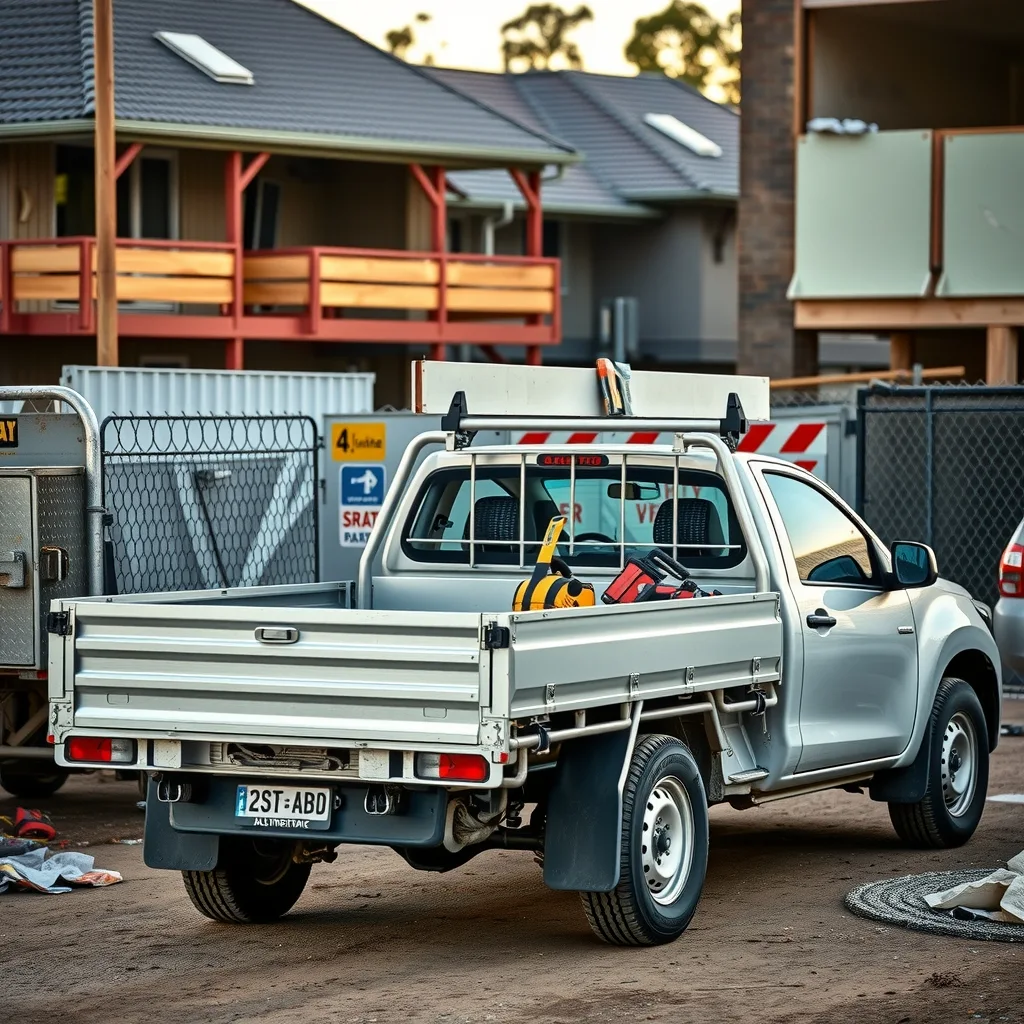
The flip side is lead time. September 2027 is still the better part of a year away, and the work being discussed there won’t hit anyone’s order book that week. If you’re deciding whether to put on another apprentice or finance a second ute, this is a planning event, not a cash-flow one.
$242 billion of work, and not enough hands for it
Australia’s five-year major public infrastructure pipeline has reached $242 billion, according to Infrastructure Australia’s 2025 Infrastructure Market Capacity report.
That’s the number the whole pitch rests on. The same agency projects the infrastructure workforce shortage could reach 300,000 workers by 2027, with regional areas under the most pressure. Anyone who has tried to crew up a job outside a capital city in the last two years already knows how that feels on the ground.
Costs aren’t easing either. National business-as-usual escalation is forecast at 5.5 per cent for building and 5.1 per cent for infrastructure in 2026, according to the June 2026 Australian Construction Market Conditions report by WT. For a small outfit pricing work that gets built two years after the quote goes out, that forecast is the argument for a rise-and-fall clause rather than a flat fixed price, because the gap between what you quoted and what the materials cost when you order them is where the margin disappears.
Inside Construction also points to weak productivity growth, longer and more complex delivery programs, tight supply-chain capacity and geopolitical instability affecting procurement and materials. Contractors are reacting by changing how they plan, procure and deliver, and by chasing new capabilities, better supply-chain relationships and skilled workers.
Concrete, precast and women in trades sign on first
Three industry bodies have been confirmed as the first association partners.
Cement Concrete & Aggregates Australia brings advocacy, sustainability, technical standards, resource security, logistics and workforce development to the event. CCAA chief executive Michael Kilgariff said the expo gives the heavy construction materials sector access to contractors, developers and decision-makers on future infrastructure and construction projects.
“As demand for housing, roads, energy and major infrastructure continues to grow, events like Converge help strengthen collaboration across the construction materials supply chain,” Kilgariff said.
Empowered Women in Trades returns as a partner, focused on women and non-binary people in skilled trades. EWIT general manager Melinda Davis said the event will help drive change across the sector.

“Every conversation has the potential to spark a new partnership, and at EWIT, we know it truly takes a village,” Davis said.
National Precast Concrete Association Australia will bring the view from precast manufacturers and suppliers. Chief executive Cadell Taye said the association backs the expo because “meaningful industry change happens when the right people come together”.
“It’s an opportunity to exchange ideas, strengthen relationships and showcase the practical innovations that will help deliver Australia’s next generation of infrastructure more efficiently and sustainably,” Taye said.
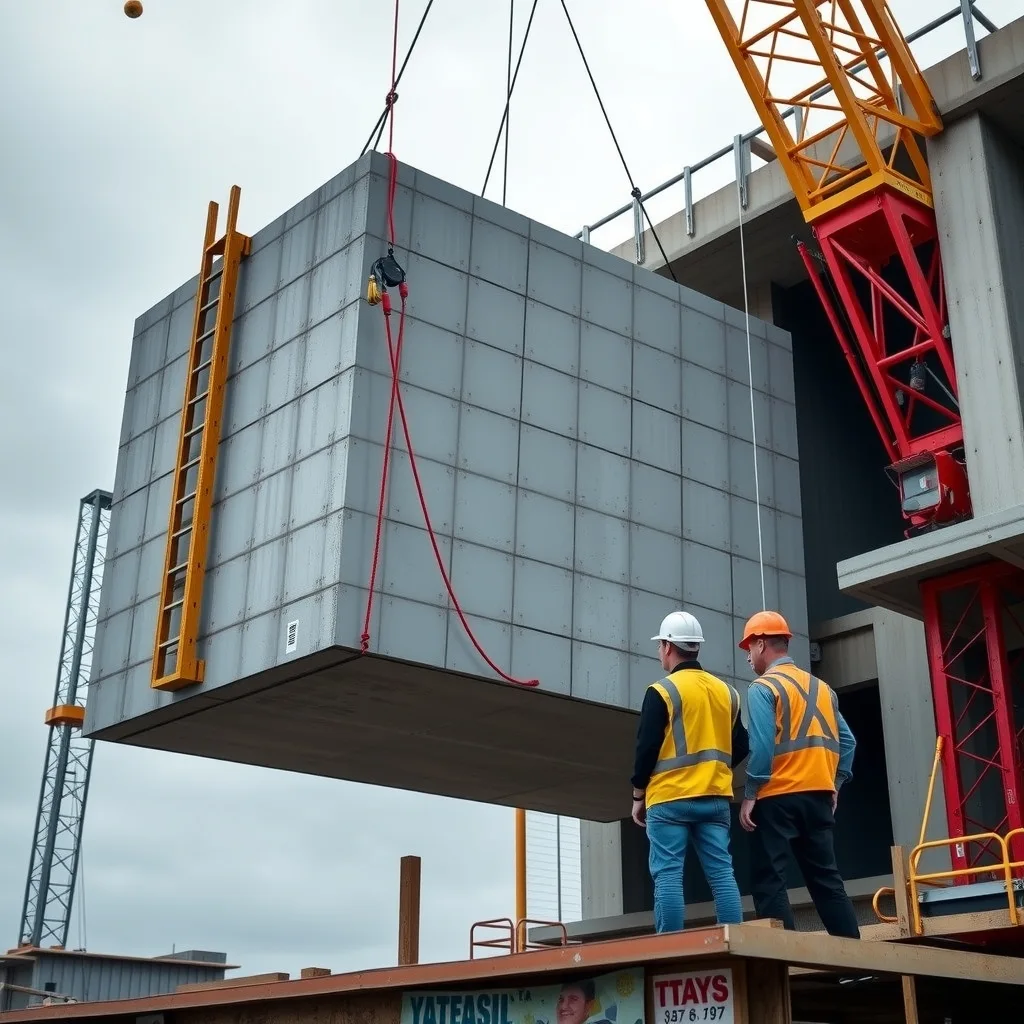
Precast is a telling partner for a major-projects pivot. Panels, culverts, tunnel segments and bridge beams get poured in a yard and craned in, which shifts labour off the critical path on site and into a factory. On programs running long and tight, that’s the sort of sequencing decision head contractors are making earlier and earlier.
What to watch between now and September 2027
More partners, initiatives and event news are due over the coming months, organisers say, with details at convergeexpo.com.au.
The thing worth tracking isn’t the venue or the dates. It’s which contractors actually commit to the Contractor Hub. Two days off the tools in Melbourne pays for itself if the people running the jobs you want are sitting on the other side of the table, and doesn’t if they aren’t.
Frequently asked questions
When and where is Converge Expo 2027?
Converge Expo returns to the Melbourne Convention and Exhibition Centre on 15 and 16 September 2027.
What is the Contractor Hub at Converge Expo?
It’s a dedicated area on the expo floor where participating contractors share their upcoming work, project requirements and workforce needs, so suppliers and jobseekers can approach them directly.
How big is Australia’s infrastructure workforce shortage?
Infrastructure Australia’s 2025 Infrastructure Market Capacity report projects the shortage could reach 300,000 workers by 2027, with regional areas under the most pressure.
How much is Australia’s major infrastructure pipeline worth?
Infrastructure Australia puts the five-year major public infrastructure pipeline at $242 billion, the figure behind Converge Expo’s major-projects pivot.
Sourced from Inside Construction, Infrastructure Australia, WT. Original article.