
Construction lost 2,600 working days to industrial disputes in the June 2026 quarter, according to ABS industrial dispute data, and Master Builders Australia has used the release to push for a set of clauses to be stripped out of the industry’s enterprise agreements. The employer association says construction productivity has fallen 21.5 per cent over the past decade, the biggest decline of any major sector.
The figures were published in a Master Builders Australia statement on 9 September, tying the dispute data to last week’s national accounts, which the association says show productivity across the economy has continued to flatline. Both data sets come from the Australian Bureau of Statistics. It doesn’t show the working behind its productivity calculation.
The build-time number is the one that bites
Forget the dispute tally for a second. The figure with teeth in this release is the build clock: Master Builders says it now takes 11.49 months to put up a detached home, against 8.79 months before the pandemic.
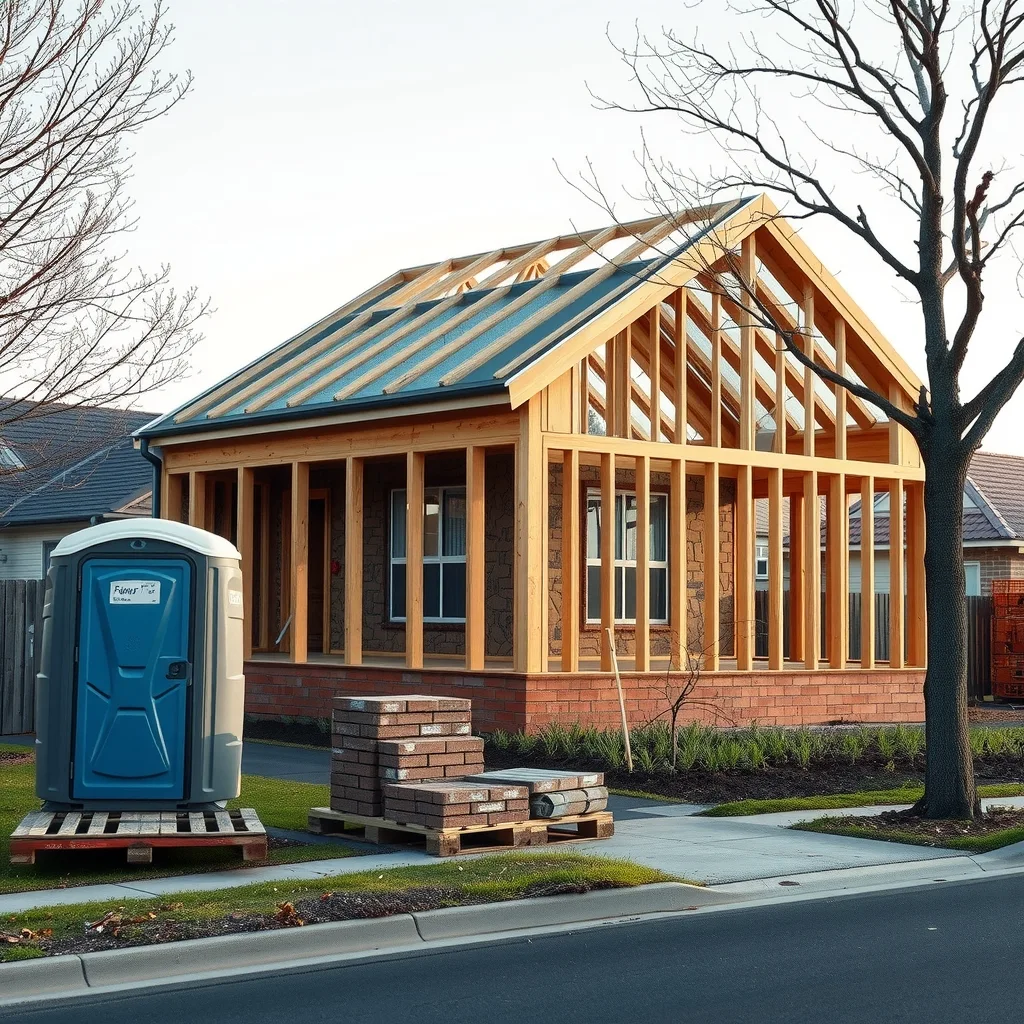
That’s nearly three extra months per house. For a builder running four or five homes at a time, it changes everything about how the year works: how long progress claims stretch out, how long the site fencing and portable toilet hire sit on the job, how many slabs you can realistically pour in twelve months.
It lands on subbies too. A frame crew booked for a Monday that slips a fortnight has to find fill-in work or eat the gap, and the further down the sequence you sit, the worse the slippage compounds. Fixers, plasterers, tilers and the fitout trades wear the accumulated delay of everyone ahead of them.
Master Builders wants clauses out of agreements
Master Builders Australia CEO Denita Wawn said lifting productivity needs a rebalancing of industrial relations settings, alongside cutting unnecessary regulation, improving investment confidence, strengthening tax incentives and dealing with workforce shortages.
“Productivity-destroying clauses in enterprise agreements must be removed from the industry, as called for in Master Builders’ six-point plan to address poor conduct in the sector,” Wawn said.
She named two targets. “Examples of these productivity-hampering clauses include those that limit flexibility in Rostered Days Off or essentially give unions veto power over subcontractor selection.”
And she tied it back to price:
“Every restriction ultimately adds to costs, delays projects and puts further pressure on housing affordability.”
Wawn said.
The two clauses she picked out are the ones that show up most often in commercial site arguments. An RDO calendar written into an agreement fixes the shutdown days in advance, which is tidy for planning a year but awkward when a wet fortnight in June means the crew wants to work a scheduled Friday off to claw back program. Clauses touching subcontractor selection go to who gets on the job at all, which is the difference between a quote and an order for a small firm.
Worth remembering: an enterprise agreement is signed by an employer as well as a union. Any clause Master Builders wants gone was agreed to by a builder at some point in a bargaining round.
Only one side is talking in this release
The statement carries no response from construction unions, and no independent breakdown of where the 2,600 lost days occurred, which states or which projects. It’s a sector total for a three-month window, not a per-site figure, so it says nothing about whether disputes are concentrated on a handful of big civil or commercial jobs or spread across the industry.

That matters when the release links the two data sets. The dispute number and the productivity number are separate ABS series, and the connection between them in this statement is Master Builders’ argument, not a finding in the data.
“Australia cannot meet its housing and infrastructure ambitions while construction productivity continues to go backwards. Enterprise bargaining should support productivity and efficiency, not create additional barriers to getting projects built,” Ms Wawn said.
What to watch
The next ABS industrial disputes release will show whether 2,600 days is a blip or a trend, and the national accounts will show whether construction’s productivity line has moved at all. Master Builders’ six-point plan is the document to read if you want to know which clauses the association is going after in the next round of bargaining.
For anyone pricing commercial work, the practical job is unglamorous and immediate: read the site agreement before you quote, not after. RDO calendars, shift-work provisions and any conditions attached to subcontractor engagement all change what a crew actually costs you per week on that job, and none of that shows up in a rate per square metre.
Frequently asked questions
How long does it now take to build a detached home in Australia?
Master Builders Australia says a detached home now takes 11.49 months to build, up from 8.79 months before the pandemic.
What EBA clauses does Master Builders want removed?
It wants clauses removed that limit flexibility in Rostered Days Off and clauses that give unions veto power over subcontractor selection, according to CEO Denita Wawn.
How many working days did construction lose to disputes?
ABS industrial dispute data cited by Master Builders shows construction lost 2,600 working days to industrial disputes in the June 2026 quarter.
Sourced from Master Builders Australia, Australian Bureau of Statistics. Original article.