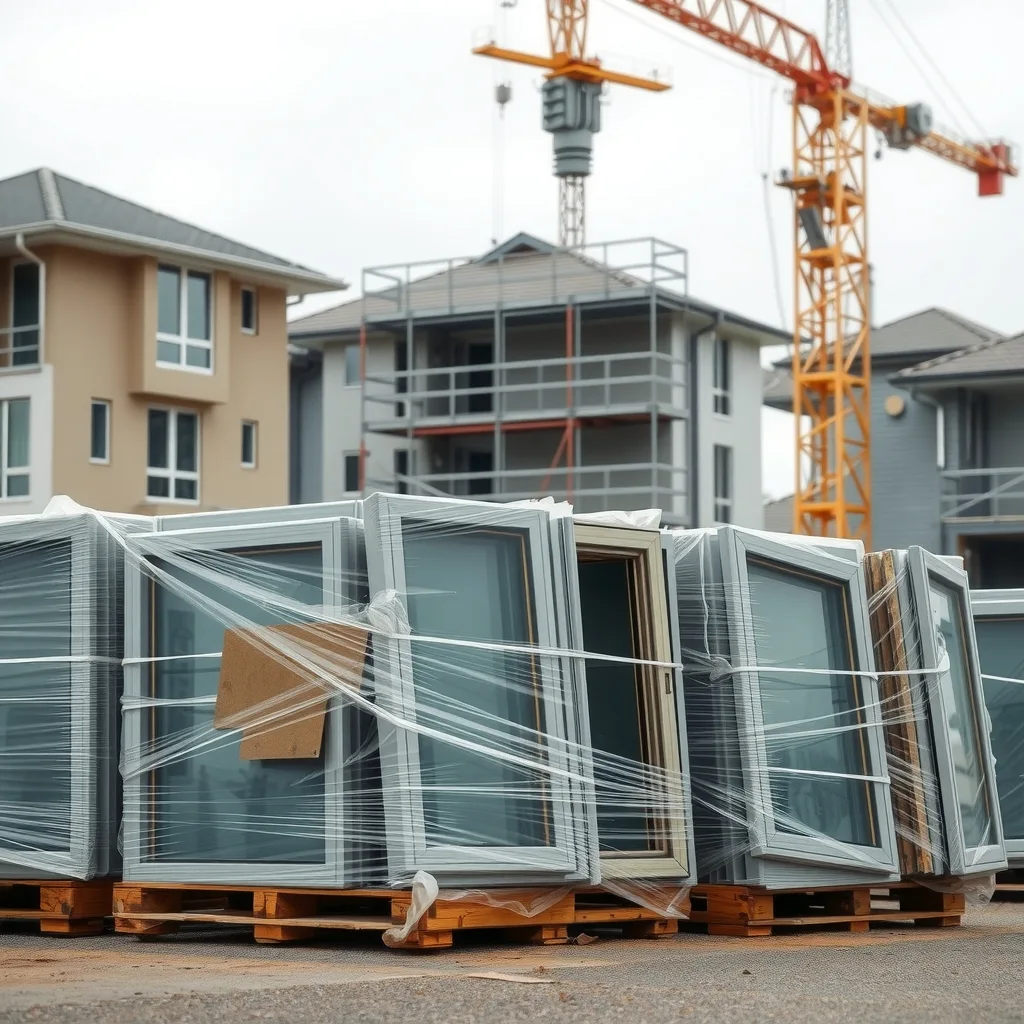

Importers bringing Chinese aluminium windows and doors into Australia must lodge financial guarantees worth between 5.3 per cent and 73.3 per cent of the value of their products from today, after the Australian Trade Remedies Commission found in a preliminary report that the goods were dumped here and had “caused material injury” to local manufacturers. The commission has proposed recommending Industry and Innovation Minister Tim Ayres publish a dumping duty notice, with a final recommendation due by 16 December.
The findings were reported by the ABC, which obtained the preliminary report from the commission, formerly the Anti-Dumping Commission. Every Chinese exporter examined except one was found to have dumped product into Australia between 1 July 2024 and 30 June last year.
The numbers behind the finding
The commission put the Australian aluminium windows and doors market at about $2.8 billion during the investigation period, with Chinese imports taking 19 per cent of total sales, local product about 79 per cent and the remaining 2 per cent from other countries.
Dumping margins ranged from 5.3 per cent to 70.4 per cent of normal price, depending on the exporter. Some exporters were also found to have received modest subsidies from various levels of government in China.
The undercutting shows up hardest in the tender pile. Of the tenders and quotes the commission examined, half came in about 30 per cent below expected prices, and more than a quarter were undercut by 40 per cent or more.
Local manufacturers’ sales volumes fell about 19 per cent between July 2021 and June 2025, the report found, with the value of those sales down about 14 per cent from a peak in the 2023 financial year. The commission estimated the Australian industry had lost around $350 million to “dumped and/or subsidised imports from China”.
Chinese-made aluminium windows and doors currently face no tariffs under the China-Australia Free Trade Agreement.
”Protect competition from unfair trading”
The investigation kicked off on 25 November after an application by Ventora Group and the Australian Glass and Window Association, which alleged the local industry had “suffered material injury” through lost sales and price suppression.
AGWA chief executive Clinton Skeoch drew a line between protection and fair play.
“We’re not asking government to protect Australian businesses from competition,” Skeoch told the ABC.
“We’re asking government to protect competition from unfair trading.”
AGWA welcomed the securities, calling them “an important and positive development” for an industry it says has been under heavy pressure from dumped imports.
Ventora commissioned testing on imported Chinese windows and AGWA made the results public. The commission said it did not consider those testing results, or other allegations about product quality or compliance, in its preliminary findings. The ABC reported it has approached China’s Ministry of Commerce and the Chinese embassy for comment.
Builders warn the bill lands on housing
Master Builders Australia acting chief executive Melissa Byrne said the group would “carefully review the commission’s findings”.
“At the same time, any measure that increases the cost of construction comes at a time when housing affordability and project feasibility remain under significant pressure,” Byrne said.
She said Australia “must not restrict the flow of high-quality, compliant building products and materials”.
UNSW international economic law professor Zhou Weihuan said duties were likely to end up being imposed, because it was “hard to change” the findings in a preliminary report. He said the securities alone could “effectively lead to price increases” because importers would build them into their pricing.
“The price impact would involve an increase in imported aluminium windows and doors, which in turn would push up construction costs for commercial and residential premises,” Professor Zhou said.
On retaliation, Zhou was relaxed but not dismissive. China has historically taken far fewer anti-dumping and countervailing actions against Australia than the other way around, he said.
“But it’s not impossible, and if China decides to take action, then agricultural exports might be the target,” he said.
What it means on the tools
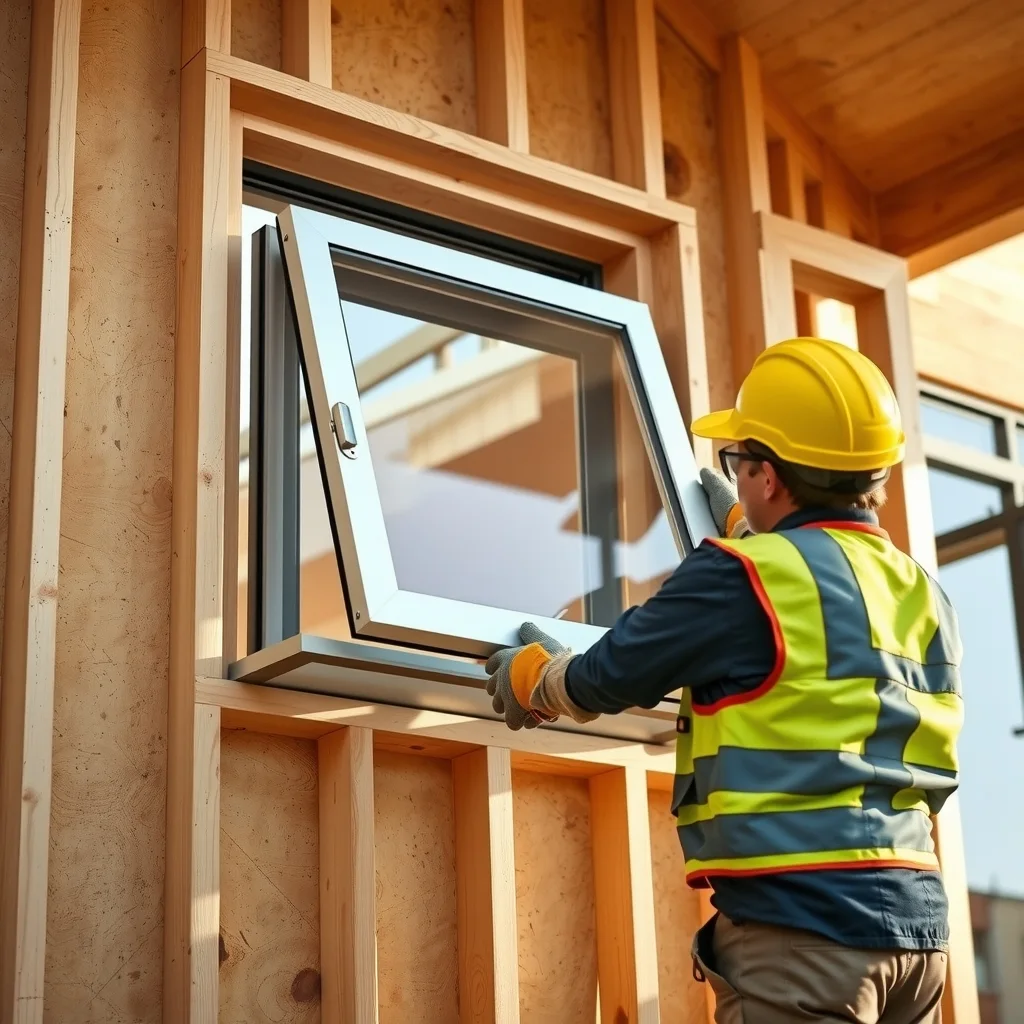
Windows and doors are a long-lead, locked-in item. On a multi-residential job the glazing package is ordered off shop drawings months before the frames go up, and the install sequence, flashings, reveals, then the internal linings and fitout, keys off a delivery date the builder picked when the price was signed.
That’s where this bites. A security lodged at the border is a guarantee against duties that may become payable later, not a duty itself, and the final call sits with the minister. But the money has to be found now, and Professor Zhou’s point is that importers will price it in rather than wear it.
If you’ve quoted a fixed price on a job with an imported window package and the order hasn’t been placed, the gap between your quote and the landed cost is yours to argue about. Builders and installers holding variations clauses for material cost movements will want to read them again this week. Anyone about to issue a purchase order is better off confirming whether the supplier’s price is a landed price or a price before securities.
For local fabricators, the other side of the ledger is the tender sheet. If the quotes that have been sitting 30 or 40 per cent under expected prices start moving back toward them, the window and door shops that have been losing work on price have a shot at it again, and the apprentices and second-shift capacity follow from there.
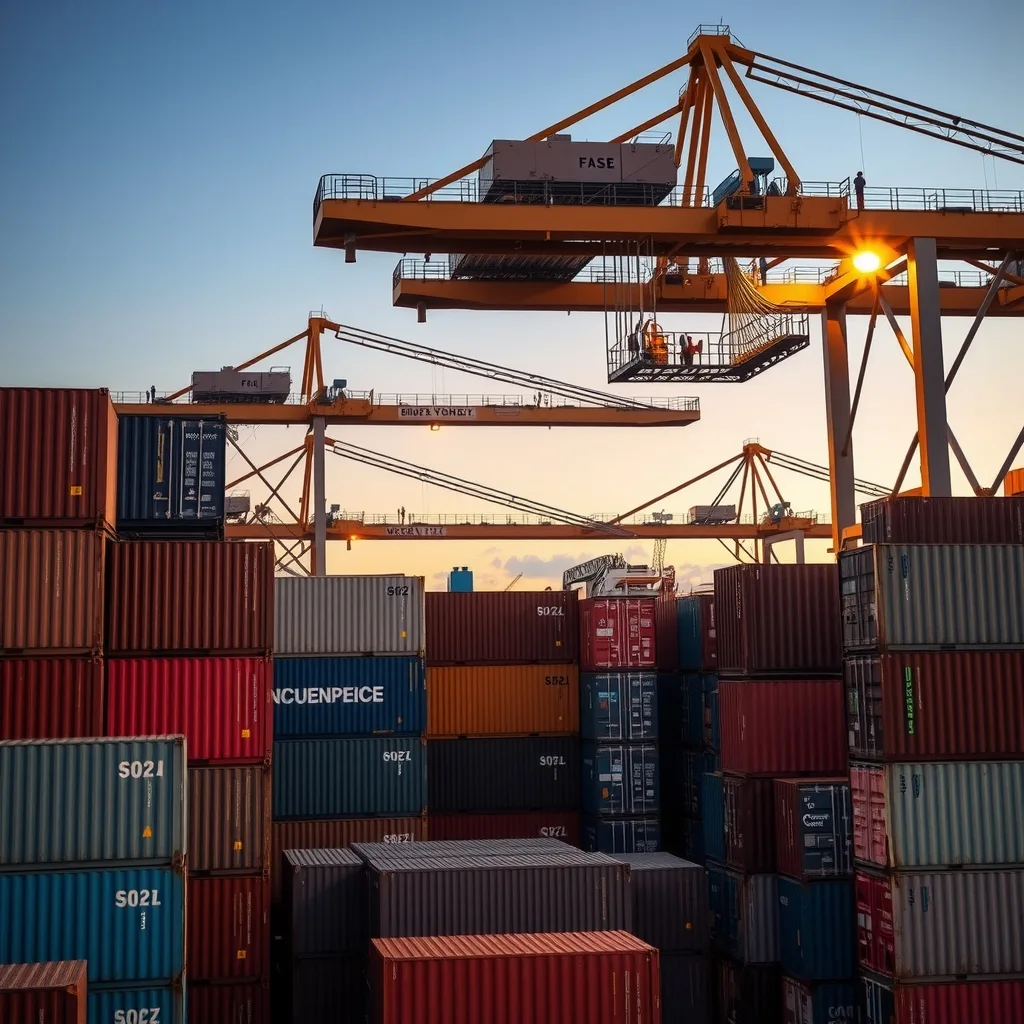
The commission’s final recommendations are due no later than 16 December, with the minister’s decision expected within 30 days of receiving them. The final report gets published after that call is made. Until then, every window order crossing the wharf carries a guarantee attached to it, and whoever signed the contract wears the difference.
Frequently asked questions
What are the new guarantees on Chinese aluminium window imports?
From today, importers of Chinese aluminium windows and doors must lodge financial guarantees of between 5.3 and 73.3 per cent of the value of their products, pending a final dumping duty decision.
When will the government make a final decision?
The Australian Trade Remedies Commission’s final recommendation is due by 16 December, and the minister is expected to decide within 30 days of receiving it.
Will this push up construction costs?
UNSW professor Zhou Weihuan says importers are likely to pass the cost of the guarantees on through pricing, which would raise costs for commercial and residential construction using imported window and door packages.
Why did the commission investigate Chinese aluminium windows?
The investigation followed an application by Ventora Group and the Australian Glass and Window Association, which alleged dumped Chinese imports had caused material injury to the local industry through lost sales and price suppression.
Sourced from ABC News. Original article.