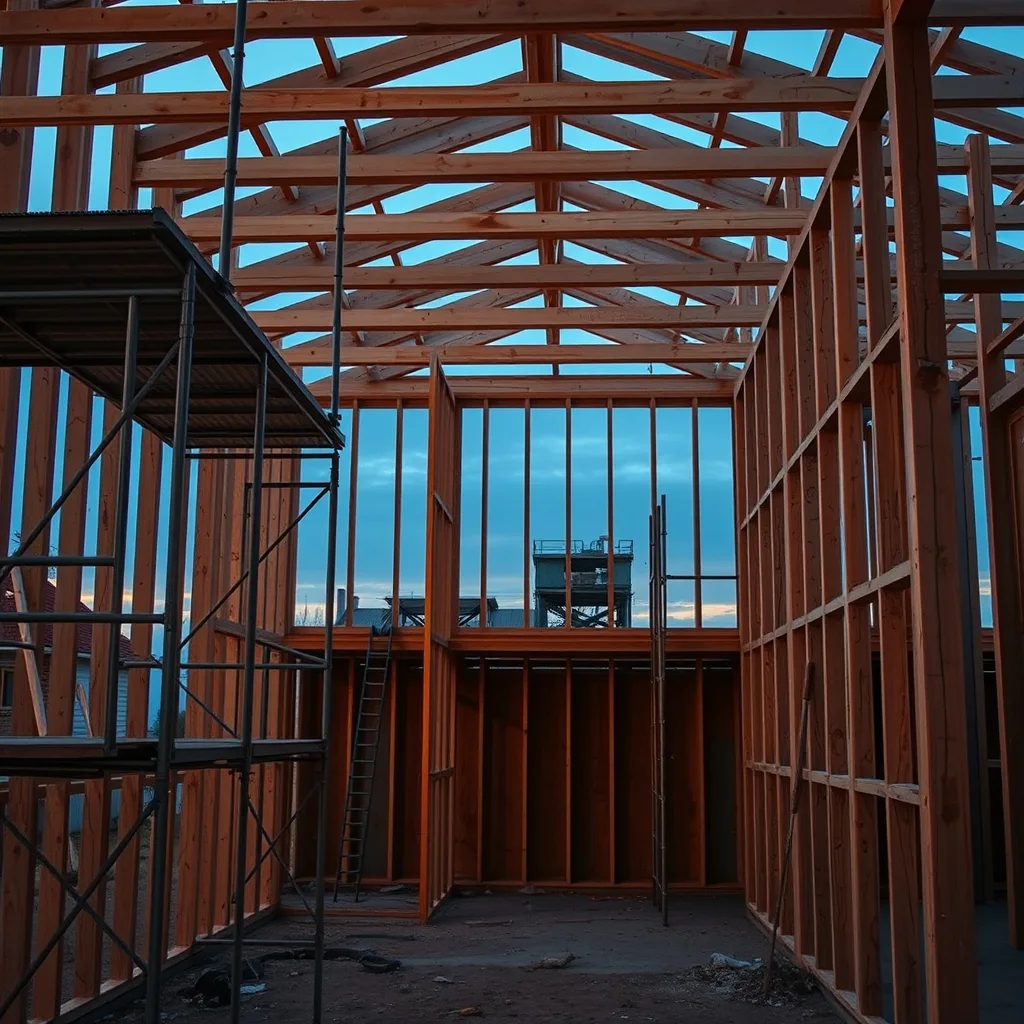

Australia’s new home construction has dropped sharply, putting the federal government’s target of 1.2 million new homes by 2029 in serious doubt, according to The West Australian.
Australian Bureau of Statistics data on dwelling approvals and commencements has been tracking well below the pace needed to hit the national target, with high construction costs, labour shortages, and rising material prices all squeezing new project starts.
For tradies on the tools, fewer new builds means fewer site hours. Carpenters, concreters, plumbers, electricians, and plasterers all depend on the detached and medium-density pipeline. When that pipeline thins out, contractors feel it first, before subcontractors and suppliers follow.
The target was set under the National Housing Accord, agreed between the federal government and states and territories in 2022. Hitting it requires completing roughly 240,000 dwellings a year, a pace Australia has not reached in recent years. The Housing Industry Association and Master Builders Australia have both flagged that the industry cannot close the gap without resolving planning, cost, and workforce constraints that are slowing starts.
For tradies looking at their forward work schedule, the next 12 to 18 months will be the clearest test of whether the housing pipeline recovers or continues to shrink. State government build-to-rent and social housing programs may pick up some of the slack, but private construction will need to follow if the sector is to find its footing.
Frequently asked questions
What is Australia’s national housing target?
The National Housing Accord, agreed between the federal government and states and territories in 2022, set a target of 1.2 million new homes by 2029, requiring roughly 240,000 dwellings to be completed each year.
Why is Australia falling short of its housing construction target?
High construction costs, labour shortages, rising material prices, and planning constraints have all slowed new project starts, keeping dwelling commencements well below the pace needed to meet the 2029 target.
How does the construction slowdown affect tradies?
Fewer new builds means fewer site hours for carpenters, concreters, plumbers, electricians, and plasterers. Contractors typically feel the squeeze first, followed by subcontractors and suppliers.
What could help close the housing gap?
The Housing Industry Association and Master Builders Australia say resolving planning, cost, and workforce constraints is essential. State government build-to-rent and social housing programs may offer some relief, but private construction growth is needed for a full recovery.
Sourced from The West Australian. Original article.