
A federal inquiry has been told the Fair Work Act should be rewritten so any employer who wants to watch staff through cameras, card swipes, keystroke logs or workplace chat has to show the monitoring is fair and reasonable before it goes in. The call comes from the Human Technology Institute at the University of Technology Sydney, which released its report on Tuesday and presents its findings to the joint standing committee on artificial intelligence the same day.
The report was given to Guardian Australia ahead of release. It found monitoring tools are now common across factories, office work, delivery driving and retail, and that plenty of workers have no idea they’re being tracked.
A warning letter over one mistake in 533 scans
The examples in the report are the part worth reading twice.
The Shop, Distributive and Allied Employees Association told the parliamentary AI inquiry that a cashier at one big supermarket received a final written warning because an AI monitoring system flagged her for making too many errors. Her error rate was 0.18%, or about one mistake per 533 items scanned.
Researchers were also told that at one large fast-food chain, young employees believed their employer had put cameras in the change rooms to stop staff using their phones on shift. The result, according to the report, was that the young workers stopped using the change rooms.
Microsoft Teams gets a mention too. The report flags it as a common surveillance platform, noting the company rolled out a tool earlier this year that automatically updates a worker’s location to show they’re in the office once they connect to the workplace wifi.
Most workers don’t know it’s happening
A March 2026 poll commissioned by Minderoo found 43% of Australians were aware some employers use technology including AI to monitor workers, but only 9% were aware monitoring was being used in their own workplace.
That gap is the institute’s central argument. Human Technology Institute co-director Prof Edward Santow said transparency over workplace surveillance was “necessary but far from sufficient”, and wants the Fair Work Act overhauled to include a test for whether bringing monitoring in is appropriate in the first place.
“Make really clear that if you are going to be … monitoring [workers], it has to be fair and reasonable,” he said.
The report also asks that the minister be given power to proscribe surveillance products that pose an unacceptable risk to workers’ rights, pointing to federal concern about smart glasses.
“Such concern is likely to be particularly strong in a workplace context, as smart glasses could be used to covertly surveil workers,” the report stated.
Committee member and Labor senator Tony Sheldon said in a statement that workplace surveillance was becoming increasingly common and was a serious concern for employees.
“This report raises critical concerns about the impact of workplace surveillance on the privacy, health and dignity of working Australians, particularly when many employees don’t even know they’re being monitored,” he said.
Why the fight has landed at Fair Work and not the Privacy Act
Here’s the bit that matters if you run a crew rather than a call centre.
The institute says two carve-outs in the Privacy Act are why workplace surveillance has been able to spread the way it has: the exemption covering employee records, and the small business exemption. Between them, a big slice of Australian employers sit outside the privacy regime that covers how they watch their own staff.
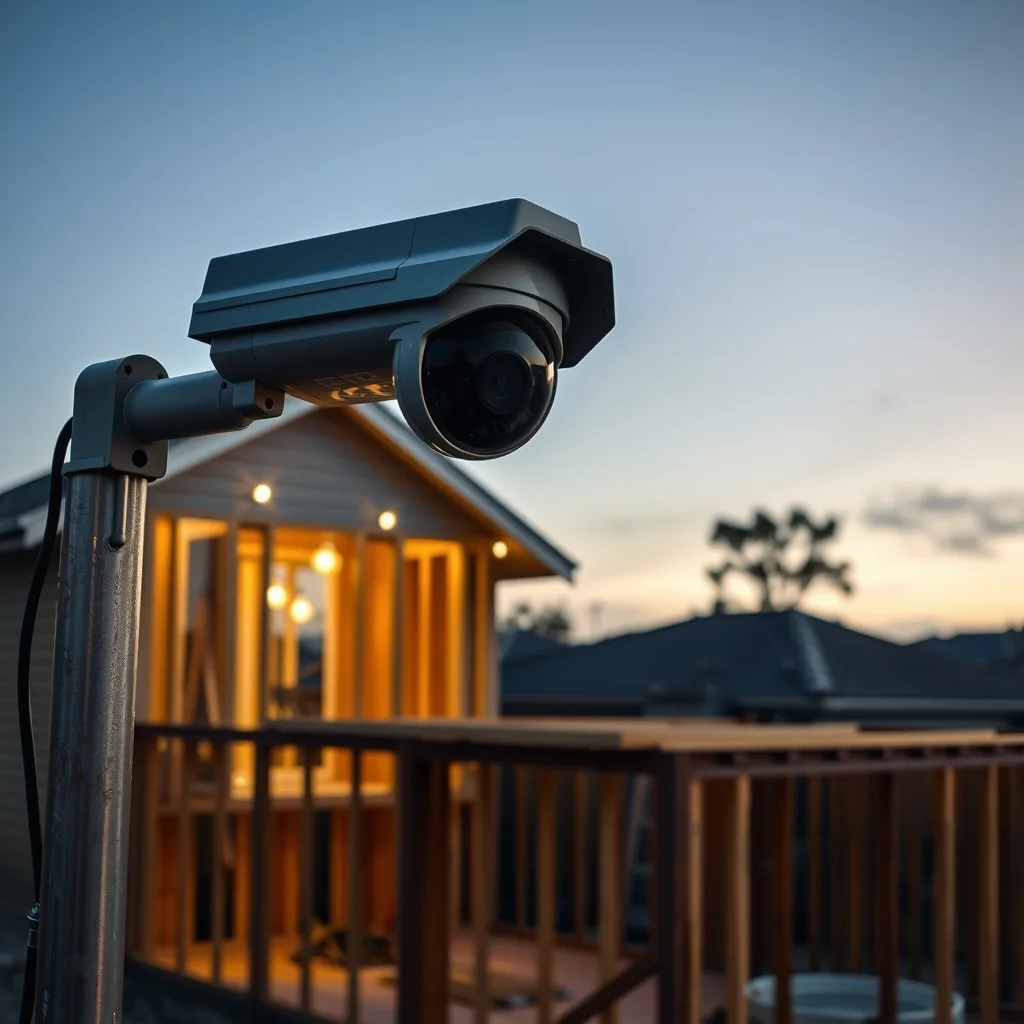
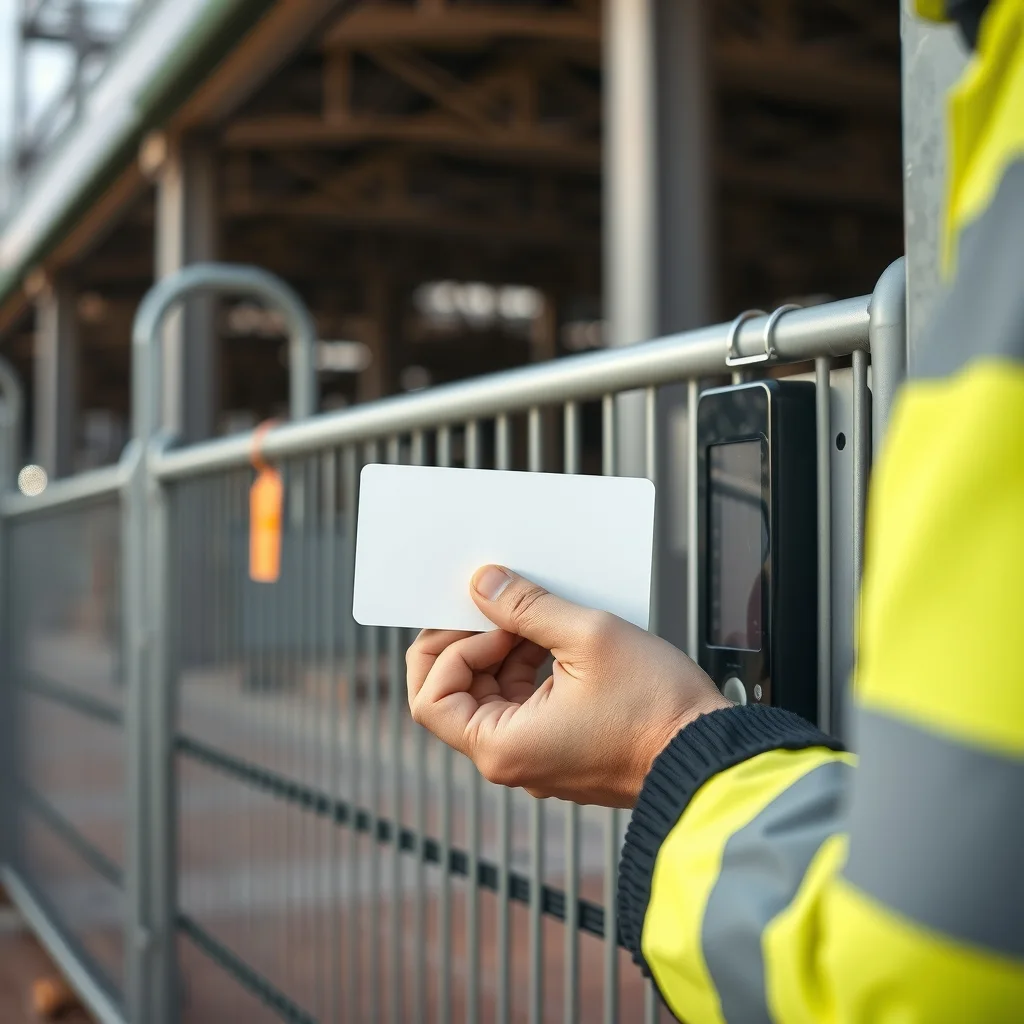
Most trade businesses are small businesses. Site cameras, gate card readers, chat apps and the logs that come with company phones and laptops are ordinary kit on plenty of jobs, and they produce a record of who was where and when without anyone setting out to build a surveillance system.

That’s why the report goes after employment law instead. Rather than trying to patch the privacy exemptions, it wants the obligation written into the Fair Work Act, which already covers the employment relationship end to end.
What would actually change for an employer
If the recommendations were picked up, the report says employers would have to engage with their employees about the surveillance they intend to use, and the quality of the consent obtained from staff would have to improve. A tick box buried in an induction pack wouldn’t cut it.
Workers would also get a dedicated complaints scheme, letting them take a privacy complaint to the Fair Work Commission the way they’d raise other workplace disputes.
None of that is law yet. It’s a recommendation to a committee, and committees take their time.
The immediate thing to watch is this week’s hearings, with the committee focused on AI in the workplace. Several unions are due to appear, along with eSafety commissioner Julie Inman Grant, the CSIRO, the Australian Securities and Investments Commission, the Australian Medical Association and Atlassian. Hearing programs for the joint standing committee are published through Parliament of Australia.
Until something moves, the carve-outs stand. If you’re the one installing the cameras, telling your crew what’s recorded and what it gets used for is still the cheapest way to keep a monitoring system from turning into a dispute.
Frequently asked questions
Is it illegal for employers to monitor staff in Australia?
No. The report found two Privacy Act exemptions, one for employee records and one for small businesses, mean many employers already sit outside the privacy regime that covers how they watch their own staff. None of the report’s recommendations have been made law.
What is the Human Technology Institute asking the government to do?
It wants the Fair Work Act changed so any employer using cameras, card swipes, keystroke logs or workplace chat monitoring has to first show the monitoring is fair and reasonable, plus a dedicated Fair Work Commission scheme for workers to lodge privacy complaints.
How many Australians know they’re being monitored at work?
A March 2026 Minderoo-commissioned poll found 43% of Australians knew some employers use monitoring technology, but only 9% were aware it was happening in their own workplace.
Sourced from Guardian Australia, Human Technology Institute (UTS). Original article.