
Seven in ten Australian tradies say they deal with work-related pain or discomfort every week, and more than half aren’t confident they can keep working in their trade until retirement age, according to the Tradies National Health Survey run by the Australian Physiotherapy Association and work boot maker Steel Blue. More than 4,800 tradies answered it, making it the largest survey of its kind in the country.
The findings were reported by Inside Construction in October 2026, alongside a second number that should stop a few site managers mid-coffee: more than 70 per cent of respondents said they’d experienced burnout at least occasionally over the past 12 months.
Pain is the baseline, not the exception
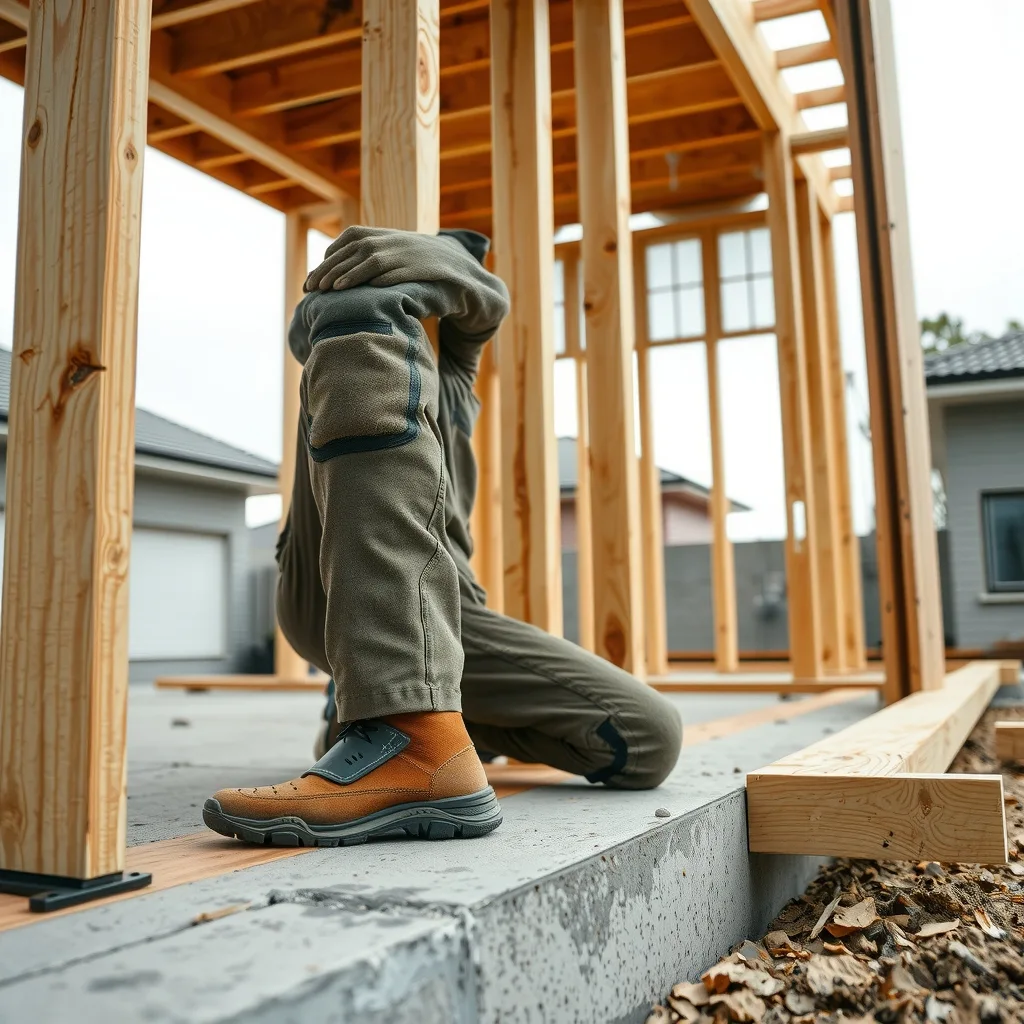
The survey put the physical toll down to repetitive tasks, long hours and intensive work. Anyone who’s spent a week drilling overhead into a concrete soffit, or kneeling on a slab setting out, already knows how that arrives: not as one bad injury, but as a shoulder that doesn’t come good over the weekend and a lower back that argues every time you lift the second sheet.
Seventy per cent reporting pain every week means it has stopped being treated as an injury at all. It’s just part of the job description, absorbed by the worker, invisible to the program.
That matters commercially as well as personally. A bloke working through a crook shoulder slows down, drops his quality, and takes longer on the fiddly parts of a fitout. None of that shows up on an incident report.
Burnout isn’t just a big week
Beyond Blue clinical psychologist Dr Luke Martin says burnout is a different animal to being tired after a flat-out fortnight.
“Burnout can develop when ongoing workplace demands consistently outweigh the support and resources people need to maintain their wellbeing,” Martin said.
He points straight at the conditions most Australian sites are running under right now.
“Long hours, demanding workloads, labour shortages and the pressure to keep projects moving can all contribute to burnout. When the pressures of work build up over time without enough opportunity to rest and recover, the impact can extend well beyond the work site.”
Left alone, Martin says, burnout starts eating into concentration, motivation, relationships and mental health. Concentration is the one that should worry anyone running a crew around live edges, plant movements or energised switchboards.
Martin is also blunt that this isn’t a problem you can hand back to the individual worker.
“While individuals can take steps to support their wellbeing, preventing burnout is also a workplace responsibility,” he said.
“Key to creating a mentally healthy work site is reducing risks to mental health, like excessive demands, and fostering a culture where team members feel safe to speak up and seek support when they need it. It’s also important tradies know support is available and how to access it.”
The retirement number is a workforce number
The stat with the longest tail is the one about retirement. More than half of the tradies surveyed don’t back themselves to still be doing the work when they hit retirement age.
Think about what that means for a small shop. Your most experienced chippy or sparkie, the one who can read a set of drawings and sort out the three problems the designer didn’t see, is quietly planning an exit a decade earlier than the super statements assume. The knowledge walks out with him.
For anyone weighing up whether to take on an apprentice this intake, that’s an argument in favour, not against. If the back half of the workforce is counting down, the training has to start before the gap opens, not after.

It also changes how you scope work. Rotating people off the repetitive, body-punishing tasks, buying the lifter instead of the second set of hands, and building a bit of slack into a program so a short delay doesn’t turn into six straight weeks of Saturdays are all decisions a principal contractor makes long before the first delivery lands.
Where the boots come in
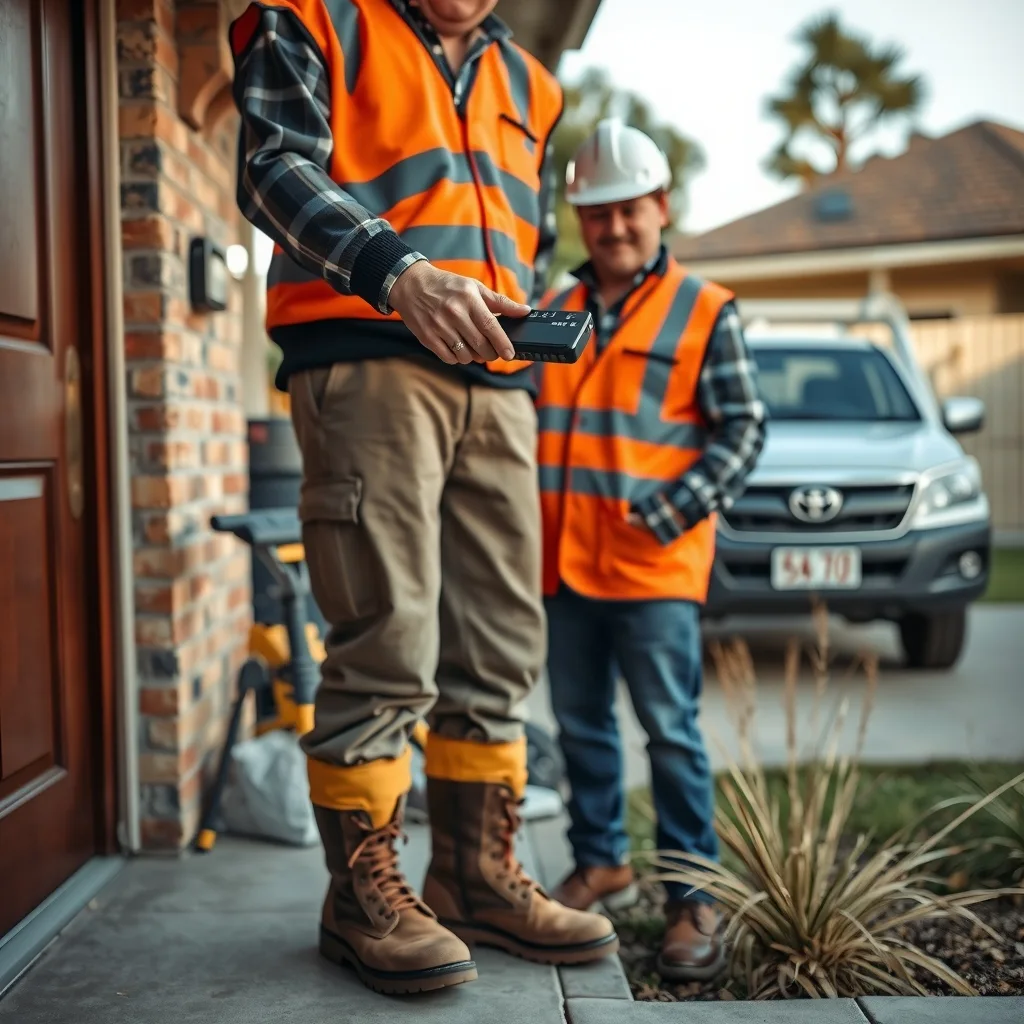
Steel Blue, a supporting partner of Beyond Blue, puts $10 from every pair of its blue boots sold toward Beyond Blue’s 24/7 Support Service. The Empowered Women in Trades team spent August on site in the blue boots, using them to start conversations about mental health that most crews don’t open on their own.
It’s a small lever, and nobody’s pretending a boot colour fixes a 60-hour roster. But a visual cue on a site where nobody talks about this stuff does more work than a poster in the crib room.
The survey’s own numbers are the follow-up worth watching. A single year’s result tells you where things sit; the next one tells you whether anything the industry does about workload, rosters and recovery actually moves the dial.
In the meantime, the practical takeaway for anyone running a crew is the thing Martin named: make it known that help exists and how to get at it. Beyond Blue’s Support Service runs 24/7 at beyondblue.org.au or on 1300 224 636. Employers after guidance on managing psychosocial risk on site can start with Safe Work Australia.
Frequently asked questions
What is the Tradies National Health Survey?
It’s a survey run by the Australian Physiotherapy Association and work boot maker Steel Blue. More than 4,800 tradies answered it, making it the largest survey of its kind in Australia.
How common is burnout among Australian tradies?
More than 70 per cent of survey respondents said they’d experienced burnout at least occasionally over the past 12 months, according to the Tradies National Health Survey.
Where can tradies get support for burnout or mental health?
Beyond Blue’s Support Service runs 24/7 at beyondblue.org.au or on 1300 224 636. Employers can find guidance on managing psychosocial risk at Safe Work Australia.
What can employers do to reduce burnout on site?
Beyond Blue clinical psychologist Dr Luke Martin says it means reducing risks like excessive workplace demands and fostering a culture where workers feel safe to speak up and seek support when they need it.
Sourced from Inside Construction, Beyond Blue, Australian Physiotherapy Association. Original article.