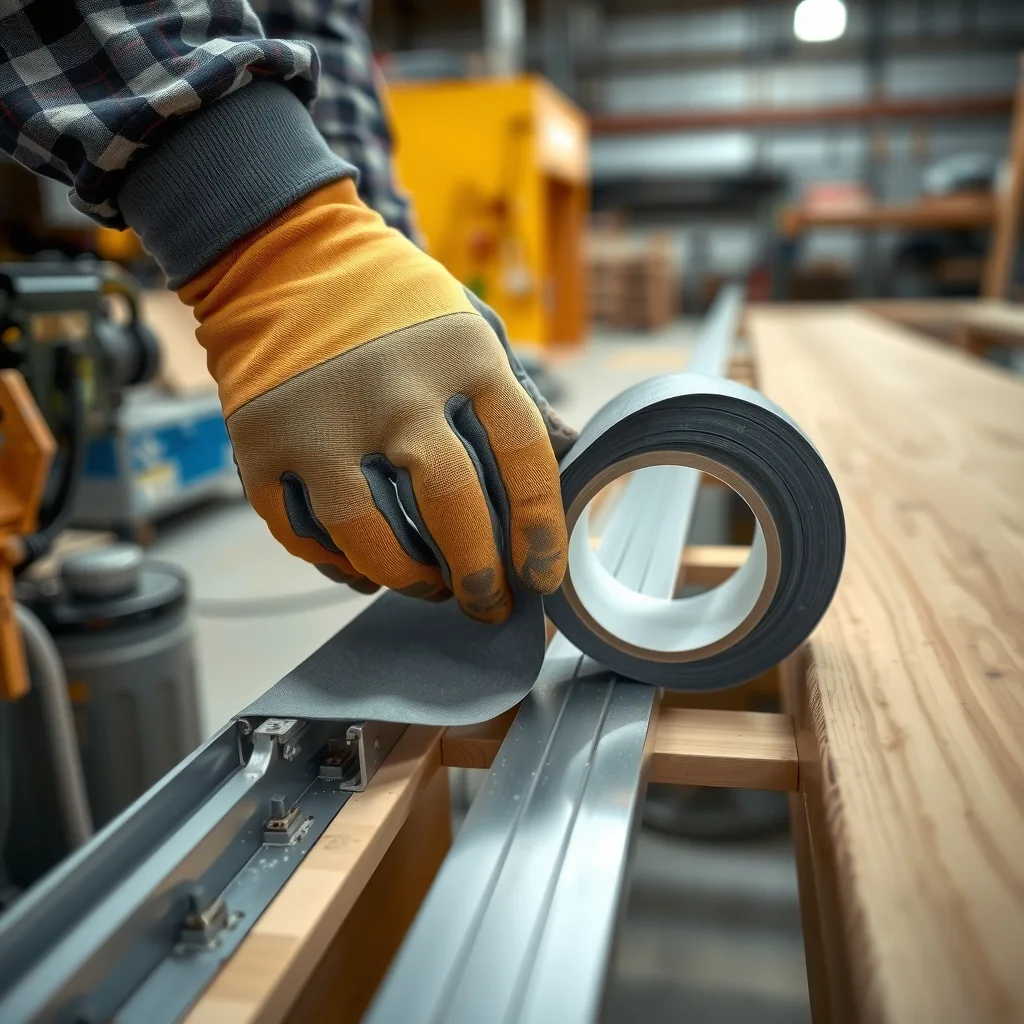

3M has launched a new structural bonding tape line, the VHB Tape Max Series, in four thicknesses running from 0.6mm to 2.3mm, along with a matched adhesion promoter. The company is pitching it at jobs where panels are currently fixed to frames with rivets, welds or screws, across transport, construction and appliance manufacturing.
The launch was announced by 3M and published by Manufacturers’ Monthly on 19 August. It’s the manufacturer’s own product announcement, not an independent test, and every performance claim below is 3M’s.
What 3M says it does
The range uses what 3M describes as a unique acrylic chemistry, which the company says delivers strength and durability for long-term use in demanding conditions. The pitch is a cleaner bonding process than mechanical fasteners and liquid adhesives, aimed at applications where, in 3M’s words, failure is not an option.
“We are excited to introduce the 3M™ VHB™ Tape Max Series to our customers.” said Steve Austin, Application Engineer at 3M.
“This new product line represents a significant advancement in bonding technology, providing our customers with a high-strength and durable solution for their most demanding applications,” Austin said.
Typical uses named in the announcement are bonding panels to frames and attaching stiffeners. There’s also a dedicated product in the range, the Max Promoter, formulated to be used with the tapes rather than as a general-purpose primer.
Four sizes, and what the announcement doesn’t tell you
3M’s VHB Tape Max Series launched in four thicknesses, 0.6mm, 1.1mm, 1.6mm and 2.3mm, plus a matched adhesion promoter, according to the company’s announcement published by Manufacturers’ Monthly on 19 August 2026.
The four codes are Max-060GF, Max-110GF, Max-160GF and Max-230GF.
What isn’t in the announcement is just as worth knowing. There are no published bond-strength figures, no pricing, no local availability date and no independent test data. 3M directs anyone wanting numbers or a sample to 3M Australia.
Where a bonding tape earns its keep on the tools
The reason fabricators and joinery shops keep moving to structural tape isn’t the adhesive by itself. It’s what disappears from the sequence.
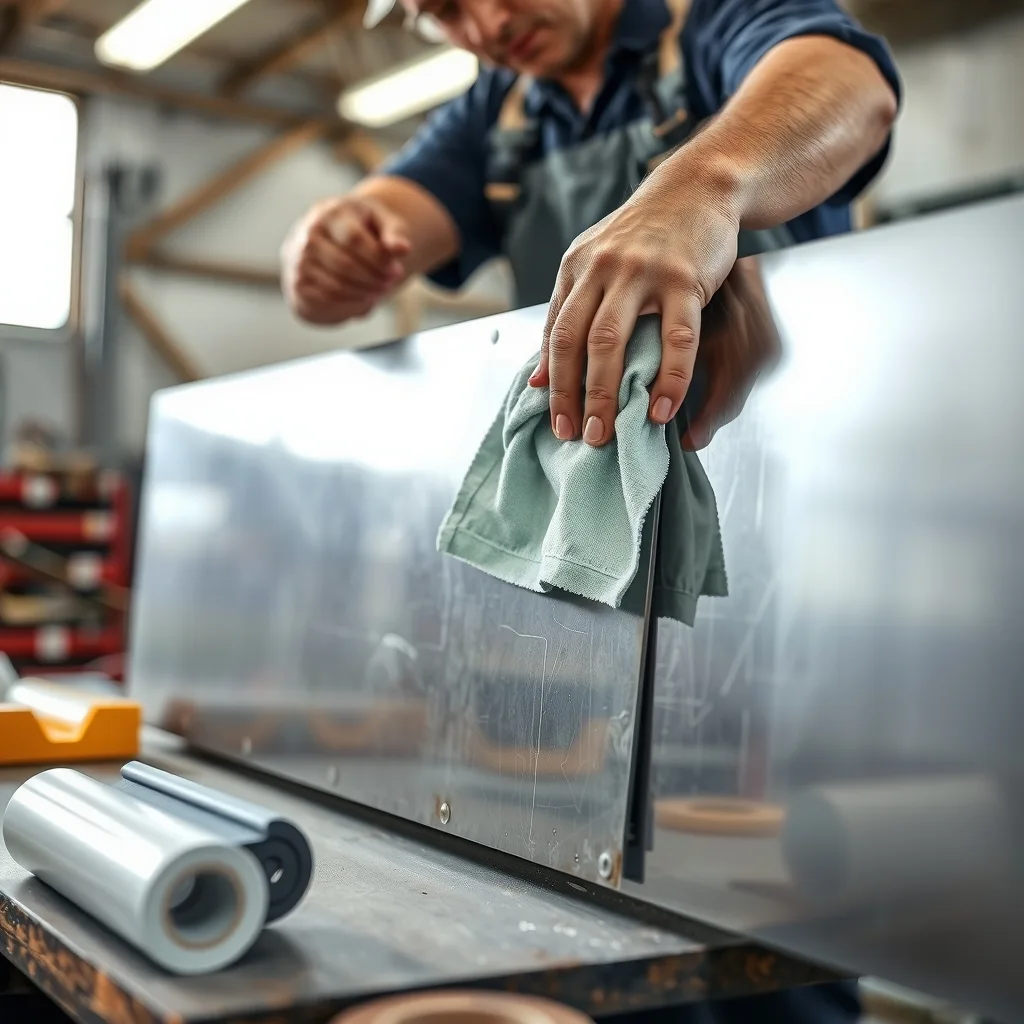
A riveted or screwed panel needs holes drilled or punched, swarf cleaned up, fasteners set, then heads filled, sanded and finished if the face is visible. Weld a panel to a frame and you’re chasing distortion and grind-back on thin gauge. A bonded joint carries the load along the whole glue line instead of at a row of points, and the face comes out unbroken.
What you trade away is surface preparation. Tape does nothing on a contaminated, dusty or oily substrate, which is exactly why there’s a promoter in the range and why the promoter is sold as matched to these tapes rather than interchangeable. Clean, dry, correct primer, correct pressure, correct dwell before load. Get sloppy on any of those and the joint is a guess.
One thing to be clear about: swapping a mechanical fixing for a bonded one on regulated building work isn’t a call to make on site off a product flyer. That’s the specifier’s and the engineer’s decision, worked from the product’s technical data sheet and the job’s specification.
What to watch
For anyone weighing this up, the useful next document is the technical data sheet for each of the four codes, not the launch copy. That’s where the substrate list, the temperature range, the cure time and the actual strength figures live, and those are the numbers a specifier will ask for before signing off a bonded panel.
Until independent local test data turns up, treat it as what it is: a manufacturer telling the market it has a stronger tape, with the proof still to come out of somebody else’s lab.
Frequently asked questions
What is 3M’s VHB Tape Max Series used for?
3M is pitching it for bonding panels to frames and attaching stiffeners in transport, construction and appliance manufacturing, as an alternative to rivets, welds and screws.
Does 3M publish bond-strength figures for the new tape?
No. The launch announcement includes no published bond-strength data, pricing, local availability date or independent test results; those details sit in the technical data sheet for each of the four codes.
Can I swap a mechanical fixing for a bonded joint on regulated building work?
That’s a call for the specifier and engineer, based on the product’s technical data sheet and the job’s specification, not something to decide on site.
How many thicknesses does the VHB Tape Max Series come in?
Four: 0.6mm, 1.1mm, 1.6mm and 2.3mm, under the codes Max-060GF, Max-110GF, Max-160GF and Max-230GF.
Sourced from Manufacturers’ Monthly, 3M. Original article.